
 EN
EN
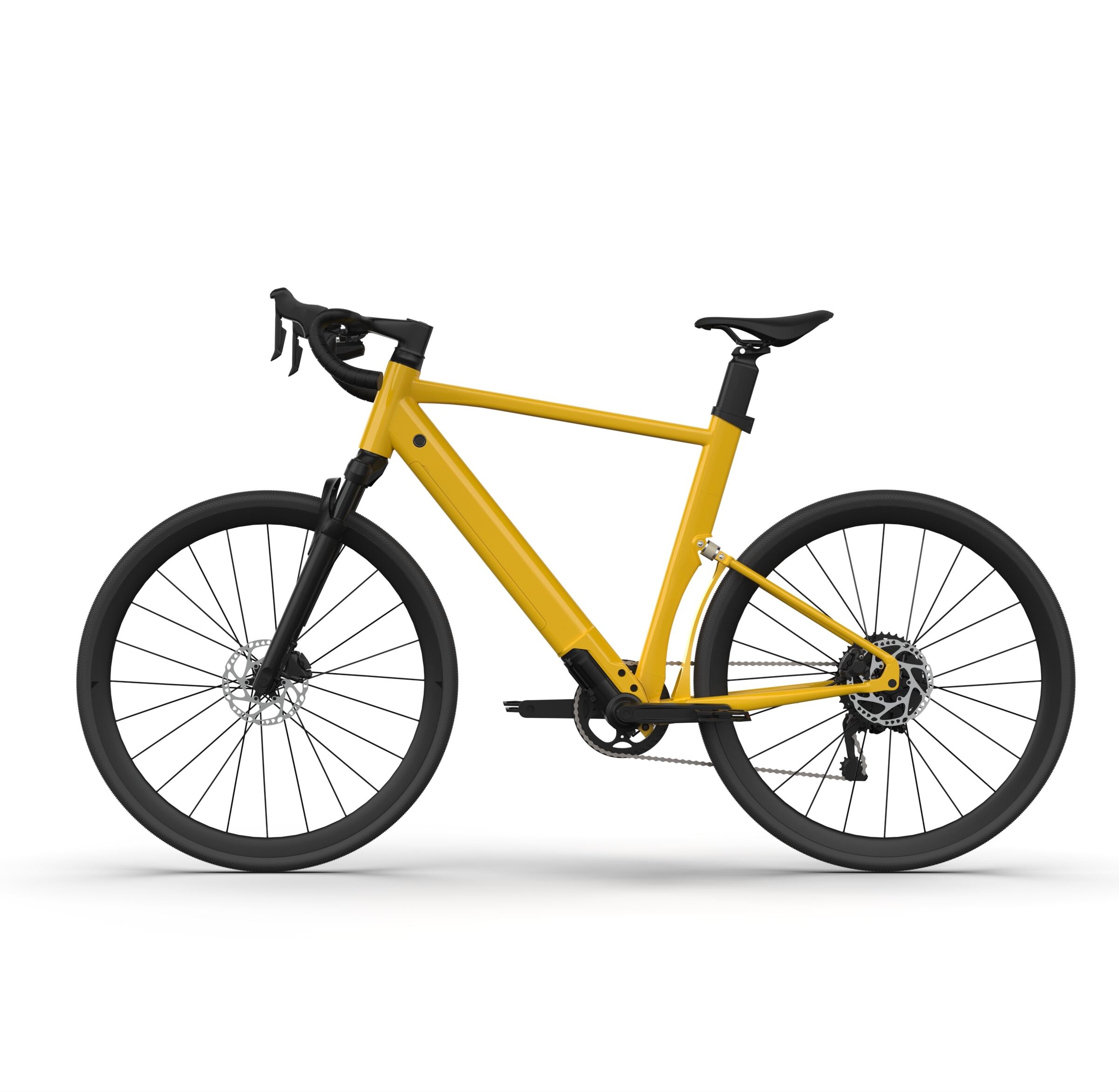
Urban transportation has undergone a remarkable transformation in recent years, with more commuters seeking sustainable and efficient alternatives to traditional vehicles. The rise of the city electric bike represents a significant shift in how people navigate crowded metropolitan areas. This innovative transportation solution combines the environmental benefits of cycling with the convenience of electric assistance, making it an increasingly popular choice among urban professionals, students, and recreational riders alike.
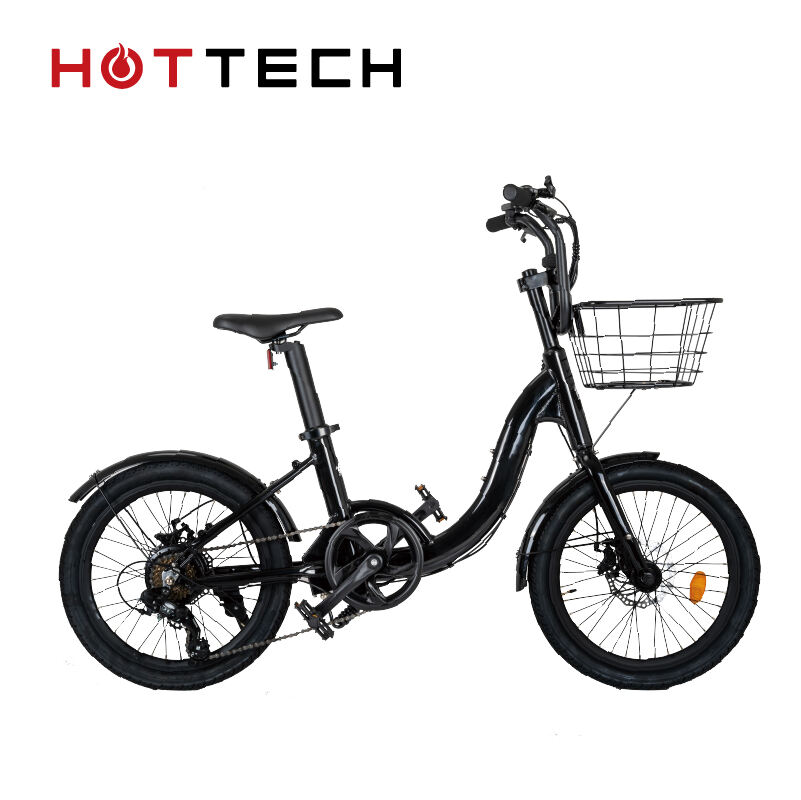
The preference for electric-powered cycling over conventional bicycles stems from multiple practical considerations that directly address modern urban challenges. Traffic congestion, limited parking spaces, and the physical demands of traditional cycling in hilly terrain have created a perfect market environment for electric bike adoption. Cities worldwide are witnessing this transportation revolution as residents discover the numerous advantages that electric assistance provides for daily commuting and leisure activities.
Enhanced Mobility and Reduced Physical Strain
Effortless Navigation Through Challenging Terrain
One of the most compelling advantages of a city electric bike is its ability to tackle steep inclines and challenging urban topography with minimal physical exertion. Traditional bicycles require significant leg strength and cardiovascular endurance to climb hills, often leaving riders exhausted and sweaty upon arrival at their destination. Electric assistance eliminates this barrier, allowing riders of varying fitness levels to navigate their city confidently.
The electric motor provides consistent power support, automatically adjusting to the rider's pedaling effort and terrain demands. This feature proves particularly valuable for commuters who need to arrive at work or appointments looking professional and comfortable. The technology enables riders to maintain a steady pace regardless of wind conditions or gradient changes, making the city electric bike an incredibly reliable transportation option.
Extended Range and Reduced Fatigue
Electric assistance significantly extends the practical range of bicycle commuting, enabling riders to cover greater distances without experiencing the fatigue associated with traditional cycling. Most urban commuters can comfortably travel 15-30 miles on a single charge, depending on the battery capacity and assistance level selected. This extended range opens up new possibilities for residential location choices and daily travel patterns.
The reduced physical strain also means that riders can use their city electric bike for multiple trips throughout the day without accumulating excessive fatigue. This versatility makes electric bikes suitable for running errands, commuting to work, and recreational rides all within the same day. The consistent performance regardless of the rider's energy levels throughout the day represents a significant improvement over traditional cycling.
Time Efficiency and Traffic Navigation
Faster Average Speeds in Urban Environments
Urban electric bikes typically maintain higher average speeds than traditional bicycles, particularly in stop-and-go traffic conditions common in city environments. The electric assistance allows riders to accelerate quickly from traffic lights and intersections, keeping pace with vehicle traffic flow. This improved acceleration and sustained speed capability makes the city electric bike a genuinely competitive transportation option compared to cars and public transit.
The ability to maintain consistent speeds of 15-20 mph means that electric bike commuters often experience shorter travel times than those using traditional bicycles, especially over longer distances or in areas with frequent stops. The electric motor ensures that riders can sustain optimal speeds without the energy depletion that would typically occur with conventional pedaling, resulting in more predictable and efficient travel times.
Flexible Route Options and Lane Access
City electric bikes provide access to bicycle lanes, bike paths, and multi-use trails that are often unavailable to motor vehicles. This infrastructure advantage allows electric bike riders to bypass traffic congestion and take more direct routes to their destinations. The combination of bike lane access and electric assistance creates significant time savings compared to driving in congested urban areas.
The versatility of route selection also enables riders to choose safer, more scenic paths that might be impractical with traditional bicycles due to distance or terrain challenges. Electric assistance makes previously difficult routes accessible, expanding the practical cycling network available to urban commuters. This flexibility contributes to a more enjoyable and efficient transportation experience that adapts to individual preferences and daily schedules.
Environmental Impact and Sustainability
Reduced Carbon Footprint Compared to Motor Vehicles
The environmental benefits of choosing a city electric bike over traditional motor vehicles are substantial and measurable. Electric bikes produce zero direct emissions during operation and require significantly less energy per mile than electric cars or conventional vehicles. The environmental impact of battery production and electricity consumption remains minimal compared to the lifetime emissions of personal automobiles.
Studies consistently demonstrate that electric bike adoption contributes to improved urban air quality and reduced greenhouse gas emissions. A single city electric bike can replace numerous car trips throughout its operational lifetime, multiplying the environmental benefits. The technology represents a practical solution for individuals seeking to reduce their environmental impact without sacrificing mobility or convenience.
Energy Efficiency and Resource Conservation
Electric bikes demonstrate remarkable energy efficiency, typically consuming the equivalent of 100-150 watts of electricity to travel one mile. This energy consumption rate is dramatically lower than any motor vehicle alternative, including electric cars. The efficient use of electrical energy means that even when powered by grid electricity from mixed sources, electric bikes maintain a significantly smaller environmental footprint.
The manufacturing resource requirements for electric bikes are also considerably lower than those for automobiles, requiring fewer raw materials and producing less industrial waste. The longer operational lifetime and lower maintenance requirements of quality electric bikes further enhance their sustainability profile. This resource efficiency makes the city electric bike an environmentally responsible choice that aligns with broader sustainability goals.
Economic Advantages and Cost Savings
Lower Operating Costs Compared to Vehicle Ownership
The total cost of ownership for a city electric bike is substantially lower than traditional vehicle ownership when considering fuel, insurance, maintenance, and parking expenses. Electric bikes require minimal ongoing costs beyond occasional tire replacement and basic maintenance. The electricity cost for charging represents only a few dollars per month for typical urban commuting patterns.
Insurance costs for electric bikes are minimal or nonexistent in most jurisdictions, contrasting sharply with the significant annual insurance expenses associated with motor vehicles. Parking costs, which can amount to hundreds or thousands of dollars annually in urban areas, are typically eliminated with electric bike commuting. These cumulative savings make the city electric bike an economically attractive transportation solution for budget-conscious urban residents.
Reduced Public Transportation Dependency
Electric bike ownership reduces reliance on public transportation systems, providing independence from fare increases, schedule changes, and service disruptions. The reliability and flexibility of personal transportation eliminate the uncertainty and additional costs associated with alternative transportation methods when public transit fails. This independence proves particularly valuable during peak hours when public transportation becomes crowded and uncomfortable.
The ability to combine electric bike travel with public transportation when necessary provides optimal flexibility for urban mobility. Riders can use their city electric bike for most trips while maintaining access to public transportation for longer distances or adverse weather conditions. This hybrid approach maximizes convenience while minimizing overall transportation costs.
Health Benefits and Physical Activity
Encouraging Regular Exercise Through Assisted Cycling
Despite providing electric assistance, city electric bikes still require pedaling and physical engagement, promoting regular cardiovascular exercise and muscle activity. The adjustable assistance levels allow riders to control their exertion level, gradually increasing physical activity as fitness improves. This gentle introduction to regular cycling often leads to improved health outcomes for previously sedentary individuals.
Research indicates that electric bike users typically engage in more frequent and longer-duration physical activity compared to traditional cyclists due to reduced barriers to participation. The assisted cycling experience removes intimidation factors that might prevent people from choosing cycling as regular transportation. This accessibility feature makes the city electric bike an effective tool for promoting public health and active transportation habits.
Mental Health and Stress Reduction Benefits
Regular cycling, even with electric assistance, provides significant mental health benefits through outdoor exposure, physical activity, and stress reduction. The ability to travel through urban areas without the frustrations of traffic congestion or crowded public transportation contributes to improved daily mood and reduced commuting stress. The quiet operation and smooth ride quality of modern electric bikes enhance the therapeutic aspects of urban cycling.
The sense of independence and control provided by personal transportation positively impacts psychological well-being. Electric bike commuters often report higher job satisfaction and improved work-life balance due to more pleasant and predictable commuting experiences. The combination of physical activity, outdoor exposure, and transportation efficiency creates a comprehensive wellness benefit that extends beyond simple mobility.
Technology Integration and Modern Features
Smart Connectivity and Navigation Systems
Modern city electric bikes often incorporate advanced technology features that enhance the urban riding experience. Integrated GPS navigation, smartphone connectivity, and trip tracking capabilities provide valuable information about routes, distances, and performance metrics. These technological additions make electric bikes more appealing to tech-savvy urban professionals who value data and connectivity.
The integration of anti-theft systems, remote monitoring, and mobile app controls adds security and convenience features that traditional bicycles cannot match. Battery management systems provide real-time information about remaining range and charging requirements, eliminating range anxiety that might otherwise limit trip planning. These smart features position the city electric bike as a sophisticated transportation solution rather than simply a motorized bicycle.
Safety Enhancements and Visibility Features
Electric bikes frequently include enhanced lighting systems, reflective elements, and visibility features that improve safety during urban riding. The consistent speeds and predictable acceleration patterns of electric bikes also contribute to safer interaction with vehicle traffic. Many models incorporate horn systems, turn signals, and other safety features that bridge the gap between bicycle and motor vehicle functionality.
The stability and control provided by electric assistance help riders navigate challenging urban conditions more safely than traditional bicycles. The ability to accelerate away from potential hazards and maintain safe speeds in various traffic conditions enhances overall rider safety. These safety improvements make the city electric bike a more secure transportation choice for riders of all experience levels.
Practical Considerations for Urban Living
Storage and Maintenance Requirements
City electric bikes are designed with urban living constraints in mind, often featuring compact designs and folding capabilities that facilitate apartment storage. The maintenance requirements remain minimal compared to motor vehicles, typically requiring only basic bicycle maintenance plus occasional battery care. The durability of modern electric bike components means that properly maintained units can provide years of reliable service with minimal intervention.
Charging infrastructure for electric bikes is far simpler than for electric vehicles, requiring only access to standard electrical outlets. Most urban residents can easily charge their city electric bike overnight using existing electrical infrastructure. The portability of many electric bike batteries allows for convenient indoor charging even when secure bike storage is not available.
Weather Adaptability and Year-Round Use
Electric assistance makes cycling practical in a broader range of weather conditions compared to traditional bicycles. The reduced physical exertion means that riders can dress more appropriately for weather conditions without overheating from intense pedaling. The consistent performance of electric motors in cold conditions contrasts favorably with the reduced efficiency that riders experience with traditional cycling in challenging weather.
Many electric bikes feature weather-resistant designs and components that enable year-round urban use with proper care. The ability to maintain consistent speeds and performance regardless of headwinds or temperature conditions makes the city electric bike a more reliable transportation option throughout the seasonal variations common in most urban climates.
FAQ
How far can a city electric bike travel on a single charge?
Most city electric bikes can travel between 20-50 miles on a single charge, depending on factors such as battery capacity, terrain, rider weight, assistance level used, and weather conditions. Higher-end models with larger batteries may achieve ranges of 60-80 miles under optimal conditions. The actual range will vary based on how much electric assistance is used versus pedaling effort contributed by the rider.
Are city electric bikes legal to ride in bike lanes and on city streets?
In most jurisdictions, city electric bikes are legal to ride in bike lanes and on city streets, provided they meet specific power and speed requirements. Most areas classify electric bikes into different categories based on maximum assisted speed and motor power output. Riders should check local regulations as rules vary by city and state, with some areas requiring registration, licensing, or helmet use for certain types of electric bikes.
How much maintenance do city electric bikes require compared to regular bicycles?
City electric bikes require standard bicycle maintenance for components like tires, brakes, and chains, plus additional care for electrical components and batteries. The maintenance schedule is similar to traditional bicycles, with added attention to battery charging practices and periodic electrical system checks. Most electric bike maintenance can be performed by standard bicycle mechanics, though some specialized electrical issues may require specific expertise.
What happens if the battery runs out while riding a city electric bike?
When the battery depletes, a city electric bike functions as a regular bicycle, though it may feel heavier due to the motor and battery weight. Most quality electric bikes are designed to be rideable without assistance, allowing riders to pedal normally to reach their destination or a charging location. The additional weight typically ranges from 15-25 pounds compared to conventional bicycles, which is manageable for most riders over reasonable distances.