
 EN
EN
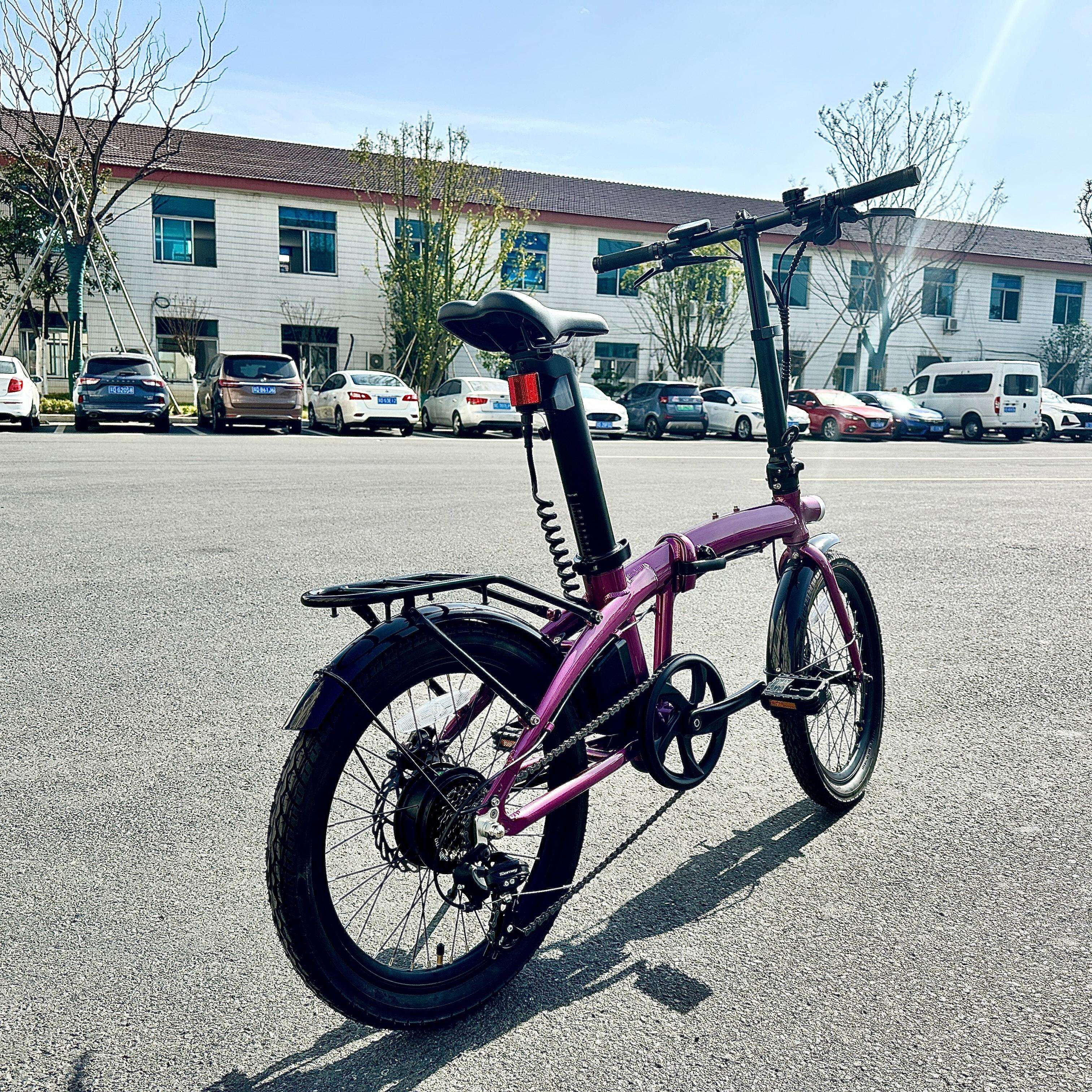
Urban commuting has transformed dramatically over the past decade, with millions of city dwellers seeking sustainable and efficient transportation alternatives. Among the most innovative solutions emerging in modern cities are folding battery bikes, which combine the convenience of compact storage with the power of electric assistance. These revolutionary vehicles address multiple challenges faced by urban commuters, from limited storage space to extended commuting distances. As cities become increasingly congested and environmental consciousness grows, folding battery bikes represent a perfect convergence of practicality, sustainability, and technological advancement that makes them ideally suited for today's urban lifestyle.
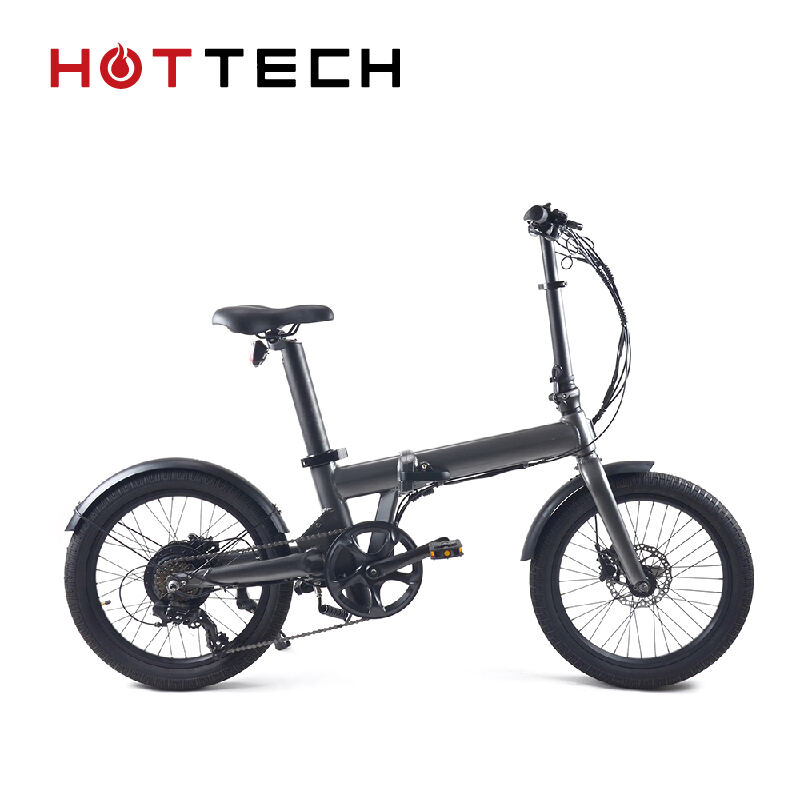
Space-Saving Design Revolution
Compact Storage Solutions for Small Spaces
The primary advantage of folding battery bikes lies in their remarkable ability to transform from full-sized bicycles into compact packages that fit into the smallest urban spaces. Modern apartment living often means sacrificing storage space, and traditional bicycles can consume valuable real estate in cramped quarters. These innovative bikes fold down to roughly one-third of their original size, allowing commuters to store them in closets, under desks, or even in small corners of studio apartments. The folding mechanism typically takes less than thirty seconds to execute, making the transition seamless for daily use.
Office storage presents another significant challenge for urban cyclists, but folding battery bikes eliminate this concern entirely. Many models can be stored discretely beside desks or in supply closets, removing the need for outdoor bike racks or expensive secure storage facilities. This convenience factor has led to increased adoption among professionals who previously considered cycling impractical due to workplace storage limitations. The ability to keep the bike close and secure also reduces theft concerns, a major deterrent for many potential urban cyclists.
Transportation Integration Benefits
Public transportation systems worldwide are embracing folding battery bikes as complementary mobility solutions. Most transit authorities allow folded bikes on buses, trains, and subways without additional fees or restrictions, creating seamless multi-modal commuting options. This integration enables commuters to extend their effective range significantly, combining the speed of public transit with the flexibility of personal transportation. The folded bike serves as a backup plan during transit delays or service disruptions, providing alternative routing options.
Air travel compatibility represents another unique advantage of folding battery bikes for business travelers and urban nomads. While battery restrictions apply to air transport, many frequent travelers maintain folding bikes in multiple cities, leveraging their compact design for easy shipping and storage. This approach creates consistent transportation options across different urban environments, supporting the growing trend of location-independent work arrangements.
Electric Power Advantages
Extended Range Capabilities
The integration of electric battery systems fundamentally transforms the urban commuting experience by eliminating range and terrain limitations. Traditional bicycles often restrict commuters to relatively short distances or flat routes, but folding battery bikes extend practical commuting ranges to fifteen to forty miles on a single charge. This expanded capability opens up housing options in more affordable neighborhoods farther from city centers, as commuters can cover greater distances without arriving at work exhausted or perspiring.
Battery technology advancement has made modern folding battery bikes remarkably reliable for daily use. Lithium-ion batteries provide consistent power delivery throughout their discharge cycle, ensuring predictable performance for route planning. Many models feature dual battery systems that effectively double the range while maintaining the compact folding profile. Smart battery management systems monitor power consumption and provide accurate range estimates, eliminating the anxiety associated with running out of charge mid-commute.
Terrain Adaptability
Urban environments present diverse terrain challenges, from steep hills to headwinds, that can make traditional cycling impractical for many commuters. The electric assist feature of folding battery bikes levels these playing fields, enabling riders of varying fitness levels to navigate challenging routes confidently. Hill climbing becomes effortless with motor assistance, while headwinds become minor inconveniences rather than major obstacles. This adaptability makes cycling accessible to a broader demographic, including older adults and those with physical limitations.
Weather independence represents another crucial advantage of electric-powered commuting. While rain and wind affect all cyclists, the motor assistance of folding battery bikes enables riders to maintain consistent speeds and arrive on schedule regardless of conditions. The reduced physical exertion required also means less perspiration in hot weather, making professional dress more practical for bike commuters.
Cost-Effectiveness Analysis
Transportation Budget Optimization
The financial benefits of folding battery bikes become apparent when compared to traditional urban transportation costs. Monthly parking fees in major cities often exceed three hundred dollars, while public transit passes typically cost over one hundred dollars monthly. A quality folding battery bike represents a one-time investment that pays for itself within the first year of use, while providing years of reliable service thereafter. The elimination of fuel costs, insurance premiums, and parking fees creates substantial long-term savings.
Maintenance costs for folding battery bikes remain minimal compared to automobile ownership. Basic upkeep includes occasional tire replacement, brake adjustments, and battery maintenance, totaling less than most drivers spend on a single oil change. The simplicity of electric bike systems reduces mechanical complexity and associated repair costs. Many components have extended warranties, and the robust construction of quality folding battery bikes ensures years of trouble-free operation.
Health and Productivity Returns
The health benefits of regular cycling provide measurable returns on investment through reduced healthcare costs and improved productivity. Even with electric assistance, folding battery bikes provide cardiovascular exercise and stress reduction benefits that contribute to overall well-being. Studies consistently demonstrate that active commuters experience lower rates of chronic diseases and mental health issues, translating to reduced medical expenses and fewer sick days.
Time savings represent another significant value proposition of folding battery bikes in urban environments. Traffic congestion makes automobile commuting increasingly inefficient, while folding battery bikes maintain consistent travel times regardless of traffic conditions. The ability to use bike lanes and paths often creates shorter, more direct routes than available to cars or public transit. These time savings compound over years of commuting, creating substantial value in terms of personal time and reduced stress.
Environmental Impact and Sustainability
Carbon Footprint Reduction
Environmental consciousness drives many urban commuters toward sustainable transportation options, and folding battery bikes deliver exceptional ecological benefits. The carbon footprint of electric bike manufacturing and operation remains significantly lower than automobiles throughout the product lifecycle. Even when accounting for electricity used for charging, folding battery bikes produce minimal emissions compared to internal combustion vehicles. The compact size and efficient manufacturing processes further reduce environmental impact.
Urban air quality improvement represents a collective benefit when communities adopt folding battery bikes for commuting. Each car removed from daily commute routes reduces local air pollution, benefiting entire neighborhoods. The quiet operation of electric bikes also contributes to noise pollution reduction, creating more pleasant urban environments. These environmental benefits create positive feedback loops as improved air quality and reduced noise make cycling more attractive to additional commuters.
Resource Efficiency
The resource efficiency of folding battery bikes extends beyond direct emissions to include infrastructure requirements. Bike lanes and paths require significantly less space and resources to construct and maintain than roadways designed for automobiles. The reduced wear on urban infrastructure from lightweight bikes creates cost savings that benefit entire communities through lower taxes and maintenance fees.
Battery recycling programs ensure that even the power systems of folding battery bikes contribute to circular economy principles. Modern lithium-ion batteries can be recycled to recover valuable materials for new battery production, minimizing waste and resource extraction requirements. Many manufacturers now offer battery takeback programs that ensure proper recycling at end of life, completing the sustainability cycle.
Technology Integration and Smart Features
Connectivity and Navigation
Modern folding battery bikes incorporate sophisticated technology that enhances the urban commuting experience through smartphone integration and smart navigation features. GPS tracking provides security benefits while enabling route optimization and performance monitoring. Many models include dedicated smartphone apps that display battery status, range estimates, and maintenance reminders, keeping commuters informed about their bike's condition and performance.
Navigation integration helps urban commuters discover optimal routes that prioritize bike lanes and paths while avoiding heavily trafficked areas. These systems learn from user preferences and traffic patterns to suggest improvements over time. Real-time updates about construction, weather, and traffic conditions enable dynamic route adjustments that maintain consistent commuting experiences.
Security and Anti-Theft Features
Security concerns represent major barriers to urban cycling adoption, but modern folding battery bikes address these issues through integrated anti-theft technology. GPS tracking enables recovery of stolen bikes while alarm systems deter theft attempts. Remote locking capabilities accessed through smartphone apps provide additional security layers beyond traditional locks and chains.
The foldable nature of these bikes inherently improves security by enabling indoor storage and reducing exposure to theft opportunities. When combined with electronic security features, folding battery bikes offer significantly better protection than traditional bicycles. Insurance companies increasingly recognize these security advantages through reduced premiums for electric bike coverage.
Practical Daily Use Considerations
Weather Adaptability
Urban commuting requires transportation solutions that function reliably across varying weather conditions, and folding battery bikes excel in this regard through thoughtful design and accessories. Fenders and chain guards protect riders and clothing from road spray, while integrated lighting systems ensure visibility during dark or overcast conditions. The electric assistance enables consistent performance regardless of weather-related challenges like headwinds or slippery conditions.
Seasonal storage becomes simplified with folding battery bikes, as the compact folded size enables easy indoor storage during harsh winter months. This protection extends battery life and component durability while eliminating weather-related maintenance issues. Many commuters maintain their folding battery bikes year-round, using appropriate clothing and accessories to remain comfortable in various conditions.
Professional Integration
The professional workplace integration of folding battery bikes addresses common concerns about cycling to work, particularly regarding appearance and punctuality. The reduced physical exertion required with electric assistance means arriving at work without perspiration or fatigue, making professional attire practical for bike commuters. Quick folding mechanisms enable discrete storage that doesn't disrupt office environments or create security concerns.
Meeting schedules become more predictable with folding battery bikes, as consistent travel times eliminate the uncertainty associated with traffic or public transit delays. The reliability of electric bikes for daily commuting enables better work-life balance through dependable transportation that adapts to varying schedule demands. Emergency transportation capabilities provide backup options during transit strikes or vehicle breakdowns.
FAQ
How long does the battery last on folding battery bikes during daily commuting
Most quality folding battery bikes provide between 20-40 miles of range per charge, depending on factors like rider weight, terrain, assist level, and weather conditions. For typical urban commutes of 5-15 miles roundtrip, a single charge usually lasts 2-4 days of regular use. Dual battery systems can effectively double this range, and most commuters find they need to charge only 2-3 times per week with normal usage patterns.
Can folding battery bikes handle steep hills and challenging urban terrain
Yes, the electric motor assistance makes folding battery bikes excellent for climbing hills and navigating challenging terrain. Most models provide multiple assistance levels, allowing riders to adjust power output based on terrain difficulty. Even steep grades become manageable with proper motor assistance, making previously inaccessible neighborhoods viable for bike commuting. The motor assistance levels the playing field for riders of different fitness levels.
How secure are folding battery bikes from theft in urban environments
Folding battery bikes offer superior theft protection compared to traditional bicycles due to their ability to fold for indoor storage. Many models include GPS tracking, smartphone-controlled locks, and alarm systems for additional security. The compact folded size enables storage in offices, apartments, and secure locations that eliminate most theft opportunities. When outdoor parking is necessary, the electronic security features provide multiple layers of protection.
What maintenance requirements do folding battery bikes have for daily urban use
Maintenance requirements for folding battery bikes remain minimal and similar to traditional bicycles, with the addition of battery care. Regular maintenance includes tire pressure checks, brake adjustments, chain lubrication, and periodic battery charging. The battery typically requires replacement every 3-5 years depending on usage patterns. Most mechanical components are standard bicycle parts that any bike shop can service, making maintenance convenient and affordable in urban areas.
Table of Contents
- Space-Saving Design Revolution
- Electric Power Advantages
- Cost-Effectiveness Analysis
- Environmental Impact and Sustainability
- Technology Integration and Smart Features
- Practical Daily Use Considerations
-
FAQ
- How long does the battery last on folding battery bikes during daily commuting
- Can folding battery bikes handle steep hills and challenging urban terrain
- How secure are folding battery bikes from theft in urban environments
- What maintenance requirements do folding battery bikes have for daily urban use