
 EN
EN
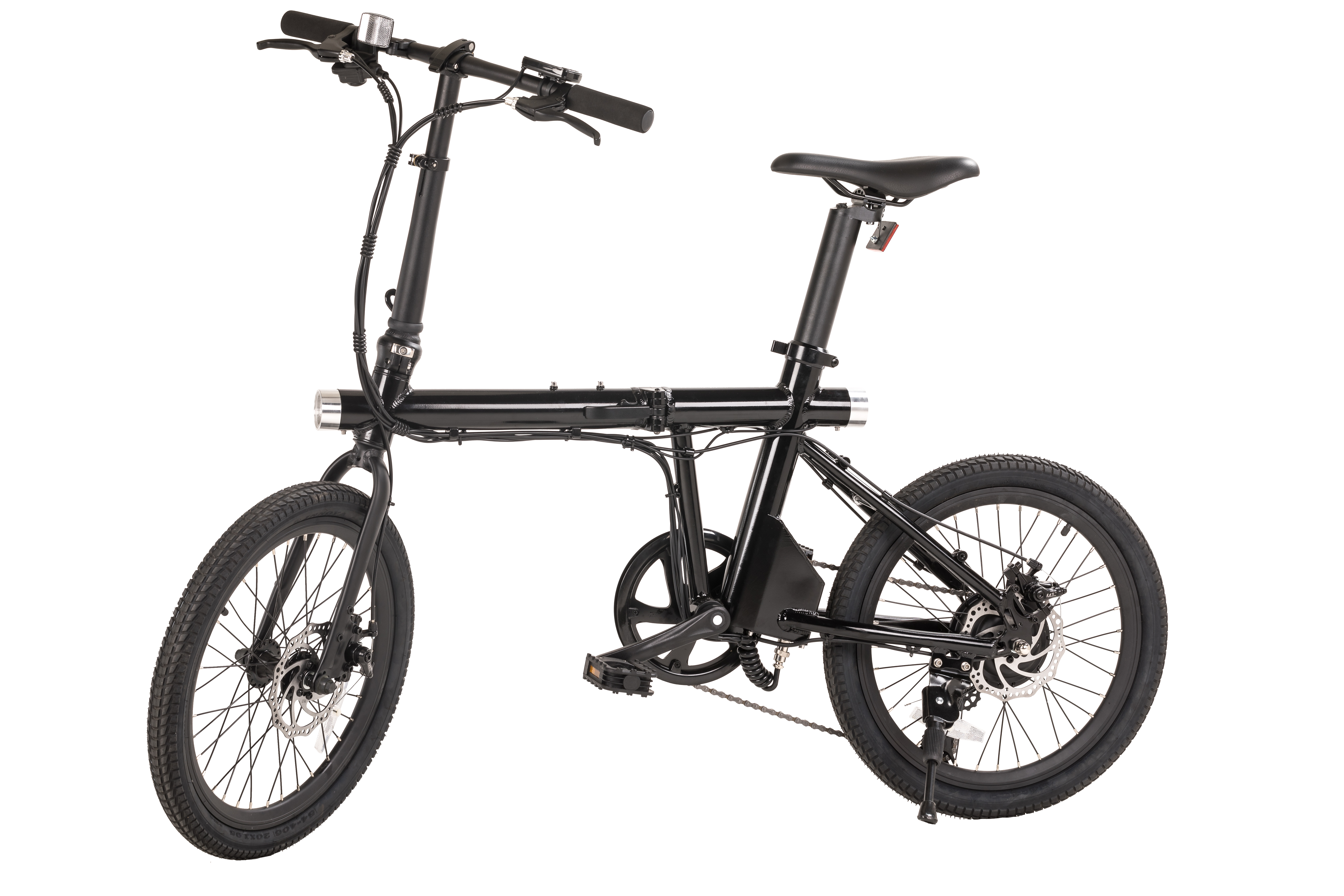
Urban commuting has evolved dramatically in recent years, with space constraints becoming one of the most pressing challenges for city dwellers. The rise of compact transportation solutions has led many to discover the remarkable benefits of a folding electric bike. These innovative vehicles combine the convenience of traditional bicycles with electric assistance and the game-changing ability to fold into compact packages. For professionals juggling limited storage at home and restrictive parking policies at work, a folding electric bike represents the perfect intersection of practicality and efficiency. Whether you live in a small apartment or work in a crowded office building, understanding how these versatile machines can transform your daily routine while maximizing available space is essential for modern urban living.
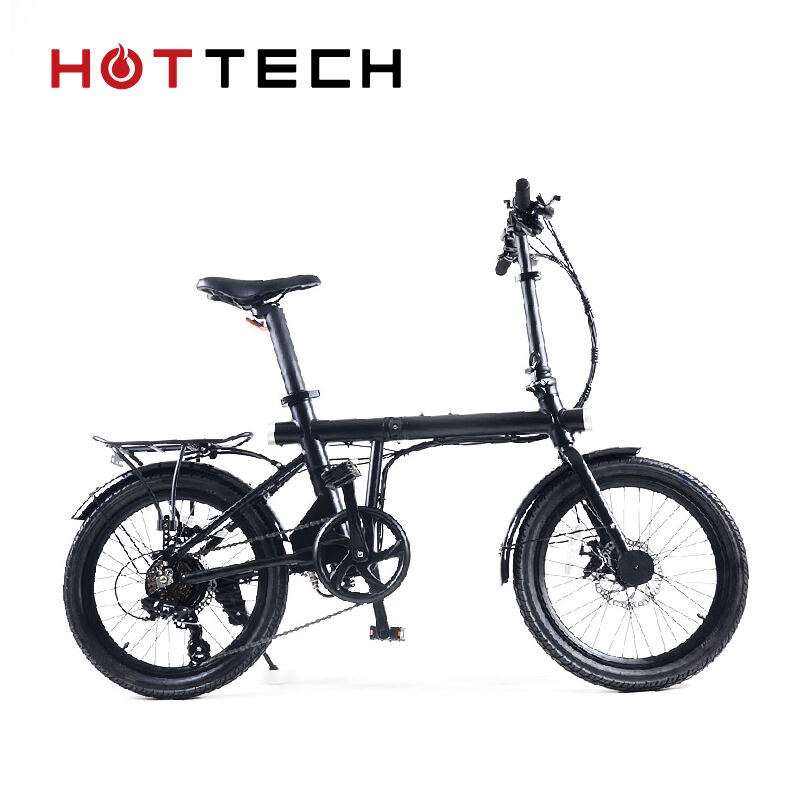
Space-Saving Advantages for Home Storage
Compact Folding Mechanisms and Storage Solutions
The primary advantage of a folding electric bike lies in its ingenious design that allows the frame to collapse into a fraction of its operational size. Most quality models can fold down to dimensions comparable to a large suitcase, typically measuring around 30 inches by 25 inches when completely collapsed. This remarkable transformation means that commuters no longer need dedicated garage space, outdoor bike racks, or expensive storage sheds to house their transportation. The folding mechanism usually involves quick-release hinges on the main frame, handlebars, and pedals, allowing the entire process to be completed in under thirty seconds with minimal effort.
Modern folding electric bike designs prioritize user convenience by incorporating magnetic catches, safety locks, and ergonomic handles that make the folding process intuitive and secure. When folded, these bikes can easily fit into closets, under beds, behind furniture, or even in the trunk of a car. The compact nature eliminates the common urban dilemma of bike theft, as owners can simply bring their folding electric bike indoors rather than leaving it vulnerable to opportunistic criminals in public spaces.
Apartment Living and Urban Space Optimization
For apartment dwellers facing increasingly expensive rent per square foot, every inch of living space carries premium value. A traditional bicycle can consume significant floor area and create cluttered, unwelcoming environments. In contrast, a folding electric bike seamlessly integrates into existing living spaces without compromising aesthetics or functionality. Many urban professionals store their folded bikes in entryways, coat closets, or even stylishly display them as modern industrial decor elements.
The vertical storage capabilities of a folding electric bike open up creative solutions for space-conscious renters. Wall-mounted brackets designed specifically for folded e-bikes allow owners to hang their transportation vertically, freeing up valuable floor space for other essential furniture or activities. This approach works particularly well in studio apartments where multi-functional use of space is critical for comfortable living arrangements.
Workplace Storage and Professional Benefits
Office Integration and Corporate Bike Policies
Corporate environments often struggle with bike storage solutions that satisfy both security concerns and space limitations. Traditional bicycle parking requires dedicated outdoor racks or indoor storage rooms that many office buildings simply cannot accommodate. A folding electric bike elegantly solves this challenge by allowing employees to bring their transportation directly to their workstations or designated indoor areas. Progressive companies recognize this advantage and are increasingly updating their transportation policies to accommodate folding electric vehicles.
The professional presentation of a neatly folded electric bike also aligns with corporate aesthetics better than traditional bicycles with their protruding wheels and handlebars. Many folding electric bike models feature sleek, minimalist designs that complement modern office environments. Employees can discretely store their folded bikes under desks, in supply closets, or designated storage areas without creating visual clutter or safety hazards in hallways and common areas.
Reduced Infrastructure Requirements
Building managers and facility coordinators appreciate the reduced infrastructure demands of folding electric bike adoption among tenants and employees. Unlike traditional bicycle storage that requires weather-protected areas, security systems, and maintenance space, folding electric bikes eliminate these costly facility requirements. This reduction in infrastructure needs often translates to more favorable lease terms and reduced operational costs for both commercial and residential properties.
The absence of external bike storage requirements also simplifies property insurance considerations and reduces liability concerns associated with outdoor equipment storage. Property owners can redirect resources previously allocated for bike storage infrastructure toward other amenities or cost savings that benefit all occupants.
Transportation Flexibility and Multi-Modal Commuting
Public Transit Integration Capabilities
One of the most compelling aspects of a folding electric bike is its seamless integration with existing public transportation networks. Commuters can ride their electric bike to transit stations, fold it quickly, and carry it aboard trains, buses, or subways without occupying bike racks or requiring special accommodations. This multi-modal approach extends the practical range of public transportation while providing first-mile and last-mile solutions that traditional transit cannot address effectively.
Many public transportation systems have policies that restrict traditional bicycles during peak hours or require additional fees for bike transport. A folding electric bike typically qualifies as personal luggage when folded, bypassing these restrictions and associated costs. Commuters gain the flexibility to combine electric assistance for longer distances with public transit for segments where cycling is impractical or inefficient.
Travel and Vacation Convenience
The portability of a folding electric bike extends beyond daily commuting to vacation and business travel scenarios. These versatile machines can accompany travelers in car trunks, RVs, boats, or even airline cargo holds, providing familiar transportation options in unfamiliar destinations. Hotel storage becomes effortless, as folded bikes can remain in guest rooms without requiring special arrangements or additional fees typically associated with bicycle storage.
Business travelers particularly benefit from the convenience of having reliable transportation immediately available upon arrival at their destinations. Rather than depending on rental bikes, rideshare services, or unfamiliar public transportation, professionals can maintain their preferred mobility solution regardless of location.
Environmental Impact and Sustainability Considerations
Reduced Carbon Footprint Through Efficient Design
The compact nature of a folding electric bike contributes to environmental sustainability beyond just replacing car trips with electric-assisted cycling. The reduced material requirements for storage infrastructure, parking facilities, and transportation logistics create a smaller overall environmental footprint compared to traditional bicycles or automotive solutions. Manufacturing efficiency also benefits from standardized folding mechanisms and compact packaging that reduces shipping costs and associated emissions.
Urban planners increasingly recognize that folding electric bike adoption can reduce pressure on municipal infrastructure development. Cities can allocate fewer resources to bike lane maintenance, parking facility construction, and theft prevention programs while still encouraging sustainable transportation alternatives. This efficiency allows municipalities to focus environmental investments on other critical sustainability initiatives.
Longevity and Maintenance Advantages
Indoor storage capabilities inherent to folding electric bike ownership significantly extend vehicle lifespan by protecting components from weather exposure, vandalism, and theft. Owners report substantially lower maintenance costs and longer component life when bikes are consistently stored in controlled environments rather than exposed to outdoor elements. This longevity reduces the frequency of replacement purchases and associated environmental costs of manufacturing and disposal.
The protected storage environment also preserves battery performance and electrical components, ensuring that the electric assistance systems maintain optimal efficiency throughout the folding electric bike lifespan. Extended battery life reduces electronic waste and the environmental impact associated with battery production and recycling processes.
Economic Benefits and Cost Analysis
Reduced Storage and Infrastructure Costs
The economic advantages of a folding electric bike extend far beyond the initial purchase price when considering long-term storage and infrastructure costs. Urban residents often pay premium prices for parking spaces, garage rentals, or storage unit access that traditional bicycles require for secure storage. A folding electric bike eliminates these recurring expenses by utilizing existing indoor space that owners already pay for through rent or mortgage payments.
Commercial properties also realize cost savings when employees adopt folding electric bikes instead of requiring dedicated bicycle storage facilities. Building owners can convert potential bike storage areas into revenue-generating space or reduce construction costs by eliminating bike storage requirements from development plans. These savings often translate into more competitive lease rates and improved property values.
Insurance and Security Considerations
Traditional bicycle ownership often requires specialized insurance coverage or acceptance of significant theft risk, particularly in urban environments where bike theft rates remain consistently high. A folding electric bike stored indoors dramatically reduces theft risk and associated insurance costs. Many homeowner and renter insurance policies provide adequate coverage for folding electric bikes stored within residential premises without requiring additional riders or premium increases.
The reduced security risk also eliminates the need for expensive locking systems, security accessories, and replacement costs associated with theft or vandalism. Owners can invest in higher-quality folding electric bike models rather than spending money on security measures that provide limited protection for outdoor storage scenarios.
FAQ
How long does it typically take to fold and unfold a folding electric bike
Most quality folding electric bike models can be folded or unfolded in 15 to 30 seconds with minimal practice. The process involves releasing quick-connect mechanisms on the main frame hinge, folding the handlebars, and rotating the pedals. Modern designs prioritize user convenience with intuitive folding sequences that require no tools or complex procedures. After a few repetitions, most users can complete the folding process in under 20 seconds, making it practical for daily commuting scenarios.
Can folding electric bikes handle the same weight capacity as traditional e-bikes
Contemporary folding electric bike designs typically support weight capacities ranging from 220 to 300 pounds, comparable to many traditional electric bicycles. Advanced materials and engineering techniques ensure that folding mechanisms do not compromise structural integrity or load-bearing capabilities. However, users should always verify specific weight limits for individual models, as capacity can vary based on frame materials, folding joint designs, and intended use cases.
Do folding electric bikes require special maintenance for their folding mechanisms
Folding electric bikes require minimal additional maintenance beyond standard bicycle care routines. The folding hinges and quick-release mechanisms benefit from periodic cleaning and light lubrication, typically every few months depending on usage frequency. Most manufacturers design folding joints to be virtually maintenance-free under normal use conditions. Regular inspection of locking mechanisms and hinge alignment ensures continued safe operation and optimal folding performance throughout the bike's lifespan.
Are there size limitations for folding electric bikes when using public transportation
Most public transportation systems treat properly folded electric bikes as personal luggage rather than bicycles, eliminating size restrictions that apply to traditional bikes. When folded, most models measure approximately 30 inches by 25 inches by 12 inches, fitting within standard luggage size guidelines for trains, buses, and subways. However, commuters should verify specific policies with their local transit authorities, as regulations can vary between different transportation systems and peak versus off-peak travel times.
Table of Contents
- Space-Saving Advantages for Home Storage
- Workplace Storage and Professional Benefits
- Transportation Flexibility and Multi-Modal Commuting
- Environmental Impact and Sustainability Considerations
- Economic Benefits and Cost Analysis
-
FAQ
- How long does it typically take to fold and unfold a folding electric bike
- Can folding electric bikes handle the same weight capacity as traditional e-bikes
- Do folding electric bikes require special maintenance for their folding mechanisms
- Are there size limitations for folding electric bikes when using public transportation