
 EN
EN
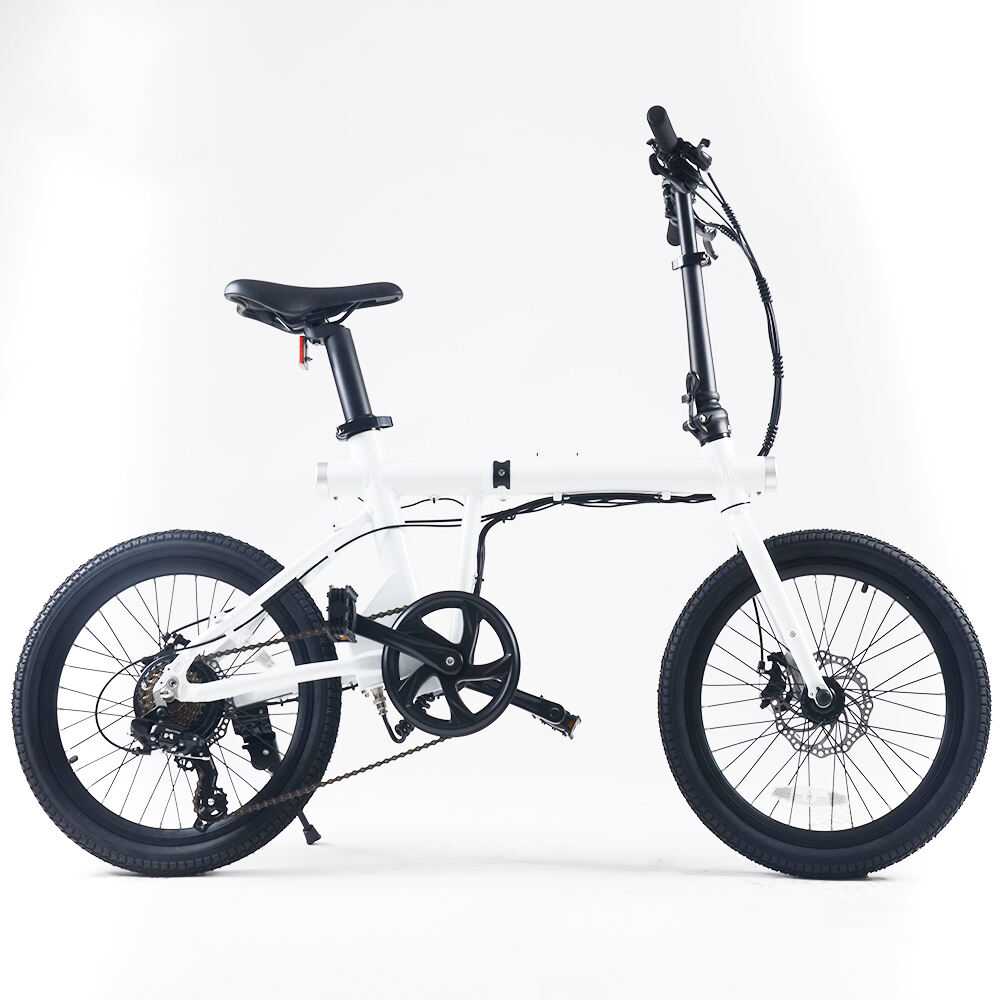
Urban transportation continues to evolve as cities become increasingly congested and environmental concerns grow. Among the innovative solutions emerging for modern commuters, folding e-bikes represent a revolutionary approach to multi-modal transportation. These compact electric bicycles combine the convenience of traditional cycling with the power assistance of electric motors, while offering the unique advantage of portability through their folding mechanism. As urban dwellers seek efficient alternatives to traditional transportation methods, folding e-bikes have gained tremendous popularity for their ability to seamlessly integrate into various transportation networks.
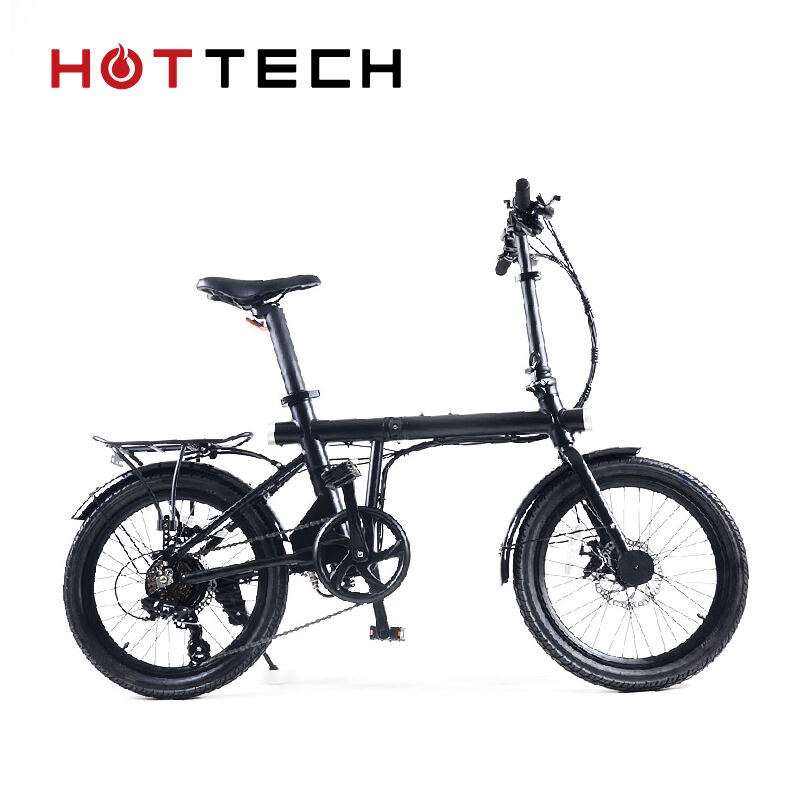
The concept of multi-mode transportation involves combining different transportation methods within a single journey to optimize efficiency, cost, and convenience. Folding e-bikes excel in this environment because they can transition from being actively ridden to being carried or stored in various transportation vehicles. This versatility makes them particularly valuable for urban professionals who need to navigate complex transportation systems while maintaining flexibility in their daily commutes.
Space Efficiency and Urban Storage Solutions
Compact Design for Small Living Spaces
One of the most significant advantages of folding e-bikes lies in their remarkable space efficiency. Urban living often means dealing with limited storage space, whether in small apartments, office buildings, or shared living environments. Traditional bicycles can be bulky and challenging to store, often requiring dedicated bike storage areas or outdoor racks that may not always be secure or convenient. Folding e-bikes address this challenge by reducing their footprint by up to 50% when folded, allowing them to fit into closets, under desks, or in car trunks.
The engineering behind modern folding mechanisms has evolved significantly, with manufacturers developing sophisticated hinge systems that maintain structural integrity while enabling quick and easy folding. Most quality folding e-bikes can be folded or unfolded in less than 30 seconds, making the process practical for daily use. This quick transformation capability is crucial for commuters who need to transition rapidly between different transportation modes throughout their journey.
Integration with Public Transportation Systems
Public transportation systems worldwide are increasingly recognizing the value of folding e-bikes as complementary transportation tools. Many subway systems, buses, and trains now allow folded bicycles during peak hours when regular-sized bikes are prohibited. This policy accommodation makes folding e-bikes particularly valuable for commuters who need to cover the first and last miles of their public transportation journey efficiently.
The ability to bring folding e-bikes onto public transportation eliminates the concern about theft or weather damage that comes with leaving bicycles at transit stations. Commuters can maintain control over their transportation device throughout their entire journey, providing peace of mind and ensuring their mobility solution is always available when needed. This integration capability has made folding e-bikes essential tools for modern urban transportation networks.
Electric Assistance for Enhanced Mobility
Overcoming Physical Barriers in Urban Commuting
The electric assistance feature of folding e-bikes significantly expands their practical application in urban environments. Hills, headwinds, and longer distances that might discourage traditional cycling become manageable with electric motor support. This assistance is particularly valuable for commuters who need to arrive at their destination without excessive perspiration or fatigue, making folding e-bikes viable options for professional environments where appearance matters.
Modern electric assist systems in folding e-bikes offer multiple power levels, allowing riders to customize their assistance based on terrain, weather conditions, and personal energy levels. This flexibility means that users can choose to exercise more on days when they have time and energy, while relying more heavily on electric assistance during busy periods or challenging weather conditions.
Battery Technology and Range Considerations
Contemporary folding e-bikes feature advanced lithium-ion battery systems that provide substantial range while maintaining reasonable weight and size constraints. Most modern models offer ranges between 20-50 miles per charge, depending on factors such as rider weight, terrain, assist level used, and weather conditions. This range capability makes folding e-bikes suitable for most urban commuting needs, including round-trip journeys and additional errands.
Battery management systems in quality folding e-bikes include features such as regenerative charging during braking, smart power distribution, and battery life optimization algorithms. Many models also offer removable batteries, allowing users to charge them indoors while leaving the bike secured elsewhere. This feature is particularly valuable for urban dwellers who may not have convenient outdoor charging access or who want to extend their range by carrying spare batteries.
Versatility Across Different Transportation Scenarios
Urban Commuting Flexibility
The versatility of folding e-bikes shines in their ability to adapt to varying urban commuting scenarios. Weather conditions, schedule changes, mechanical issues with public transportation, or unexpected route closures can disrupt traditional commuting patterns. Folding e-bikes provide a reliable backup transportation method that can be quickly deployed when primary transportation plans fail.
This flexibility extends to different types of urban terrain and infrastructure. Folding e-bikes perform well on bike lanes, shared pathways, and even some sidewalk areas where local regulations permit. Their smaller wheel size and lower center of gravity often make them more maneuverable in crowded urban environments compared to traditional bicycles, while the electric assistance helps maintain speed and momentum in stop-and-go traffic situations.
Travel and Tourism Applications
Beyond daily commuting, folding e-bikes excel in travel and tourism scenarios. Their compact folded size makes them practical for car trunk storage, RV travel, or even airline checked baggage in some cases. This portability allows users to bring their preferred transportation method to new destinations, providing familiar and reliable mobility in unfamiliar locations.
Tourist destinations increasingly recognize folding e-bikes as valuable tools for sustainable tourism. Visitors can explore urban areas, parks, and cultural sites at their own pace while minimizing their environmental impact. The electric assistance makes longer sightseeing tours feasible for people of varying fitness levels, while the folding capability allows easy transitions between different activities and locations throughout the day.
Economic Advantages of Multi-Modal Integration
Cost Comparison with Traditional Transportation
When analyzing the economic benefits of folding e-bikes, their value becomes particularly apparent when compared to the cumulative costs of urban transportation alternatives. Monthly parking fees, fuel costs, public transportation passes, and ride-sharing expenses can quickly add up to significant amounts. Folding e-bikes offer a one-time investment that can substantially reduce or eliminate many of these recurring transportation expenses.
The operational costs of folding e-bikes remain minimal after the initial purchase. Electricity costs for charging are typically measured in pennies per charge, while maintenance requirements are generally limited to basic bicycle upkeep plus occasional battery service. This cost structure makes folding e-bikes particularly attractive for budget-conscious urban dwellers who need reliable transportation without ongoing financial commitments.
Reduced Infrastructure Dependency
Folding e-bikes reduce dependency on expensive urban transportation infrastructure. Unlike cars that require parking spaces, or traditional bikes that need secure storage facilities, folding e-bikes can adapt to existing space availability. This flexibility reduces the hidden costs associated with transportation, such as parking fees, storage rental, or security services.
The reduced infrastructure dependency also translates to greater transportation resilience. Users are less affected by public transportation strikes, parking restrictions, or infrastructure maintenance that might disrupt other transportation methods. This reliability has economic value in terms of reduced delays, missed appointments, and stress-related impacts on productivity and well-being.
Environmental Impact and Sustainability
Carbon Footprint Reduction
The environmental benefits of folding e-bikes become more pronounced when considered within the context of multi-modal transportation systems. By replacing short car trips and reducing reliance on fossil fuel-powered transportation, folding e-bikes contribute to significant carbon footprint reductions. Studies indicate that electric bicycles produce approximately 22 grams of CO2 per kilometer, compared to 271 grams for cars and 101 grams for public buses.
The manufacturing impact of folding e-bikes, while requiring consideration of battery production, remains favorable when amortized over their useful life and compared to the environmental cost of alternative transportation methods. Modern battery recycling programs and improved manufacturing processes continue to reduce the environmental impact of folding e-bikes throughout their lifecycle.
Urban Air Quality Improvement
Widespread adoption of folding e-bikes contributes to improved urban air quality by reducing the number of internal combustion engine vehicles on city streets. This improvement has direct health benefits for urban populations and contributes to more pleasant and livable urban environments. The quiet operation of folding e-bikes also reduces noise pollution, contributing to better quality of life in dense urban areas.
Cities that actively promote folding e-bikes and other electric mobility solutions often see measurable improvements in air quality metrics. These improvements create positive feedback loops where better air quality makes outdoor activities like cycling more attractive, further encouraging adoption of sustainable transportation alternatives.
Technology Integration and Smart Features
Connectivity and Navigation Systems
Modern folding e-bikes increasingly incorporate smart technology features that enhance their value in multi-modal transportation scenarios. GPS tracking, smartphone connectivity, and integrated navigation systems help users optimize their routes across different transportation modes. These features can provide real-time information about public transportation schedules, traffic conditions, and bike-friendly route options.
Smart folding e-bikes can integrate with transportation apps that help plan complex multi-modal journeys. Users can receive notifications about delays in public transportation and automatically receive alternative route suggestions that incorporate their folding e-bike capabilities. This integration makes the overall transportation experience more seamless and efficient.
Security and Anti-Theft Features
Advanced security features in folding e-bikes address one of the primary concerns about bicycle ownership in urban environments. GPS tracking systems can help locate stolen bikes, while smartphone alerts can notify owners of unauthorized movement. Some models include integrated locking mechanisms that secure the folding joints, making the bikes difficult to use even if the primary lock is compromised.
The ability to bring folding e-bikes indoors significantly reduces theft risk compared to traditional bicycles that must be left in public spaces. This security advantage makes folding e-bikes particularly appealing to urban commuters who have experienced bicycle theft or who work in areas with high crime rates.
FAQ
How long does it take to fold and unfold a typical folding e-bike
Most quality folding e-bikes can be folded or unfolded in 15-30 seconds once you become familiar with the mechanism. The process typically involves releasing 2-3 quick-release mechanisms and rotating the frame at designated hinge points. Regular practice makes the process even faster and more intuitive for daily commuters.
Can folding e-bikes handle the same weight and distance as regular e-bikes
Modern folding e-bikes are engineered to handle similar weight capacities and distances as traditional e-bikes, typically supporting riders up to 220-300 pounds and offering ranges of 20-50 miles per charge. The folding mechanism adds minimal weight while maintaining structural integrity through advanced engineering and high-quality materials.
Are folding e-bikes allowed on all forms of public transportation
Policies vary by transit system, but most allow folded bicycles during all operating hours while restricting unfolded bikes during peak times. Many systems treat folded e-bikes as luggage rather than bicycles, making them more widely accepted. Always check specific transit authority policies before traveling.
What maintenance do folding e-bikes require compared to regular bicycles
Folding e-bikes require standard bicycle maintenance plus attention to the folding mechanisms and electrical components. The hinges should be periodically cleaned and lubricated, while the battery requires proper charging practices. Overall maintenance is similar to regular e-bikes with the addition of checking folding joint tightness and alignment.