
 EN
EN
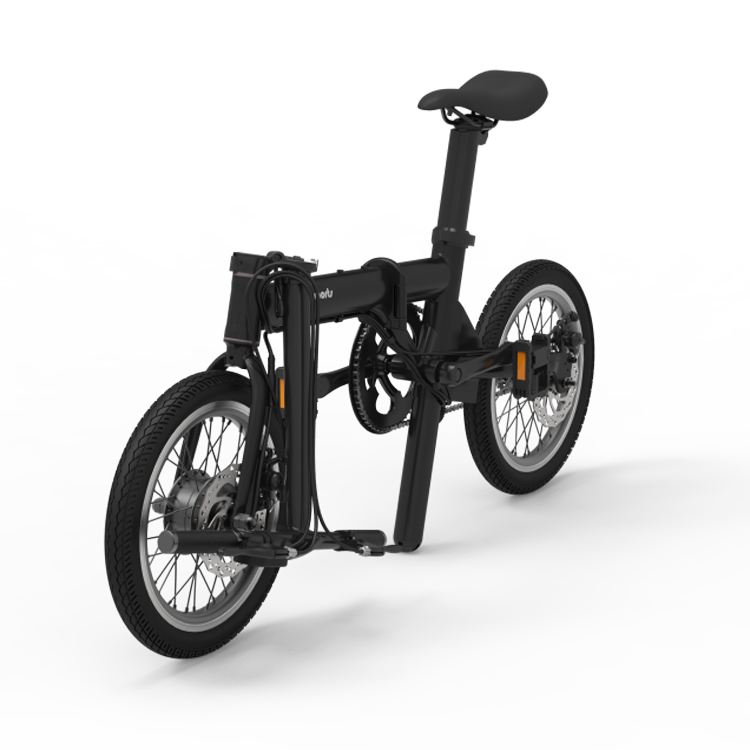
The modern urban landscape has dramatically transformed how people approach transportation, leading to an unprecedented surge in demand for compact, efficient mobility solutions. Among these innovations, the folding electric bike has emerged as a revolutionary answer to the challenges faced by travelers and apartment dwellers alike. These versatile vehicles combine the convenience of traditional bicycles with the power of electric assistance, all while offering the critical advantage of portability through their ingenious folding mechanisms.
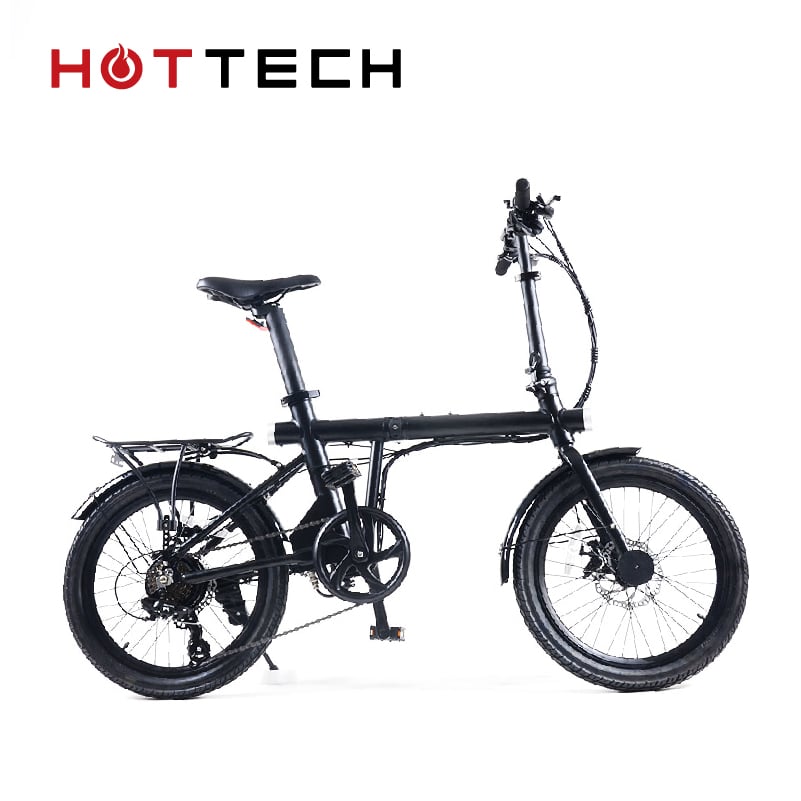
Urban mobility challenges have reached a tipping point in major cities worldwide, where traditional transportation methods often fall short of meeting contemporary needs. The folding electric bike represents a paradigm shift in personal transportation, offering solutions that address space constraints, environmental concerns, and the growing desire for flexible commuting options. This innovative technology has captured the attention of diverse user groups, from frequent business travelers to city apartment residents who struggle with storage limitations.
The appeal of folding electric bikes extends beyond mere convenience, encompassing practical benefits that align perfectly with modern lifestyle demands. These devices bridge the gap between public transportation and personal mobility, providing users with unprecedented freedom to navigate urban environments efficiently. As cities continue to evolve and housing spaces become more compact, the folding electric bike has positioned itself as an indispensable tool for forward-thinking individuals seeking sustainable and practical transportation alternatives.
Space-Saving Design Revolution
Compact Storage Solutions for Small Living Spaces
Apartment living in today's urban centers presents unique challenges when it comes to storing traditional bicycles and transportation equipment. The folding electric bike addresses this fundamental issue through innovative engineering that allows the entire frame to collapse into a remarkably compact package. Most quality folding electric bike models can reduce their size by sixty to seventy percent when folded, making them suitable for storage in closets, under beds, or even in office spaces.
The engineering behind these space-saving designs involves sophisticated hinge mechanisms and telescoping components that maintain structural integrity while enabling dramatic size reduction. Advanced folding electric bike systems utilize quick-release mechanisms that allow users to transform their full-sized bicycle into a portable package within seconds. This transformation capability is particularly valuable for apartment residents who lack dedicated garage space or secure outdoor storage areas.
Beyond residential applications, the compact nature of folding electric bike designs makes them ideal for office workers who want to store their transportation inside their workplace. Many companies now encourage employees to use sustainable transportation methods, and the ability to fold and store a folding electric bike indoors eliminates security concerns while promoting eco-friendly commuting practices.
Innovative Folding Mechanisms and Technology
Modern folding electric bike manufacturers have developed increasingly sophisticated folding systems that prioritize both ease of use and structural reliability. The most advanced models feature patented hinge designs that distribute stress evenly across the frame, ensuring that the folding electric bike maintains its performance characteristics even after thousands of folding cycles. These mechanisms typically incorporate safety locks that prevent accidental folding during operation.
The integration of electric components into folding frames presents unique engineering challenges that manufacturers have addressed through creative design solutions. Battery placement, motor integration, and wiring management all require careful consideration in folding electric bike designs. Leading manufacturers have developed systems where the battery can be easily removed for charging while the bike remains folded, maximizing convenience for users.
Quality folding electric bike models also feature adjustable components that allow multiple users to customize the fit while maintaining the compact folding capability. Telescoping seat posts, adjustable handlebars, and quick-release pedals contribute to the versatility that makes these bikes appealing to a broad range of users with varying physical requirements and preferences.
Travel Convenience and Portability Benefits
Multi-Modal Transportation Integration
The true power of folding electric bike technology becomes apparent when considering multi-modal transportation scenarios that are increasingly common in modern travel. Business travelers and tourists can seamlessly integrate their folding electric bike into various transportation systems, carrying them onto trains, buses, and even some aircraft as oversized luggage. This integration capability eliminates the limitations typically associated with bicycle travel.
Airlines have begun recognizing folding electric bike models as acceptable checked baggage when batteries are removed and properly packaged according to transportation regulations. This development has opened up entirely new possibilities for travelers who want to maintain their preferred mode of transportation regardless of destination. The folding electric bike becomes an extension of personal mobility that transcends geographical boundaries.
Public transportation systems worldwide have also adapted their policies to accommodate folding electric bike users during off-peak hours. Many subway systems, light rail networks, and bus services now permit folded bikes during designated times, recognizing that these devices support broader transportation efficiency goals. This policy evolution reflects the growing acceptance of folding electric bike technology as a legitimate component of integrated urban mobility solutions.
Tourism and Recreational Applications
Tourism applications represent one of the most compelling use cases for folding electric bike technology, enabling travelers to explore destinations with unprecedented freedom and flexibility. Tourists can pack their folding electric bike for vacation trips, ensuring they have reliable transportation regardless of local bike rental availability or quality. This capability is particularly valuable in destinations where bike rental options may be limited or expensive.
The electric assistance feature of folding electric bike models makes them accessible to travelers of varying fitness levels and ages, democratizing bicycle tourism for individuals who might otherwise be deterred by physical limitations. Electric motors can provide assistance on hills, extend range capabilities, and reduce fatigue, making it possible for tourists to cover greater distances and explore more comprehensively during their visits.
Many hotels and accommodations have begun recognizing the appeal of folding electric bike friendly facilities, offering charging stations and secure storage areas specifically designed for these devices. This trend reflects the growing market segment of travelers who prioritize sustainable and flexible transportation options during their journeys.
Urban Commuting Advantages
Traffic Navigation and Time Efficiency
Urban commuting presents daily challenges that folding electric bike technology addresses through superior maneuverability and time efficiency compared to traditional transportation methods. Electric assistance allows riders to maintain consistent speeds regardless of terrain or weather conditions, while the compact size of most folding electric bike designs enables navigation through traffic congestion that would immobilize larger vehicles.
The ability to combine folding electric bike travel with public transportation creates hybrid commuting solutions that optimize both time and convenience. Commuters can ride their folding electric bike to transit stations, fold the device for public transport segments, and then unfold for final destination access. This approach eliminates the time penalties associated with parking, walking, and waiting that characterize traditional commuting methods.
Electric motors integrated into folding electric bike systems provide consistent performance that enables reliable commute timing, regardless of rider fitness level or daily energy fluctuations. This predictability is crucial for professional commitments and helps establish folding electric bike commuting as a viable alternative to automobile dependency for urban workers.
Environmental Impact and Sustainability
The environmental benefits of folding electric bike adoption extend beyond individual transportation choices to contribute meaningfully to urban sustainability goals. Electric bikes produce zero direct emissions during operation, and even when accounting for electricity generation, the carbon footprint remains dramatically lower than automobile alternatives. The folding electric bike amplifies these benefits by enabling car-free lifestyles in urban environments where space constraints would otherwise necessitate automobile ownership.
Manufacturing efficiency represents another environmental advantage of folding electric bike technology, as these devices require significantly fewer raw materials and energy inputs compared to automobiles. The durability and longevity of quality folding electric bike models further enhance their environmental value proposition by reducing replacement frequency and associated manufacturing impacts.
Urban air quality improvements directly correlate with increased folding electric bike adoption rates, as these devices displace automobile trips that contribute to local air pollution. Cities that have embraced folding electric bike infrastructure have documented measurable improvements in air quality metrics, demonstrating the collective impact of individual transportation choices.
Economic Benefits and Cost Effectiveness
Ownership Cost Analysis
The economic advantages of folding electric bike ownership become apparent when comparing total cost of ownership against automobile alternatives over typical usage periods. Initial purchase prices for quality folding electric bike models represent a fraction of automobile costs, while ongoing expenses including insurance, fuel, maintenance, and parking fees remain substantially lower throughout the ownership lifecycle.
Maintenance requirements for folding electric bike systems are generally minimal compared to complex automotive systems, with most routine maintenance tasks accessible to owners with basic mechanical skills. Battery replacement represents the most significant long-term cost consideration, but advances in battery technology continue to extend service life while reducing replacement costs.
Urban parking costs alone often justify folding electric bike ownership in major metropolitan areas where monthly parking fees can exceed the total annual operating costs of electric bike ownership. The ability to store a folding electric bike indoors eliminates parking expenses entirely while providing superior security compared to outdoor bicycle parking options.
Value Proposition for Different User Groups
Different user demographics realize distinct economic benefits from folding electric bike adoption, with value propositions varying based on specific use cases and lifestyle factors. Students and young professionals in urban environments often find that folding electric bike ownership enables car-free lifestyles that dramatically reduce living expenses while maintaining transportation flexibility.
Business travelers can calculate direct cost savings by incorporating folding electric bike usage into their travel routines, reducing taxi and rental car expenses while gaining time efficiency and schedule flexibility. The ability to transport a folding electric bike as luggage eliminates destination transportation uncertainties and associated costs.
Retirees and older adults often discover that folding electric bike technology extends their active transportation capabilities while reducing healthcare and fitness costs through increased physical activity. Electric assistance makes cycling accessible to individuals who might otherwise require automotive transportation for mobility needs.
Technology Integration and Smart Features
Battery Technology and Range Capabilities
Contemporary folding electric bike models incorporate advanced lithium-ion battery systems that provide impressive range capabilities while maintaining the compact form factor essential to folding functionality. Modern battery management systems optimize power delivery and extend service life through intelligent charging algorithms and thermal management features that protect against damage from extreme conditions.
Range anxiety, a common concern among potential folding electric bike adopters, has been largely addressed through improvements in battery capacity and motor efficiency. Most current folding electric bike models provide ranges between thirty and sixty miles on a single charge, depending on assistance level, terrain, and rider input. This capability covers the vast majority of daily commuting and recreational cycling needs.
Removable battery designs featured in premium folding electric bike models enable convenient charging options and security features that protect valuable components. Users can remove batteries for indoor charging while leaving the folded bike in alternative storage locations, or carry spare batteries for extended range applications during touring or long-distance travel.
Smart Connectivity and Mobile Integration
Smart technology integration has become a standard feature in advanced folding electric bike designs, with mobile applications providing real-time monitoring of battery status, motor performance, and riding statistics. These connectivity features enhance the user experience while providing valuable data for maintenance scheduling and performance optimization.
GPS tracking capabilities integrated into smart folding electric bike systems provide theft protection and recovery assistance, addressing security concerns that are particularly relevant for valuable transportation equipment. Mobile alerts notify owners of unauthorized movement, while tracking data assists law enforcement in recovery efforts when theft occurs.
Navigation integration transforms folding electric bike models into comprehensive mobility platforms that provide turn-by-turn directions, route optimization based on bike-friendly paths, and real-time traffic information. This integration enhances the practical utility of folding electric bike commuting while improving safety through dedicated cycling route guidance.
Safety and Regulatory Considerations
Traffic Safety and Visibility Features
Safety considerations play a crucial role in folding electric bike design, with manufacturers incorporating advanced lighting systems, reflective materials, and visibility enhancement features that address the unique challenges of urban cycling. Integrated lighting systems powered by the main battery provide consistent illumination without requiring separate maintenance or battery management.
The stability and handling characteristics of folding electric bike designs require careful engineering to ensure that folding mechanisms do not compromise ride quality or safety. Quality manufacturers conduct extensive testing to verify that folded joints maintain structural integrity under various load and stress conditions, providing riders with confidence in their equipment reliability.
Braking systems designed for folding electric bike applications must accommodate both the additional weight of electric components and the higher speeds possible with motor assistance. Advanced models feature hydraulic disc brakes and regenerative braking systems that provide superior stopping power while contributing to battery charge through energy recovery.
Legal Framework and Compliance
Regulatory landscapes for folding electric bike operation vary significantly between jurisdictions, with most regions establishing classifications based on motor power, maximum assisted speed, and throttle versus pedal-assist operation modes. Understanding local regulations is essential for legal compliance and optimal folding electric bike utilization.
Insurance considerations for folding electric bike ownership are evolving as the technology gains mainstream acceptance, with some homeowners and renters insurance policies covering theft and damage while specialized bicycle insurance products address specific risks associated with electric bike ownership and operation.
International travel with folding electric bike equipment requires awareness of varying national regulations regarding electric bicycle operation, battery transport restrictions, and import requirements. Travelers should research destination regulations and transportation policies before traveling with their folding electric bike equipment.
FAQ
How long does it take to fold and unfold a folding electric bike?
Most quality folding electric bike models can be folded or unfolded in fifteen to thirty seconds once users become familiar with the mechanism. The process typically involves releasing two to four quick-release latches and rotating the frame components into their folded or deployed positions. Premium models with advanced folding systems may accomplish this transformation even more quickly, while maintaining structural integrity and ease of operation.
What is the typical weight of a folding electric bike compared to regular bicycles?
Folding electric bike models typically weigh between forty and sixty pounds, which is heavier than traditional bicycles due to the electric motor, battery, and reinforced folding mechanisms. However, this weight remains manageable for most users when carrying the folded bike for short distances. The electric assistance more than compensates for the additional weight during riding, often making the bike feel lighter to pedal than a traditional bicycle on hills or against headwinds.
How much space does a folded electric bike require for storage?
A typical folding electric bike reduces to approximately three feet by two feet by one foot when fully folded, though dimensions vary between models and manufacturers. This compact size allows storage in apartment closets, under staircases, behind furniture, or in office spaces where traditional bicycles would be impractical. Some ultra-compact models achieve even smaller folded dimensions while maintaining full-size riding capabilities when deployed.
What maintenance is required for folding electric bike systems?
Folding electric bike maintenance involves standard bicycle care plus attention to electric components and folding mechanisms. Regular cleaning and lubrication of folding joints prevents wear and ensures smooth operation, while battery maintenance includes proper charging practices and storage procedures. Motor systems typically require minimal maintenance beyond keeping them clean and dry, and most routine maintenance tasks can be performed by owners with basic mechanical skills and appropriate tools.