
 EN
EN
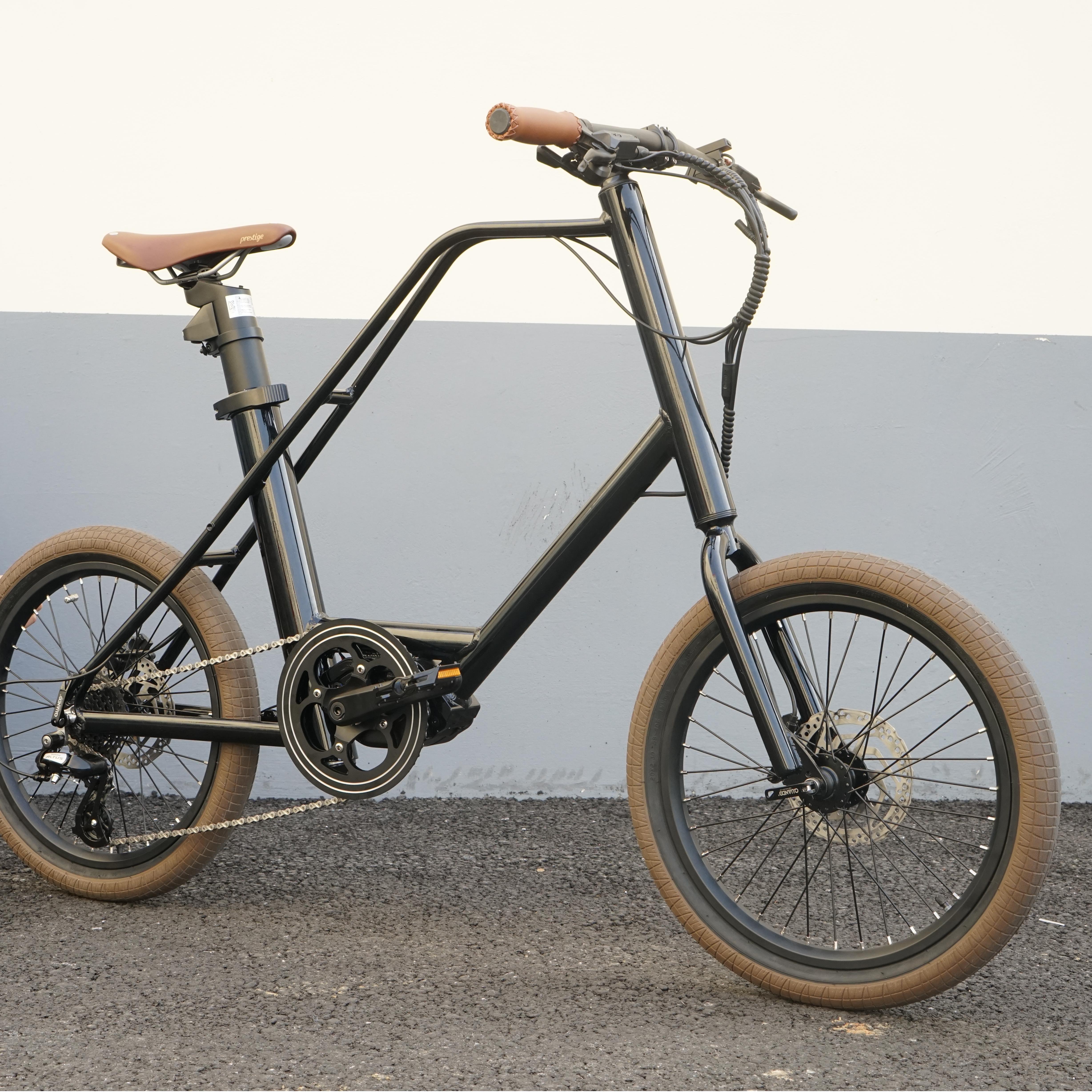
The modern business landscape demands efficient, sustainable, and cost-effective transportation solutions, making the cargo e-bike an increasingly popular choice for companies across various industries. These electric-powered vehicles combine the environmental benefits of traditional bicycles with the carrying capacity and power assistance needed for commercial applications. From last-mile delivery services to urban logistics operations, businesses are discovering that a well-chosen cargo e-bike can revolutionize their transportation strategy while reducing operational costs and carbon footprint.
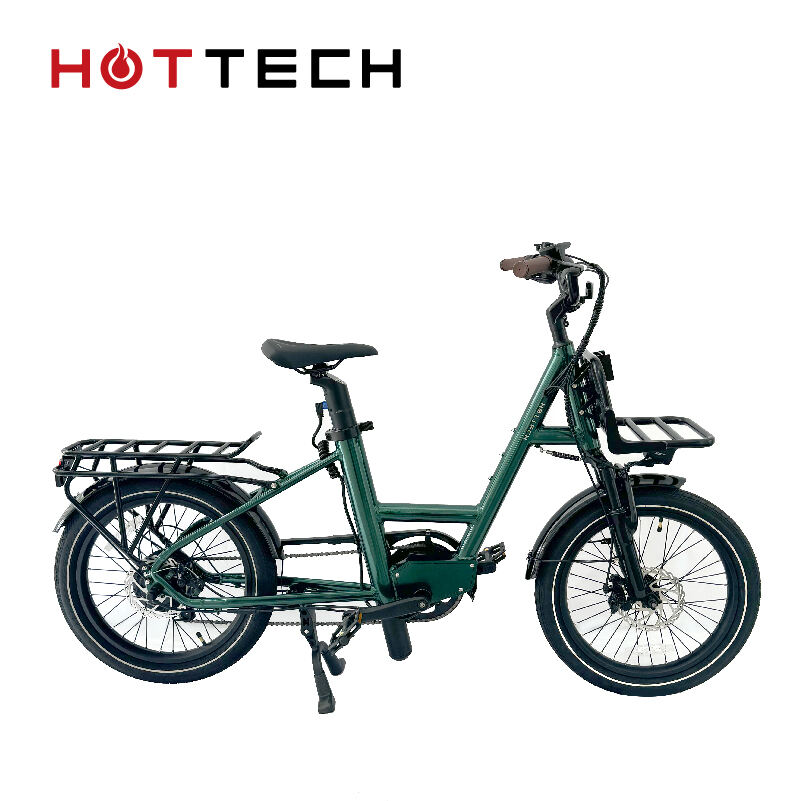
Selecting the right cargo e-bike requires careful consideration of multiple technical specifications, operational requirements, and long-term business objectives. The investment in a quality cargo e-bike can yield significant returns through reduced fuel costs, lower maintenance expenses, and improved delivery efficiency. However, making the wrong choice can result in operational challenges, safety concerns, and unexpected expenses that could impact business profitability.
Battery Performance and Range Considerations
Understanding Battery Capacity Requirements
The battery system represents the heart of any cargo e-bike, directly influencing operational range, payload capacity, and overall performance reliability. Businesses must evaluate their daily route distances, typical load weights, and terrain challenges to determine the appropriate battery specifications. A cargo e-bike with insufficient battery capacity will limit operational flexibility and potentially strand drivers during critical delivery windows.
Modern cargo e-bike batteries typically range from 10Ah to 20Ah capacity, with voltage configurations varying between 36V and 48V systems. Higher capacity batteries provide extended range but also increase initial investment costs and overall vehicle weight. Companies operating in hilly terrain or carrying consistently heavy loads should prioritize higher voltage systems for improved performance under demanding conditions.
Charging Infrastructure and Downtime Management
Effective battery management extends beyond initial capacity to encompass charging speed, infrastructure requirements, and operational scheduling flexibility. Fast-charging capabilities can significantly reduce downtime between shifts, allowing businesses to maximize vehicle utilization throughout extended operating hours. A cargo e-bike equipped with advanced charging technology can often achieve 80% battery capacity within 2-3 hours under optimal conditions.
Smart battery management systems provide real-time monitoring of charge levels, remaining range estimates, and predictive maintenance alerts. These features enable proactive route planning and prevent unexpected service interruptions that could impact customer satisfaction and delivery commitments. Integration with fleet management software allows dispatchers to optimize vehicle assignments based on current battery status and projected energy consumption.
Load Capacity and Cargo Configuration
Weight Distribution and Stability Analysis
The cargo carrying capacity of an e-bike directly impacts its commercial viability, but maximum weight ratings must be balanced against stability, handling characteristics, and safety requirements. A cargo e-bike designed for heavy loads typically features reinforced frame construction, upgraded suspension systems, and enhanced braking components to maintain safe operation under full load conditions.
Three-wheeled cargo e-bike configurations offer superior stability for heavy loads but may sacrifice maneuverability in tight urban environments. Two-wheeled designs maintain bicycle-like handling characteristics while requiring more skill from operators when fully loaded. Businesses should consider driver training requirements and typical operating environments when evaluating different cargo configuration options.
Modular Cargo Systems and Adaptability
Versatile cargo systems allow businesses to adapt their cargo e-bike for different applications without requiring multiple specialized vehicles. Modular designs enable quick reconfiguration between delivery boxes, passenger seating, refrigerated compartments, or specialized equipment mounting systems. This adaptability maximizes return on investment by enabling single vehicles to serve multiple operational roles.
Weather protection features become critical for businesses operating year-round or transporting sensitive materials. Enclosed cargo compartments, waterproof sealing systems, and climate control options ensure product integrity regardless of environmental conditions. A cargo e-bike with comprehensive weather protection extends operational capabilities and reduces product loss due to environmental exposure.
Motor Power and Performance Specifications
Power Output and Torque Characteristics
Motor specifications directly influence a cargo e-bike's ability to handle heavy loads, navigate challenging terrain, and maintain consistent speeds under varying conditions. Hub motors provide simple, reliable operation with minimal maintenance requirements, while mid-drive systems offer superior climbing ability and more natural riding characteristics. Businesses operating in flat urban environments may find hub motors sufficient, while those facing significant elevation changes should consider mid-drive alternatives.
Torque output becomes particularly important when starting from stops with heavy loads or climbing steep inclines. Higher torque motors reduce strain on the drivetrain and battery system while providing more responsive acceleration. However, increased motor power typically correlates with higher energy consumption, potentially reducing overall range per charge cycle.
Speed Regulation and Legal Compliance
Regional regulations governing cargo e-bike operation vary significantly, with many jurisdictions imposing speed limits, licensing requirements, or operational restrictions. Understanding local legal requirements ensures compliance and prevents potential fines or operational shutdowns. Some areas classify higher-powered cargo e-bike units as motorcycles, requiring additional licensing and insurance coverage.
Programmable speed limiting features allow businesses to customize performance parameters based on operator experience levels, route requirements, or regulatory compliance needs. These systems can also enhance safety by preventing inexperienced drivers from accessing full power output in challenging conditions. GPS-based speed control systems can automatically adjust maximum speeds based on location-specific regulations or company policies.
Safety Features and Operational Security
Braking Systems and Emergency Response
Enhanced braking systems become essential when operating a loaded cargo e-bike in urban traffic environments. Hydraulic disc brakes provide consistent stopping power regardless of weather conditions, while regenerative braking systems can extend battery life and reduce wear on mechanical components. Multiple independent braking circuits ensure continued stopping ability even if one system fails.
Anti-lock braking systems, while uncommon on traditional bicycles, are increasingly available on premium cargo e-bike models. These systems prevent wheel lockup during emergency stops, maintaining steering control and reducing accident risk. For businesses prioritizing safety and liability reduction, advanced braking technologies represent worthwhile investments despite higher initial costs.
Visibility and Communication Systems
Integrated lighting systems, reflective markings, and communication equipment enhance operator safety while improving professional appearance. LED lighting arrays provide superior visibility compared to traditional incandescent systems while consuming minimal battery power. Automatic light activation based on ambient conditions ensures consistent visibility without requiring operator intervention.
GPS tracking and communication systems enable real-time fleet monitoring, emergency response coordination, and theft recovery capabilities. These features provide operational oversight while enhancing driver security during solo operations. Integration with smartphone applications allows drivers to communicate status updates, request assistance, or report incidents directly to dispatch centers.
Maintenance Requirements and Total Cost of Ownership
Preventive Maintenance Scheduling
Regular maintenance requirements for a cargo e-bike differ significantly from traditional bicycles due to increased component complexity and operational demands. Electric motors, battery systems, and electronic controllers require specialized knowledge and diagnostic equipment for proper servicing. Businesses should evaluate local service availability and technician training requirements when selecting cargo e-bike models.
Predictive maintenance technologies can identify potential component failures before they result in operational downtime. Onboard diagnostic systems monitor motor temperature, battery health, brake wear, and other critical parameters to provide early warning of maintenance needs. This proactive approach minimizes unexpected repairs and extends overall vehicle lifespan.
Parts Availability and Service Support
Component standardization and parts availability directly impact long-term operational costs and vehicle reliability. Cargo e-bike models utilizing common, readily available components typically offer lower maintenance costs and reduced downtime for repairs. Proprietary systems may provide superior performance but can result in extended service intervals and higher parts costs.
Manufacturer warranty coverage, service network availability, and technical support quality vary significantly between cargo e-bike brands. Comprehensive warranty programs provide financial protection against component failures while demonstrating manufacturer confidence in product reliability. Extended warranty options may justify higher initial costs for businesses prioritizing predictable operational expenses.
Integration with Business Operations
Fleet Management and Monitoring Systems
Modern cargo e-bike fleets benefit from integrated management systems that monitor vehicle location, battery status, maintenance schedules, and driver performance metrics. These systems provide valuable data for optimizing routes, improving efficiency, and identifying training needs. Real-time monitoring capabilities enable proactive problem resolution and enhanced customer service.
Integration with existing business software systems streamlines operations and reduces administrative overhead. Compatible cargo e-bike management platforms can synchronize with inventory systems, customer databases, and accounting software to provide comprehensive operational oversight. This integration eliminates duplicate data entry and improves accuracy across all business functions.
Scalability and Future Expansion
Businesses should consider scalability requirements when selecting cargo e-bike platforms, ensuring chosen systems can accommodate future fleet expansion without requiring complete infrastructure replacement. Standardized charging systems, compatible management software, and consistent training requirements facilitate smooth fleet growth as business needs evolve.
Modular upgrade pathways allow businesses to enhance cargo e-bike capabilities as new technologies become available or operational requirements change. Systems designed with upgrade compatibility provide longer useful life and better return on investment compared to fixed-specification alternatives. Future-proofing considerations include battery upgrade compatibility, software update capabilities, and component standardization.
FAQ
What is the typical lifespan of a commercial cargo e-bike battery?
Commercial cargo e-bike batteries typically last between 3-5 years or 500-1000 charge cycles, depending on usage patterns, maintenance practices, and environmental conditions. Lithium-ion batteries used in quality cargo e-bike systems can maintain 80% capacity after 500 complete charge cycles under normal operating conditions. Proper charging habits, temperature management, and regular maintenance can significantly extend battery lifespan and reduce replacement costs.
How much weight can a typical cargo e-bike carry safely?
Most commercial cargo e-bike models can safely carry between 100-200 pounds of cargo, with some heavy-duty models supporting up to 400 pounds including rider weight. The actual carrying capacity depends on frame design, component specifications, and intended use case. Businesses should always operate within manufacturer-specified weight limits to ensure safety, component longevity, and warranty compliance.
What maintenance schedule should businesses follow for cargo e-bike fleets?
Commercial cargo e-bike fleets typically require daily visual inspections, weekly detailed checks of brakes and electrical systems, and monthly comprehensive servicing including battery diagnostics and drivetrain maintenance. High-usage vehicles may need more frequent attention, particularly brake adjustments and chain maintenance. Professional servicing every 500-1000 miles ensures optimal performance and identifies potential issues before they cause operational disruptions.
Are there specific licensing requirements for operating cargo e-bikes commercially?
Licensing requirements for commercial cargo e-bike operation vary significantly by jurisdiction, with many areas requiring business licenses, insurance coverage, and operator permits for commercial use. Some regions classify higher-powered cargo e-bike units as motor vehicles, requiring additional licensing and registration. Businesses should consult local transportation authorities and legal advisors to ensure full compliance with applicable regulations before beginning operations.