
 EN
EN
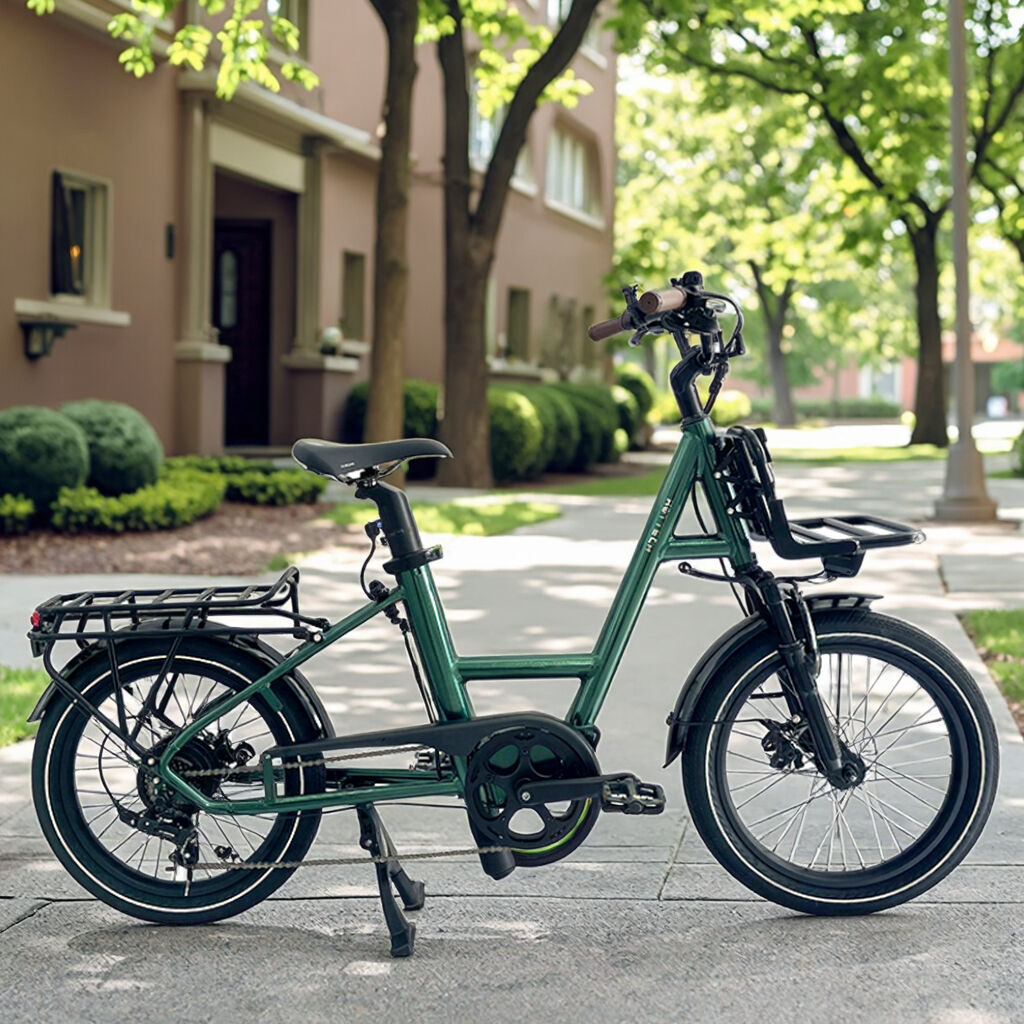
Modern families are increasingly seeking sustainable alternatives to traditional car-dependent transportation, particularly for short-distance trips within urban and suburban environments. Cargo e-bikes have emerged as a revolutionary solution that combines environmental consciousness with practical family transport needs. These innovative vehicles offer the convenience of motorized assistance while maintaining the flexibility and eco-friendliness of bicycle transportation. As urban congestion continues to grow and environmental awareness reaches new heights, cargo e-bikes represent a paradigm shift in how families approach daily mobility. The integration of electric motor technology with spacious cargo capacity creates opportunities for households to reduce their carbon footprint while maintaining the convenience necessary for modern family life.
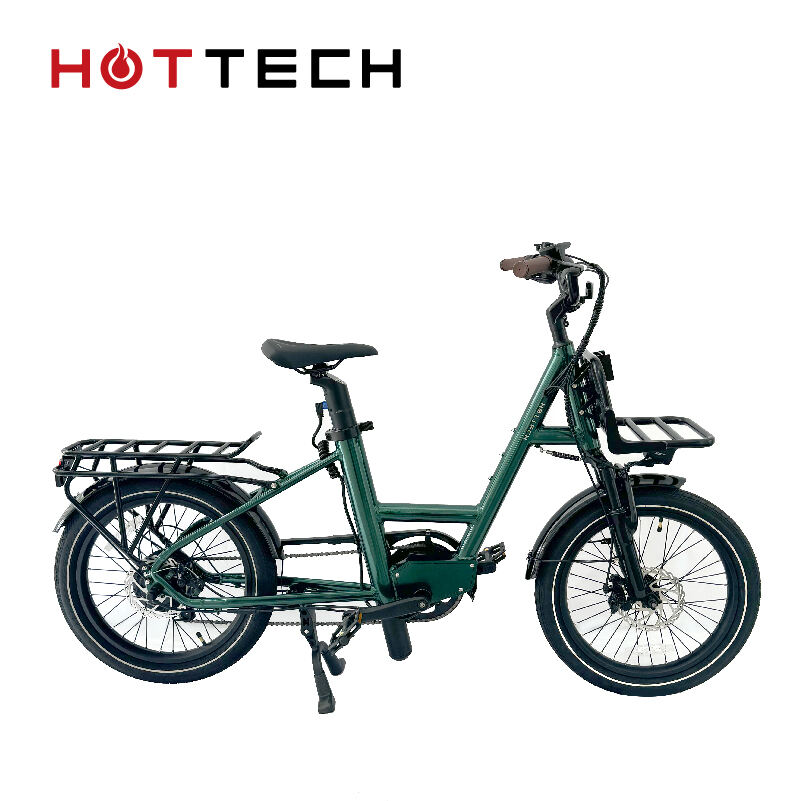
Understanding Cargo E-bike Technology and Design
Electric Motor Systems and Battery Performance
The foundation of effective cargo e-bikes lies in their sophisticated electric motor systems, which provide the necessary power assistance to handle additional weight from passengers and cargo. Modern cargo e-bikes typically feature mid-drive or hub-mounted motors ranging from 250 watts to 750 watts, offering sufficient torque to navigate hills and carry substantial loads. Battery technology has evolved significantly, with lithium-ion systems providing 400-700 watt-hours of capacity, enabling ranges of 30-80 miles depending on terrain and assistance levels. The integration of regenerative braking systems in some models further extends battery life while providing enhanced safety during descent with heavy loads.
Advanced cargo e-bikes incorporate intelligent power management systems that automatically adjust assistance based on pedaling force, terrain gradient, and load weight. These systems ensure optimal battery utilization while maintaining consistent performance throughout the journey. Many models feature multiple assistance levels, allowing riders to customize power delivery based on specific transport requirements and desired exercise intensity. The placement of battery systems within the frame design maintains low center of gravity while protecting critical components from weather and impact damage.
Cargo Configuration and Load Distribution
Effective cargo e-bikes employ carefully engineered load distribution systems that maintain stability and handling characteristics even when fully loaded with children or supplies. Front-loading cargo bikes feature extended wheelbase designs with cargo areas positioned between the handlebars and front wheel, providing excellent visibility of transported children while maintaining balanced weight distribution. Rear-loading configurations utilize reinforced frames and extended rear sections to accommodate bench seating or cargo boxes without compromising steering responsiveness.
The structural integrity of cargo e-bikes requires specialized frame materials and construction techniques to handle dynamic loads that exceed traditional bicycle specifications. Aluminum alloy and steel frame construction provides the necessary strength while maintaining reasonable overall weight. Cargo compartments feature integrated safety systems including harnesses, weather protection, and cushioned seating designed specifically for child passengers. Load capacity typically ranges from 100 to 400 pounds, enabling transport of multiple children plus additional cargo for shopping or recreational activities.
Practical Applications for Family Transportation
School Commuting and Daily Routines
Cargo e-bikes excel in replacing car trips for school commuting, offering families a reliable and engaging alternative to traditional drop-off routines. The electric assistance eliminates concerns about physical exertion during morning commutes while ensuring punctual arrival regardless of weather conditions or route topography. Many families find that cargo e-bikes transform the school commute into quality family time, providing opportunities for conversation and shared experiences that are impossible during car transportation.
The flexibility of cargo e-bikes enables multiple-stop efficiency during daily routines, allowing parents to combine school drop-offs with grocery shopping, errands, or extracurricular activity transportation. This consolidation of trips reduces overall transportation time while eliminating the stress associated with urban parking and traffic navigation. The weather protection systems available on modern cargo e-bikes ensure year-round usability, with enclosed cargo areas and canopy systems providing comfort in various environmental conditions.
Shopping and Errand Integration
The cargo capacity of modern e-bikes transforms grocery shopping and errand running into efficient, single-trip activities that eliminate the need for multiple car journeys. Specialized cargo containers and pannier systems provide secure storage for groceries, supplies, and personal items while maintaining optimal weight distribution and handling characteristics. The electric assistance ensures that even heavily loaded cargo e-bikes remain manageable and enjoyable to operate, encouraging regular use for practical transportation needs.
Integration with modern retail environments has improved significantly, with many stores providing dedicated bicycle parking and charging stations for cargo e-bikes. The compact footprint and maneuverability of these vehicles enable access to locations where car parking is limited or expensive, providing economic advantages in addition to environmental benefits. The ability to park directly adjacent to destinations eliminates walking distances and weather exposure associated with distant parking locations.
Environmental and Economic Advantages
Carbon Footprint Reduction and Sustainability
The environmental impact of replacing car trips with cargo e-bikes is substantial, particularly considering that short-distance family transport represents a significant portion of urban vehicle emissions. Studies indicate that cargo e-bikes produce approximately 95% fewer carbon emissions compared to equivalent car trips when considering manufacturing, energy consumption, and maintenance lifecycle impacts. The electricity required to charge cargo e-bike batteries represents a fraction of the energy consumption associated with internal combustion engines, even when accounting for power generation sources.
Long-term sustainability benefits extend beyond immediate emission reductions, as cargo e-bikes contribute to reduced urban air pollution, decreased noise levels, and minimized infrastructure wear. The manufacturing environmental impact of cargo e-bikes is significantly lower than automobiles, requiring fewer raw materials and generating less industrial waste during production. Battery recycling programs and component longevity further enhance the sustainability profile of electric cargo transportation systems.
Cost Analysis and Economic Benefits
The economic advantages of cargo e-bikes become apparent when comparing total ownership costs with automobile expenses including purchase price, insurance, fuel, maintenance, and parking fees. Initial investment in quality cargo e-bikes typically ranges from $3,000 to $8,000, representing a fraction of new vehicle costs while providing comparable transportation functionality for short-distance family needs. Operating expenses are minimal, with electricity costs averaging $0.05-$0.15 per mile compared to $0.50-$0.75 per mile for gasoline vehicles.
Maintenance requirements for cargo e-bikes are substantially lower than automobiles, with routine service focusing on tire replacement, brake adjustment, and periodic battery maintenance. The absence of complex mechanical systems, oil changes, and emissions equipment reduces both maintenance frequency and cost. Insurance costs are negligible compared to automobile coverage, and many regions offer tax incentives or purchase rebates for electric bicycle adoption, further improving economic attractiveness.
Safety Considerations and Best Practices
Traffic Integration and Route Planning
Successful integration of cargo e-bikes into family transportation requires careful consideration of traffic patterns, route selection, and safety protocols. Modern urban planning increasingly accommodates bicycle infrastructure, with dedicated lanes, protected intersections, and traffic signal timing designed for cargo e-bike operations. Route planning applications specifically designed for cargo e-bikes consider factors including gradient, traffic volume, and infrastructure quality to optimize safety and efficiency.
Visibility enhancement systems including LED lighting, reflective materials, and flag indicators ensure that cargo e-bikes remain conspicuous in mixed traffic environments. The larger profile of cargo e-bikes compared to traditional bicycles actually improves visibility to motorists while providing greater stability during operation. Training programs and certification courses help families develop appropriate skills and confidence for safe cargo e-bike operation in various traffic conditions.
Child Safety and Comfort Systems
Modern cargo e-bikes incorporate comprehensive safety systems designed specifically for child passenger protection, including multi-point harness systems, impact-resistant seating, and emergency communication devices. Weather protection systems ensure child comfort across seasonal conditions while maintaining adequate ventilation and visibility. The low center of gravity and stable platform design of cargo e-bikes provides inherently safer transportation compared to traditional bicycle child seats or trailers.
Safety protocol development for family cargo e-bike use includes establishing communication methods, emergency procedures, and age-appropriate passenger responsibilities. Many families implement graduated introduction programs that allow children to become comfortable with cargo e-bike transportation while developing understanding of traffic awareness and safety requirements. The enclosed nature of many cargo compartments provides psychological comfort for children while offering physical protection from environmental elements.
Technology Integration and Smart Features
Connectivity and Navigation Systems
Contemporary cargo e-bikes integrate sophisticated technology systems that enhance functionality, safety, and user experience through smartphone connectivity and integrated navigation capabilities. GPS tracking systems provide real-time location monitoring, route optimization, and theft protection through mobile applications that enable remote monitoring and control. Integrated display systems provide battery status, speed, range estimation, and navigation guidance without requiring separate devices.
Smart charging systems optimize battery performance through automated charging protocols that prevent overcharging while maintaining optimal battery health over extended operational periods. Some models feature solar charging integration and regenerative systems that extend range and reduce grid electricity dependence. Connectivity with smart home systems enables integration with family scheduling, weather monitoring, and transportation coordination applications.
Performance Monitoring and Optimization
Advanced cargo e-bikes provide comprehensive performance monitoring that tracks usage patterns, efficiency metrics, and maintenance requirements through integrated sensor systems. Data analytics help families optimize transportation patterns, identify cost savings opportunities, and plan maintenance schedules for maximum reliability. Performance optimization algorithms automatically adjust motor assistance and battery management based on historical usage patterns and real-time conditions.
Predictive maintenance systems monitor component wear, battery health, and system performance to provide early warning of potential issues before they impact transportation reliability. Integration with service providers enables automated scheduling of maintenance appointments and parts ordering based on actual usage patterns rather than arbitrary time intervals. These systems ensure that cargo e-bikes remain reliable transportation alternatives throughout their operational lifecycle.
Community Impact and Infrastructure Development
Urban Planning and Policy Considerations
The adoption of cargo e-bikes for family transportation drives infrastructure development and policy changes that benefit entire communities through improved bicycle facilities, traffic management systems, and environmental quality. Municipal governments increasingly recognize the role of cargo e-bikes in reducing traffic congestion and improving air quality, leading to investment in protected bicycle lanes, charging infrastructure, and parking facilities designed specifically for larger electric bicycles.
Policy development supports cargo e-bike adoption through purchase incentives, infrastructure investment, and regulatory frameworks that accommodate the unique characteristics of electric cargo transportation. Integration with public transportation systems creates multimodal connectivity that extends the effective range and utility of cargo e-bikes while reducing overall transportation system load. Community planning processes increasingly consider cargo e-bike requirements in residential development and commercial area design.
Social and Cultural Transformation
The growing presence of cargo e-bikes in family transportation creates positive social impacts including increased community interaction, improved public health outcomes, and enhanced neighborhood connectivity. Families using cargo e-bikes report increased social engagement with neighbors and local businesses due to the slower pace and accessible nature of bicycle transportation. This transformation contributes to stronger community bonds and more vibrant local commercial areas.
Cultural shifts toward sustainable transportation create momentum for broader environmental consciousness and community resilience. Children transported via cargo e-bikes develop different relationships with their environment, gaining appreciation for sustainable transportation and active lifestyle choices. The visibility of families using cargo e-bikes encourages other households to consider alternative transportation options, creating positive feedback loops that accelerate adoption rates and community transformation.
FAQ
What age ranges are appropriate for children riding in cargo e-bikes
Children from approximately 9 months to 8 years old can safely ride as passengers in appropriately equipped cargo e-bikes, depending on the specific seating configuration and safety systems. Infant passengers require specialized seating systems with proper head and neck support, while older children can use standard bench seating with appropriate harness systems. Weight limits typically accommodate multiple children up to combined weights of 100-200 pounds depending on the specific cargo e-bike model and configuration.
How do cargo e-bikes perform in various weather conditions
Modern cargo e-bikes are designed for year-round operation with weather protection systems including canopies, windshields, and enclosed cargo compartments that provide protection from rain, snow, and wind. Electric systems are weatherproofed to operate safely in wet conditions, though extreme cold can reduce battery performance and range. Many families successfully use cargo e-bikes throughout winter months with appropriate clothing and equipment, finding that the electric assistance makes cold weather operation more comfortable than traditional bicycles.
What maintenance requirements should families expect with cargo e-bikes
Cargo e-bike maintenance involves routine bicycle servicing including tire pressure checks, brake adjustments, and chain maintenance, plus electrical system care including battery charging protocols and connection cleaning. Professional service is recommended annually or every 1,000-2,000 miles, focusing on electrical system inspection, brake servicing, and frame integrity checks. Battery replacement typically occurs every 3-5 years depending on usage patterns, with costs ranging from $500-$1,500 for complete battery replacement.
How do cargo e-bikes compare to traditional bicycles for family transportation
Cargo e-bikes provide significant advantages over traditional bicycles for family transportation including electric assistance that eliminates physical strain when carrying children and cargo, weather protection systems, and enhanced stability due to specialized frame design. The initial cost is substantially higher than traditional bicycles, but the increased functionality and year-round usability make cargo e-bikes more practical replacements for car trips. Range and speed capabilities enable longer distance family transportation that would be impractical with traditional bicycles, especially when loaded with children and supplies.