
 EN
EN
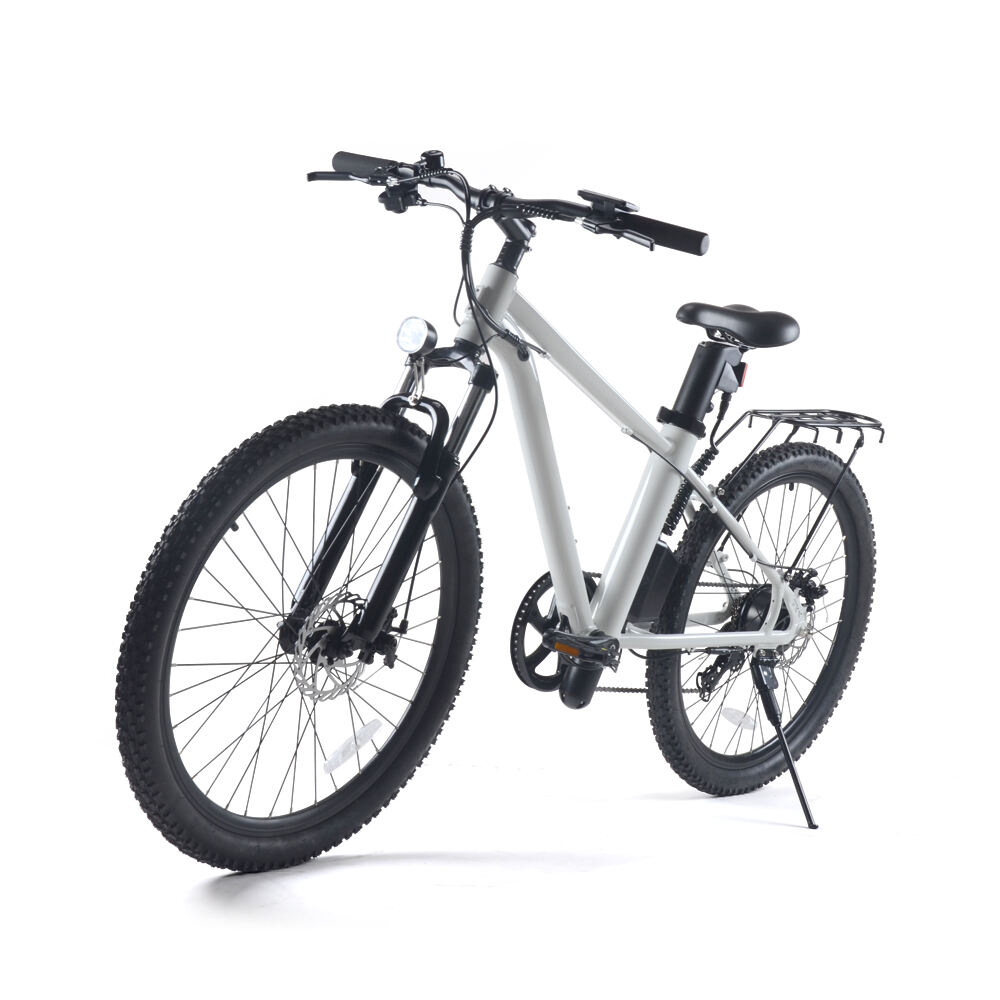
Adventure cyclists are constantly seeking ways to enhance their outdoor experiences, and mountain e-bikes have emerged as game-changing equipment that revolutionizes how riders tackle challenging terrain. These powerful machines combine traditional cycling with electric assistance, enabling cyclists to conquer steeper climbs, cover greater distances, and explore previously inaccessible trails. The integration of electric motors with rugged mountain bike designs has opened up new possibilities for both seasoned cyclists and newcomers to the sport. Understanding how mountain e-bikes can elevate performance requires examining their technological advantages, practical benefits, and real-world applications in various adventure cycling scenarios.
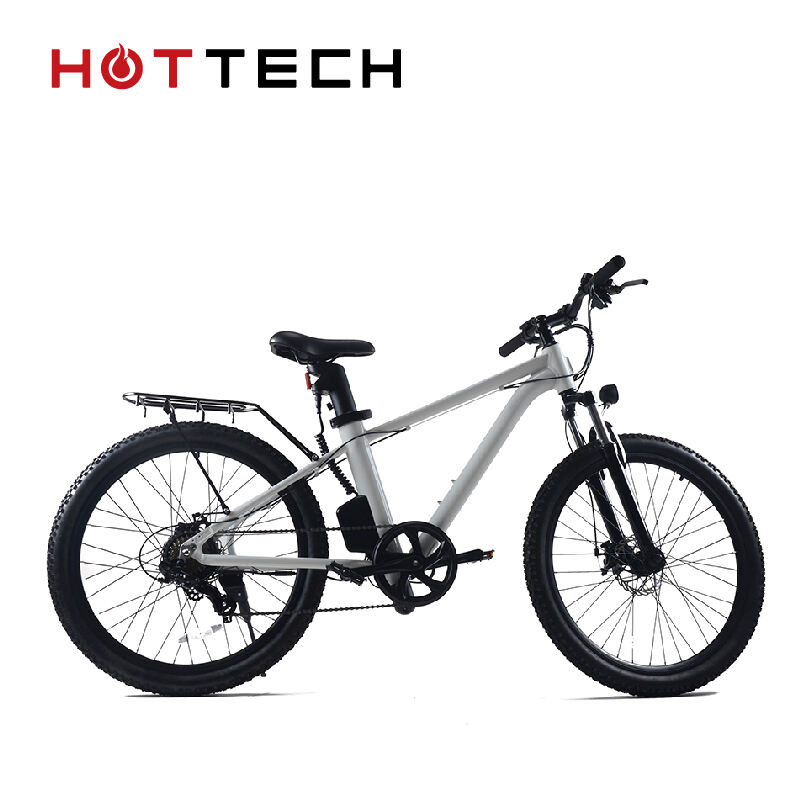
Enhanced Climbing Capabilities and Power Assistance
Motor Technology in Mountain E-bikes
The heart of mountain e-bikes lies in their sophisticated motor systems that provide crucial assistance during demanding climbs. Modern electric mountain bikes feature high-torque motors positioned either at the hub or mid-drive location, delivering power precisely when cyclists need it most. Mid-drive motors have become particularly popular because they work in harmony with the bike's existing gears, providing natural-feeling assistance that responds to the rider's pedaling effort. These systems can generate substantial torque output, often exceeding 80 Newton-meters, which translates to significant climbing power on steep gradients.
The power delivery in mountain e-bikes is calibrated to complement human effort rather than replace it entirely. Advanced sensors monitor pedaling force, cadence, and speed to determine the optimal level of assistance. This intelligent power management ensures that riders maintain an active role in propulsion while benefiting from electric support during challenging sections. The result is a riding experience that feels amplified rather than artificial, allowing cyclists to maintain their fitness goals while exploring more demanding terrain.
Battery Performance and Range Optimization
Battery technology has advanced significantly in recent years, with modern mountain e-bikes featuring lithium-ion batteries that offer impressive capacity and longevity. High-quality systems can provide 400-700 watt-hours of energy, translating to 30-80 miles of riding range depending on terrain, assistance level, and rider input. This extended range capability enables adventure cyclists to plan longer expeditions without worrying about power depletion in remote areas.
Smart battery management systems optimize power consumption by adjusting assistance levels based on remaining capacity and riding conditions. Many mountain e-bikes include multiple power modes, allowing riders to conserve battery life during easier sections and maximize assistance when tackling technical climbs. These sophisticated energy management features ensure that cyclists can complete their planned adventures while maintaining adequate power reserves for unexpected challenges or emergency situations.
Terrain Adaptability and Technical Performance
Suspension Systems and Handling
Mountain e-bikes incorporate advanced suspension technologies specifically designed to handle the additional weight and forces generated by electric systems. Full-suspension designs with front and rear shock absorption provide superior comfort and control on rough terrain, allowing riders to maintain momentum over obstacles that might otherwise require dismounting. The suspension geometry is carefully tuned to accommodate the electric components while preserving the agile handling characteristics that adventure cyclists demand.
The increased weight of mountain e-bikes, typically 45-60 pounds compared to 25-35 pounds for traditional mountain bikes, actually provides certain advantages in technical terrain. The additional mass creates greater momentum on descents and improved stability when navigating loose surfaces or challenging trail conditions. However, modern engineering has minimized the handling penalties through optimized weight distribution and advanced frame designs that maintain responsive steering and maneuverability.
Traction and Control Systems
Advanced traction control features in mountain e-bikes help riders maintain control in challenging conditions by preventing wheel spin and optimizing power delivery. These systems monitor wheel speed and terrain conditions to adjust motor output automatically, ensuring that power is delivered smoothly and efficiently. The result is improved climbing performance on loose surfaces and better overall control during technical maneuvers.
Many mountain e-bikes feature specialized tire compounds and tread patterns optimized for electric-assisted riding. These tires provide enhanced grip and durability to handle the increased torque and power delivery from electric motors. The combination of advanced tire technology and intelligent traction control systems enables riders to tackle previously impossible climbs and navigate technical terrain with greater confidence and success.
Extended Adventure Opportunities
Range and Exploration Benefits
Mountain e-bikes dramatically expand the geographical scope of adventure cycling by enabling riders to cover greater distances with less physical fatigue. This extended range capability opens up new possibilities for multi-day touring, backcountry exploration, and access to remote trail systems that might be too demanding for traditional bicycles. Adventure cyclists can now plan ambitious routes that incorporate challenging climbs, technical descents, and extended wilderness sections without worrying about physical limitations or time constraints.
The ability to maintain higher average speeds on climbs means that mountain e-bikes allow riders to complete loop routes and out-and-back adventures in significantly less time. This efficiency gain translates to more time for enjoying scenic overlooks, photography, camping, and other adventure activities. Riders can also tackle multiple trail systems in a single day, maximizing their outdoor experiences and exploring diverse terrain types during limited vacation time.
Group Riding and Accessibility
Mountain e-bikes have revolutionized group riding dynamics by allowing cyclists with different fitness levels to ride together comfortably. Less experienced or older riders can use electric assistance to keep pace with stronger cyclists, eliminating the frustration of being left behind on challenging climbs. This inclusivity has expanded the adventure cycling community and enabled more people to participate in outdoor activities that were previously beyond their physical capabilities.
The equalizing effect of electric assistance means that group rides can focus on the adventure experience rather than athletic performance. Mixed-ability groups can tackle ambitious routes together, sharing the excitement of exploration and discovery without the traditional concerns about fitness disparities. This social aspect has contributed significantly to the growing popularity of mountain e-bikes among adventure cycling enthusiasts.
Performance Training and Fitness Benefits
Customizable Workout Intensity
Contrary to common misconceptions, mountain e-bikes can provide excellent fitness benefits when used appropriately. The adjustable assistance levels allow riders to customize their workout intensity, using minimal assistance for maximum physical effort or higher assistance levels for recovery rides. This flexibility enables cyclists to maintain consistent training schedules regardless of weather conditions, energy levels, or time constraints.
Studies have shown that mountain e-bikes users still achieve significant cardiovascular benefits and caloric expenditure, particularly during longer rides that might not be feasible on traditional bicycles. The extended riding time enabled by electric assistance often compensates for any reduction in instantaneous power output, resulting in comparable or superior overall fitness gains. Adventure cyclists can use mountain e-bikes strategically to build endurance, explore new training routes, and maintain motivation through varied and exciting riding experiences.
Recovery and Injury Prevention
Mountain e-bikes serve as valuable tools for active recovery and injury rehabilitation, allowing cyclists to maintain their passion for adventure cycling while managing physical limitations or recovering from injuries. The electric assistance reduces stress on joints, muscles, and cardiovascular systems while still providing meaningful exercise and outdoor exposure. This capability is particularly valuable for aging adventure cyclists who want to continue exploring challenging terrain despite declining physical capabilities.
The ability to adjust assistance levels throughout a ride enables cyclists to manage fatigue proactively and prevent overexertion that might lead to injuries or burnout. Riders can start with higher assistance levels when fresh and gradually reduce support as they warm up, or increase assistance when fatigue sets in during longer adventures. This dynamic control helps maintain safe and sustainable riding practices while preserving the joy and excitement of mountain cycling.
Technical Innovation and Future Developments
Smart Technology Integration
Modern mountain e-bikes increasingly incorporate smart technology features that enhance the adventure cycling experience through connectivity and data analysis. Integrated GPS systems, smartphone connectivity, and ride tracking capabilities provide valuable information about performance, route planning, and safety monitoring. These features enable cyclists to document their adventures, share experiences with others, and analyze performance data for continuous improvement.
Advanced mountain e-bikes may include features such as theft protection, remote diagnostics, and over-the-air software updates that improve functionality and security. These connected capabilities transform mountain e-bikes into sophisticated adventure platforms that adapt and evolve with changing user needs and technological advancements. The integration of artificial intelligence and machine learning algorithms promises even more personalized and optimized riding experiences in future generations of mountain e-bikes.
Sustainability and Environmental Impact
Mountain e-bikes represent a sustainable approach to adventure cycling that reduces environmental impact compared to motorized alternatives while expanding access to natural areas. The electric propulsion system produces zero direct emissions and can be powered by renewable energy sources, making it an environmentally responsible choice for outdoor recreation. This sustainability aspect appeals to environmentally conscious adventure cyclists who want to minimize their ecological footprint while enjoying outdoor experiences.
The durability and longevity of modern mountain e-bikes, combined with recyclable battery technologies and sustainable manufacturing practices, contribute to their overall environmental benefits. As battery technology continues to improve and renewable energy becomes more prevalent, mountain e-bikes will become even more sustainable options for adventure cycling. This environmental consideration adds another dimension to the performance benefits that mountain e-bikes provide to adventure cyclists.
FAQ
How much do mountain e-bikes typically weigh compared to traditional mountain bikes
Mountain e-bikes typically weigh between 45-60 pounds, which is approximately 15-25 pounds heavier than traditional mountain bikes that usually weigh 25-35 pounds. This additional weight comes from the electric motor, battery, and reinforced frame components. However, modern engineering has optimized weight distribution and frame geometry to minimize handling penalties, and the electric assistance more than compensates for the extra weight during climbs and challenging terrain.
What is the average range and battery life of mountain e-bikes
The range of mountain e-bikes varies significantly based on factors such as terrain, assistance level, rider weight, and weather conditions. Most modern systems provide 30-80 miles of range, with high-capacity batteries offering 400-700 watt-hours of energy. Battery life typically extends 3-5 years with proper care and maintenance, and many systems include intelligent power management features that optimize energy consumption based on riding conditions and remaining capacity.
Are mountain e-bikes suitable for technical trail riding and extreme terrain
Yes, mountain e-bikes are specifically designed for technical trail riding and can handle extreme terrain effectively. They feature robust suspension systems, reinforced frames, and specialized components designed to withstand the additional forces generated by electric propulsion. Many mountain e-bikes include advanced traction control systems and are equipped with aggressive tire treads that provide excellent grip on challenging surfaces, making them suitable for expert-level trail riding.
How do mountain e-bikes compare to traditional bikes in terms of maintenance requirements
Mountain e-bikes require similar mechanical maintenance to traditional mountain bikes, with additional attention needed for electrical components such as the motor, battery, and control systems. Regular maintenance includes standard bicycle care like chain lubrication, brake adjustments, and tire pressure checks, plus periodic battery conditioning and software updates. While the initial learning curve may be steeper, most maintenance tasks are straightforward, and the electrical systems are designed for reliability and longevity with minimal intervention.
Table of Contents
- Enhanced Climbing Capabilities and Power Assistance
- Terrain Adaptability and Technical Performance
- Extended Adventure Opportunities
- Performance Training and Fitness Benefits
- Technical Innovation and Future Developments
-
FAQ
- How much do mountain e-bikes typically weigh compared to traditional mountain bikes
- What is the average range and battery life of mountain e-bikes
- Are mountain e-bikes suitable for technical trail riding and extreme terrain
- How do mountain e-bikes compare to traditional bikes in terms of maintenance requirements