
 EN
EN
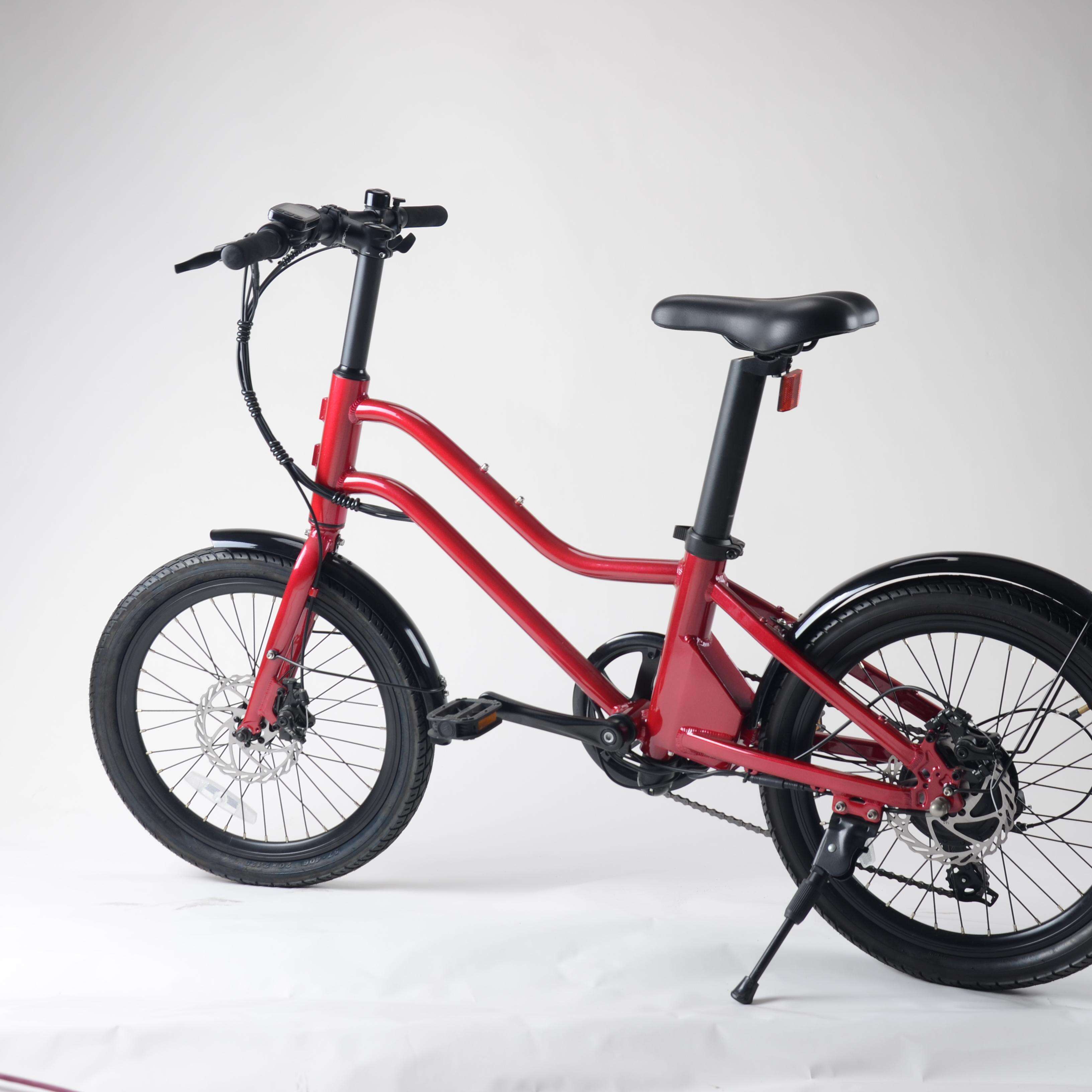
Modern urban logistics and personal transportation have undergone a revolutionary transformation with the emergence of cargo e-bikes. These innovative electric bicycles represent a perfect fusion of traditional cycling mechanics and cutting-edge electric propulsion technology, designed specifically to handle substantial loads while maintaining exceptional stability. Unlike conventional bicycles that struggle with heavy cargo or traditional electric bikes that prioritize passenger comfort over hauling capacity, cargo e-bikes deliver an optimal balance between functionality and performance. The engineering behind these vehicles addresses fundamental challenges that have long plagued urban delivery services, family transportation needs, and commercial applications where traditional vehicles prove inefficient or impractical.
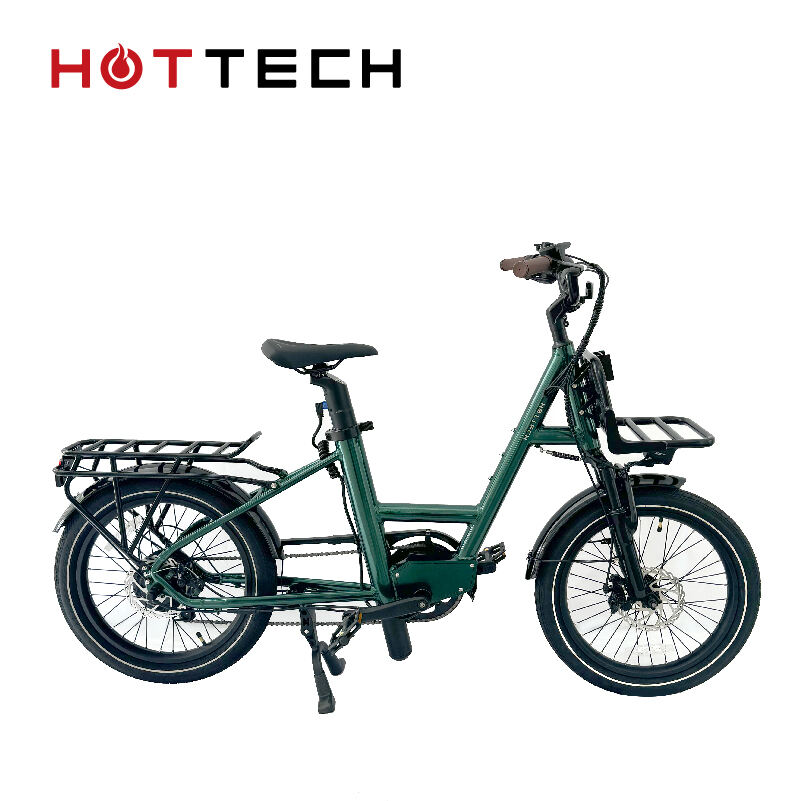
Advanced Frame Engineering for Enhanced Load Distribution
Reinforced Frame Construction Principles
The foundation of superior load capacity in cargo e-bikes begins with revolutionary frame engineering that fundamentally reimagines bicycle construction principles. Traditional bicycle frames prioritize lightweight materials and aerodynamic efficiency, but cargo e-bikes employ reinforced aluminum alloys, high-tensile steel, or advanced carbon fiber composites that can withstand significantly higher stress loads. These materials undergo specialized heat treatment processes and structural reinforcement techniques that increase their load-bearing capacity by up to 300% compared to standard bicycle frames. The frame geometry itself features extended wheelbase configurations, lowered center of gravity designs, and strategically positioned load distribution points that ensure weight is evenly dispersed across the entire structure rather than concentrated at specific stress points.
Strategic Weight Distribution Mechanisms
Effective weight distribution in cargo e-bikes involves sophisticated engineering calculations that account for dynamic load shifting during acceleration, braking, and cornering maneuvers. The placement of cargo compartments, battery systems, and motor components follows precise mathematical models that optimize the vehicle's center of gravity while maintaining stability across various load conditions. Advanced cargo e-bikes incorporate adjustable mounting systems that allow users to modify cargo positioning based on specific hauling requirements, ensuring optimal weight distribution regardless of load type or quantity. These mechanisms include sliding rail systems, adjustable platform heights, and modular cargo attachment points that accommodate everything from grocery deliveries to construction materials transport.
Innovative Wheel Configuration and Suspension Systems
Multi-Wheel Stability Solutions
The evolution of cargo e-bikes has introduced innovative wheel configurations that dramatically enhance stability while supporting increased load capacities. Three-wheel and four-wheel cargo e-bike designs eliminate the inherent instability issues associated with traditional two-wheel bicycles when carrying heavy loads. These multi-wheel systems distribute weight across multiple contact points with the ground, reducing individual tire pressure and improving overall traction. The triangulated or rectangular wheel arrangements create a stable platform that remains balanced even when stationary, eliminating the need for riders to maintain balance while loading or unloading cargo. Advanced differential systems in multi-wheel cargo e-bikes ensure smooth cornering and prevent wheel scrubbing during turns.
Adaptive Suspension Technology
Modern cargo e-bikes incorporate sophisticated suspension systems that automatically adjust to varying load conditions, maintaining optimal ride quality and stability regardless of cargo weight. These adaptive suspension mechanisms utilize pneumatic, hydraulic, or electronic adjustment systems that monitor load distribution in real-time and modify suspension stiffness accordingly. When cargo e-bikes carry light loads, the suspension provides comfortable ride characteristics similar to conventional bicycles. As load weight increases, the system automatically stiffens to prevent excessive suspension compression while maintaining adequate shock absorption for rider comfort and cargo protection. Some advanced models feature independent suspension systems for front and rear sections, allowing each wheel to respond individually to terrain variations while maintaining overall vehicle stability.
Electric Motor Integration and Power Management
High-Torque Motor Systems
The electric propulsion systems in cargo e-bikes represent a significant advancement over standard e-bike motors, incorporating high-torque designs specifically engineered to handle increased load demands. These motors typically generate 50% to 100% more torque than conventional e-bike motors, ensuring adequate power delivery even when fully loaded. The motor placement in cargo e-bikes follows strategic positioning principles that optimize power transfer while maintaining vehicle balance. Mid-drive motor configurations provide superior weight distribution and more efficient power delivery to the drivetrain, while hub motors in multi-wheel designs offer independent wheel control for enhanced stability and maneuverability.
Intelligent Power Distribution Systems
Advanced cargo e-bikes employ intelligent power management systems that automatically adjust motor output based on load conditions, terrain requirements, and battery capacity. These systems utilize multiple sensors to monitor vehicle speed, load weight, incline angles, and rider input to optimize power delivery for maximum efficiency and performance. When carrying heavy loads uphill, the system increases motor assistance to maintain consistent speed and reduce rider effort. During downhill descents or light load conditions, the power management system reduces motor output to conserve battery life and prevent excessive acceleration. Some models feature regenerative braking systems that capture kinetic energy during deceleration and convert it back to electrical energy for extended range.
Aerodynamic Design and Stability Enhancement
Wind Resistance Management
The aerodynamic challenges faced by cargo e-bikes differ significantly from those encountered by conventional bicycles due to their larger profile and cargo-carrying configurations. Engineers have developed specialized fairing systems, streamlined cargo compartment designs, and integrated wind deflection technologies that minimize air resistance while maintaining stability in crosswind conditions. These aerodynamic improvements reduce the overall power requirements for maintaining speed, extending battery range and improving efficiency. The cargo compartment designs incorporate wind-channeling features that direct airflow around and over the load area, preventing turbulence that could affect vehicle stability or cargo security during high-speed operation.
Active Stability Control Systems
Modern cargo e-bikes integrate active stability control systems that continuously monitor vehicle dynamics and make real-time adjustments to maintain optimal stability. These systems utilize gyroscopic sensors, accelerometers, and electronic stability control algorithms to detect potential instability conditions and automatically apply corrective measures. When the system detects lateral movement or potential tipping conditions, it can adjust motor power distribution, activate selective braking systems, or modify steering response to maintain vehicle control. These active safety systems are particularly beneficial when cargo e-bikes operate in challenging conditions such as wet surfaces, uneven terrain, or emergency maneuvering situations.
Braking Systems and Safety Mechanisms
Enhanced Braking Power and Control
The increased mass and momentum of loaded cargo e-bikes necessitate significantly more powerful braking systems than those found on conventional bicycles. Advanced cargo e-bikes incorporate hydraulic disc brake systems with larger rotor diameters, multi-piston calipers, and heat dissipation features that maintain consistent braking performance under heavy load conditions. These braking systems often include electronic brake force distribution that automatically adjusts braking power between front and rear wheels based on load conditions and deceleration requirements. Some models feature regenerative braking integration that combines traditional friction braking with motor-based energy recovery for improved efficiency and extended brake component life.
Safety Integration and Monitoring Systems
Comprehensive safety systems in cargo e-bikes extend beyond basic braking and lighting to include advanced monitoring and warning systems that enhance operational safety. These systems monitor critical parameters such as load weight, battery status, motor temperature, and brake performance to alert operators to potential safety concerns before they become critical issues. Integrated lighting systems provide enhanced visibility with automatic brightness adjustment based on ambient conditions, while turn signal systems and hazard warning capabilities improve communication with other traffic participants. Some advanced models include backup alarm systems for reverse operation and proximity sensors that alert operators to nearby obstacles or pedestrians.
Battery Technology and Range Optimization
High-Capacity Battery Systems
The power requirements of cargo e-bikes demand sophisticated battery technologies that provide extended range while maintaining reasonable weight and size constraints. Modern cargo e-bikes utilize high-density lithium-ion battery packs with capacities ranging from 500Wh to over 1000Wh, significantly exceeding the battery capacity of conventional e-bikes. These battery systems incorporate advanced cell management technologies that monitor individual cell performance, optimize charging cycles, and prevent overheating or overcharging conditions. The battery placement in cargo e-bikes follows strategic positioning principles that maintain vehicle balance while providing protection from impact damage and environmental exposure.
Charging Infrastructure and Management
Advanced charging systems in cargo e-bikes support rapid charging capabilities and intelligent charging management that optimizes battery life and performance. Fast-charging systems can replenish battery capacity to 80% in under two hours, while standard charging systems provide full battery restoration overnight. Some cargo e-bikes feature removable battery systems that allow operators to maintain continuous operation by swapping depleted batteries for fully charged units. Smart charging management systems monitor battery condition, adjust charging parameters based on ambient temperature and usage patterns, and provide predictive maintenance alerts to ensure optimal battery performance throughout the vehicle's operational life.
Practical Applications and Industry Implementation
Commercial Delivery and Logistics
The commercial adoption of cargo e-bikes has revolutionized urban delivery services by providing efficient, cost-effective, and environmentally sustainable transportation solutions for last-mile logistics. Major delivery companies have integrated cargo e-bikes into their fleets for package delivery, food service, and specialized cargo transport applications. These vehicles can navigate congested urban areas more efficiently than traditional delivery trucks while providing access to pedestrian zones and restricted traffic areas. The operational cost advantages include reduced fuel expenses, minimal maintenance requirements, and lower insurance costs compared to conventional delivery vehicles. Cargo e-bikes can handle delivery loads up to 200 kilograms while maintaining speeds comparable to urban traffic conditions.
Family Transportation and Personal Use
Personal and family applications of cargo e-bikes have expanded significantly as consumers recognize the practical advantages for daily transportation needs. Family cargo e-bikes can safely transport multiple children, groceries, sports equipment, and other household items while providing an environmentally friendly alternative to automobile transportation. The enclosed cabin designs available on some models provide weather protection and safety features that make cargo e-bikes suitable for year-round family transportation. Urban families find cargo e-bikes particularly valuable for school transportation, recreational activities, and routine shopping trips where parking availability and traffic congestion make automobile use impractical.
FAQ
What is the maximum load capacity of modern cargo e-bikes?
Modern cargo e-bikes typically support load capacities ranging from 80 to 200 kilograms, depending on their design configuration and construction materials. Commercial-grade models can handle even higher loads, with some specialized designs supporting up to 300 kilograms. The actual load capacity depends on factors such as frame construction, wheel configuration, motor power, and braking system specifications. It's important to note that load capacity includes both cargo weight and rider weight, so users should calculate total system weight when determining appropriate loading limits.
How do cargo e-bikes maintain stability with heavy loads?
Cargo e-bikes maintain stability through a combination of engineering solutions including extended wheelbase designs, lowered center of gravity configurations, and multi-wheel stability systems. Advanced suspension systems automatically adjust to load conditions, while active stability control systems monitor vehicle dynamics and apply corrective measures when needed. The strategic placement of batteries, motors, and cargo compartments ensures optimal weight distribution that maintains stability across various load conditions and operating scenarios.
What is the typical range of cargo e-bikes when fully loaded?
The range of cargo e-bikes when fully loaded typically ranges from 40 to 80 kilometers on a single charge, depending on battery capacity, motor efficiency, terrain conditions, and load weight. Factors that affect range include rider assistance level, weather conditions, tire pressure, and route topography. Many models feature range prediction systems that provide real-time estimates based on current operating conditions, helping users plan trips and charging requirements effectively.
Are cargo e-bikes suitable for hilly terrain with heavy loads?
Yes, cargo e-bikes are specifically designed to handle hilly terrain while carrying heavy loads through high-torque motor systems and intelligent power management. Mid-drive motors provide superior hill-climbing performance by utilizing the bicycle's gear system, while powerful battery systems ensure adequate energy supply for sustained hill climbing. Advanced models feature hill-start assistance and gradient-responsive power delivery that automatically adjusts motor output based on incline angles and load conditions, making them highly capable in challenging topographical environments.
Table of Contents
- Advanced Frame Engineering for Enhanced Load Distribution
- Innovative Wheel Configuration and Suspension Systems
- Electric Motor Integration and Power Management
- Aerodynamic Design and Stability Enhancement
- Braking Systems and Safety Mechanisms
- Battery Technology and Range Optimization
- Practical Applications and Industry Implementation
- FAQ