
 EN
EN

The evolution of mountain electric bike technology has reached an unprecedented level of sophistication in recent years, transforming how riders experience off-road adventures. Modern mountain electric bike designs incorporate cutting-edge geometry principles and advanced component technologies that enhance performance, comfort, and safety across diverse terrain conditions. These innovations represent a significant departure from traditional bicycle engineering, as manufacturers integrate powerful electric drive systems while maintaining the agility and durability that mountain biking demands.
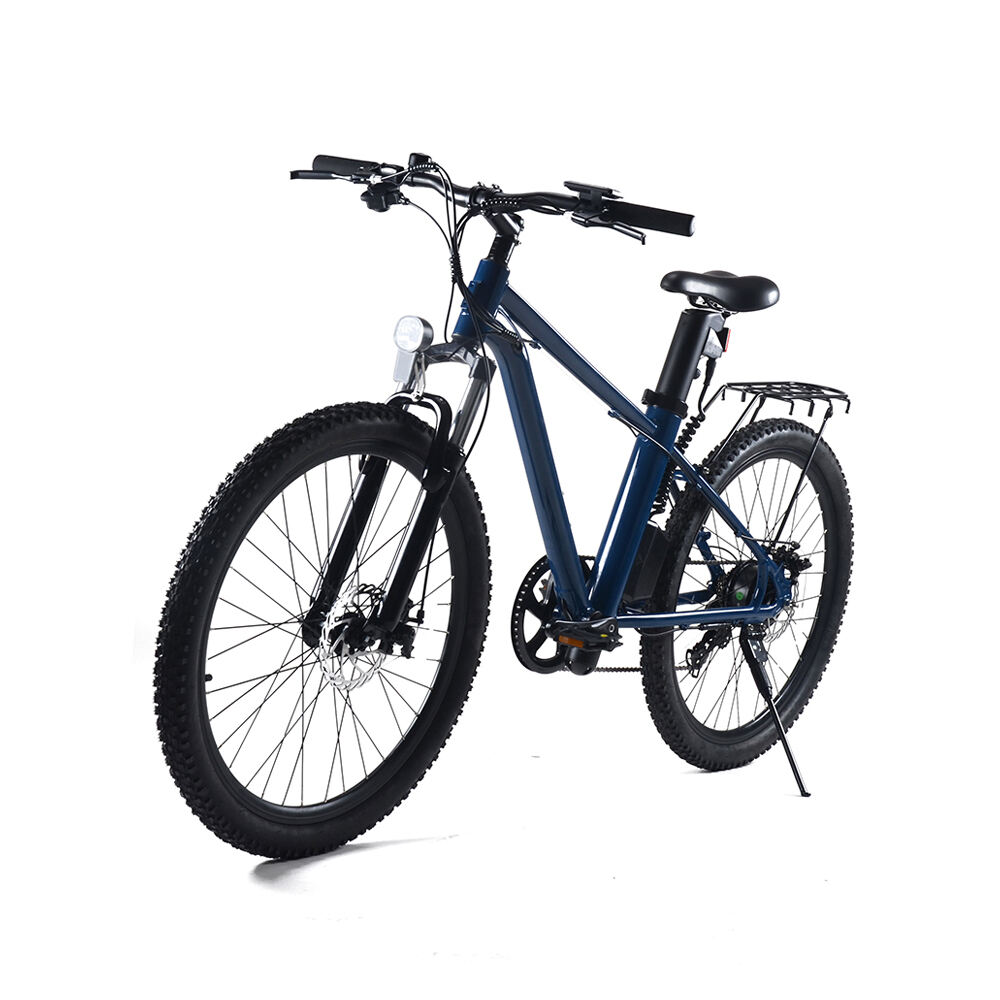
Contemporary mountain electric bike manufacturers are revolutionizing frame geometry to accommodate both battery placement and optimal riding dynamics. The integration of powerful electric motors requires careful consideration of weight distribution, structural integrity, and aerodynamic efficiency. Leading brands have developed proprietary frame designs that seamlessly blend traditional mountain bike aesthetics with the functional requirements of electric propulsion systems, creating vehicles that perform exceptionally well in both assisted and manual riding modes.
Revolutionary Frame Geometry Innovations
Progressive Suspension Integration
Modern mountain electric bike suspension systems have evolved beyond traditional shock absorption to incorporate sophisticated linkage designs that complement electric motor characteristics. Progressive suspension technology allows riders to tackle more challenging terrain while maintaining battery efficiency and motor longevity. These systems automatically adjust compression and rebound rates based on riding conditions, ensuring optimal performance whether climbing steep inclines or descending technical trails.
Advanced suspension platforms now feature electronic controls that sync with motor output, creating seamless power delivery across varying terrain conditions. The integration of smart suspension technology enables mountain electric bike riders to experience unprecedented levels of control and comfort. Manufacturers have developed proprietary algorithms that analyze rider input, terrain conditions, and motor load to automatically optimize suspension settings in real-time.
Optimized Battery Placement Systems
Strategic battery positioning has become a critical factor in mountain electric bike design, influencing both handling characteristics and aesthetic appeal. Contemporary designs feature integrated battery housings that lower the center of gravity while protecting power cells from impact damage. These systems often incorporate removable battery packs that facilitate convenient charging and security, allowing riders to maintain their mountain electric bike investment with minimal downtime.
Innovative battery integration approaches include split-battery configurations that distribute weight more evenly across the frame structure. Some manufacturers have developed modular systems that allow riders to customize battery capacity based on intended ride duration and terrain difficulty. These flexible power solutions enable mountain electric bike enthusiasts to optimize their setup for specific adventures while maintaining consistent performance characteristics.
Advanced Component Technology Trends
Next-Generation Motor Systems
The latest mountain electric bike motor technologies deliver unprecedented power-to-weight ratios while maintaining exceptional reliability under demanding conditions. Mid-drive motor systems have become increasingly popular due to their ability to leverage existing bicycle drivetrain components while providing natural pedaling assistance. These motors integrate sophisticated torque sensors that analyze rider input and terrain conditions to deliver precisely calibrated power assistance.
Contemporary motor designs feature advanced cooling systems that prevent overheating during extended climbs and high-intensity riding sessions. Manufacturers have developed proprietary heat dissipation technologies that maintain consistent performance even under extreme operating conditions. The newest mountain electric bike models incorporate brushless motor technology that significantly extends service life while reducing maintenance requirements.
Intelligent Control Systems
Smart control interfaces have transformed how riders interact with their mountain electric bike systems, providing real-time performance data and customizable assistance modes. Modern display units feature high-resolution screens that remain visible under bright sunlight while providing comprehensive ride metrics including speed, distance, battery status, and power output. These systems often include GPS navigation capabilities and smartphone connectivity for enhanced functionality.
Advanced control systems enable riders to create custom power profiles that match their specific riding preferences and fitness levels. Some mountain electric bike models feature learning algorithms that adapt assistance patterns based on individual riding habits and preferred terrain types. These intelligent systems continuously optimize power delivery to maximize battery efficiency while maintaining desired performance characteristics throughout extended rides.
Cutting-Edge Drivetrain Innovations
Enhanced Gear Systems
Modern mountain electric bike drivetrains incorporate wide-range cassettes and advanced derailleur systems that provide seamless shifting across extended gear ranges. These components are specifically engineered to handle the increased torque loads generated by electric motor assistance while maintaining precise shifting performance. Manufacturers have developed proprietary chain and cassette materials that resist wear and stretching under high-power conditions.
Electronic shifting systems have gained popularity in premium mountain electric bike applications, offering precise gear changes regardless of rider power output or terrain conditions. These systems feature automatic trimming capabilities that maintain optimal chain alignment across the entire gear range. Advanced electronic drivetrains can integrate with motor control systems to automatically adjust assistance levels during gear changes, ensuring smooth power delivery throughout the shifting process.
Innovative Brake Technologies
Enhanced braking systems represent a critical safety advancement in mountain electric bike design, as increased speeds and weights require superior stopping power. Modern hydraulic disc brake systems feature larger rotor diameters and multi-piston calipers that provide consistent performance under varied conditions. Heat dissipation technologies prevent brake fade during extended descents, maintaining reliable stopping power throughout demanding rides.
Some manufacturers have integrated regenerative braking systems that capture kinetic energy during deceleration and return it to the battery pack. These systems provide additional range extension while reducing wear on traditional brake components. Advanced mountain electric bike models feature electronic brake force distribution that automatically optimizes front and rear brake balance based on rider weight, terrain angle, and deceleration requirements.
Technological Integration and Connectivity
Smart Monitoring Systems
Contemporary mountain electric bike designs incorporate comprehensive monitoring systems that track component performance, maintenance schedules, and usage patterns. These systems provide predictive maintenance alerts that help riders avoid unexpected failures and optimize component longevity. Advanced diagnostics capabilities enable remote troubleshooting and performance optimization through smartphone applications and cloud-based platforms.
Integrated sensor networks monitor critical systems including motor temperature, battery health, brake wear, and suspension performance. This data enables riders to make informed decisions about maintenance timing and component replacement. Some mountain electric bike systems feature over-the-air software updates that continuously improve performance and add new features without requiring physical modifications.
Enhanced Safety Features
Modern safety technologies have revolutionized mountain electric bike design, incorporating features that enhance rider protection and visibility. Integrated lighting systems feature high-output LED arrays that automatically adjust brightness based on ambient conditions and battery status. Some models include turn signal indicators and brake lights that improve visibility during road crossings and trail intersections.
Advanced safety systems include crash detection capabilities that can automatically alert emergency contacts and provide location information in case of accidents. GPS tracking systems enable theft recovery and route sharing with other riders. Premium mountain electric bike models feature integrated cameras that record rides for later analysis and provide evidence in case of accidents or disputes.
FAQ
How do modern mountain electric bike geometries differ from traditional mountain bikes
Modern mountain electric bike geometries incorporate longer wheelbases, slacker head tube angles, and lower bottom brackets to accommodate battery placement while maintaining stability at higher speeds. The frame designs also feature reinforced mounting points for motors and batteries, along with modified tube shapes that integrate power and data cables. These geometric changes result in improved handling characteristics and enhanced rider confidence on technical terrain.
What battery technologies are currently leading the mountain electric bike market
Lithium-ion battery technology dominates the current mountain electric bike market, with manufacturers focusing on increasing energy density while reducing weight and charging time. The latest developments include 21700 cell configurations that provide superior power output and longevity compared to traditional 18650 cells. Many systems now feature fast-charging capabilities that can restore 80% capacity in under two hours, making extended riding adventures more practical.
How do smart control systems enhance the mountain electric bike riding experience
Smart control systems enhance the mountain electric bike experience by providing customizable assistance modes, real-time performance monitoring, and predictive maintenance alerts. These systems can learn rider preferences and automatically adjust power delivery based on terrain conditions and fitness levels. Advanced connectivity features enable route planning, ride tracking, and social sharing capabilities that connect riders with the broader mountain biking community.
What maintenance considerations are unique to modern mountain electric bike systems
Modern mountain electric bike systems require specialized maintenance procedures including battery conditioning, motor diagnostics, and electronic component cleaning. Regular software updates ensure optimal performance and security, while proper storage techniques preserve battery longevity. Professional service intervals may be more frequent than traditional mountain bikes due to the complexity of integrated electronic systems and the higher stresses placed on drivetrain components by motor assistance.
Table of Contents
- Revolutionary Frame Geometry Innovations
- Advanced Component Technology Trends
- Cutting-Edge Drivetrain Innovations
- Technological Integration and Connectivity
-
FAQ
- How do modern mountain electric bike geometries differ from traditional mountain bikes
- What battery technologies are currently leading the mountain electric bike market
- How do smart control systems enhance the mountain electric bike riding experience
- What maintenance considerations are unique to modern mountain electric bike systems