
 EN
EN

Urban transportation is undergoing a fundamental transformation as cities worldwide grapple with congestion, pollution, and the growing demand for sustainable mobility solutions. For city retailers, this shift presents an unprecedented opportunity to capitalize on the expanding market for folding E-bikes, which combine the convenience of compact design with the efficiency of electric propulsion. The convergence of urbanization trends, environmental consciousness, and technological advancement has created a perfect storm for retailers seeking high-margin products that address real consumer pain points in metropolitan areas.
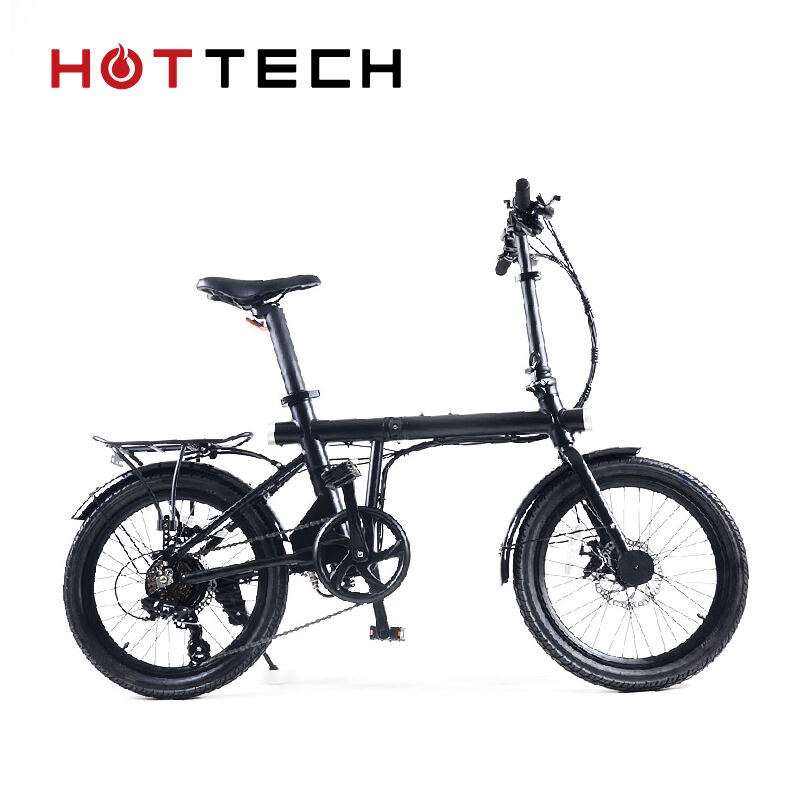
The business case for folding E-bikes extends far beyond simple transportation alternatives, representing a strategic positioning opportunity for retailers to establish themselves in the rapidly growing micro-mobility sector. These compact electric vehicles address multiple urban challenges simultaneously while offering retailers substantial profit margins, repeat customer engagement, and differentiation from traditional bicycle offerings. Understanding the market dynamics, profitability factors, and scaling strategies for folding E-bikes becomes crucial for retailers aiming to build sustainable urban mobility businesses in increasingly competitive metropolitan markets.
Market Dynamics Driving Folding E-bike Demand
Urban Space Constraints and Storage Solutions
Metropolitan living spaces continue to shrink as urban real estate prices escalate, creating significant challenges for traditional bicycle ownership. Folding E-bikes directly address this constraint by offering full-sized bike functionality in a compact package that fits into apartments, offices, and public transportation systems. City dwellers increasingly prioritize products that maximize utility while minimizing space requirements, making folding E-bikes an attractive solution for urban mobility needs.
The storage advantage of folding E-bikes extends beyond residential applications to workplace and recreational scenarios. Office buildings often lack adequate bike storage facilities, while folding E-bikes can be stored under desks or in small storage rooms without requiring dedicated infrastructure. This flexibility appeals to urban professionals who want sustainable transportation options without the logistics complications associated with traditional bicycles.
Public transportation integration represents another critical factor driving demand for folding E-bikes in urban markets. Commuters can combine electric bike transportation with buses, trains, and subways during peak hours or inclement weather, creating a seamless multi-modal transportation experience. This integration capability positions folding E-bikes as comprehensive mobility solutions rather than simple recreational products.
Environmental Consciousness and Regulatory Support
Growing environmental awareness among urban consumers has created strong demand for sustainable transportation alternatives that reduce carbon footprints without sacrificing convenience. Folding E-bikes offer zero-emission local transportation while providing electric assistance for longer distances or challenging terrain. This combination appeals to environmentally conscious consumers who want to reduce their impact without compromising mobility needs.
Municipal governments increasingly support electric bike adoption through infrastructure investments, purchase incentives, and regulatory frameworks that favor sustainable transportation options. Many cities offer rebates for electric bike purchases, designated bike lanes, and charging infrastructure that makes folding E-bikes more practical and attractive for daily use. These supportive policies create favorable market conditions for retailers entering the electric bike segment.
Corporate sustainability initiatives also drive demand for folding E-bikes as companies seek to reduce employee commuting emissions and provide eco-friendly transportation benefits. Businesses increasingly offer bike-to-work programs, electric bike subsidies, and workplace charging facilities that encourage sustainable commuting options among their workforce, creating additional market opportunities for retailers.
Profitability Analysis for City Retailers
Margin Structure and Pricing Positioning
Folding E-bikes typically command higher profit margins compared to traditional bicycles due to their advanced technology, specialized design, and premium positioning in the market. The electric components, folding mechanisms, and compact engineering justify price points that often exceed traditional bike margins by 40-60%, creating attractive profitability opportunities for retailers willing to invest in this category.
The technical complexity of folding E-bikes also creates barriers to entry that protect retailer margins from aggressive pricing competition. Consumers require education, demonstration, and ongoing support for electric bike purchases, positioning knowledgeable retailers as valuable intermediaries who can command premium pricing for their expertise and service offerings.
Accessory and service revenue streams provide additional profitability beyond initial bike sales. Folding E-bikes require specialized maintenance, replacement parts, and upgrade components that generate ongoing revenue opportunities. Retailers can build recurring income through battery replacements, software updates, and premium accessories designed specifically for folding electric bike applications.
Inventory Management and Capital Efficiency
The compact nature of folding E-bikes provides significant inventory management advantages for space-constrained urban retailers. A given storage area can accommodate more folding bikes compared to traditional models, improving inventory turnover and reducing carrying costs. This space efficiency becomes particularly valuable in high-rent urban retail environments where square footage costs directly impact profitability.
Seasonal demand patterns for folding E-bikes tend to be more stable compared to traditional recreational bicycles, as electric assistance makes these vehicles practical year-round transportation solutions. This stability helps retailers maintain consistent cash flow and reduces the inventory management challenges associated with highly seasonal products.
Premium pricing and lower inventory requirements combine to improve overall capital efficiency for retailers focusing on folding E-bikes. The higher per-unit margins and faster turnover rates generate superior returns on invested capital compared to traditional bicycle categories, making this segment attractive for retailers seeking to optimize their financial performance.
Customer Segmentation and Target Markets
Urban Commuters and Professionals
Professional urban commuters represent the primary target market for folding E-bikes, seeking reliable transportation solutions that fit their lifestyle constraints and professional image requirements. This segment typically has higher disposable income and values convenience, reliability, and time savings over price considerations, making them ideal customers for premium folding E-bike offerings.
The commuter segment appreciates the multi-modal transportation capabilities of folding E-bikes, which integrate seamlessly with existing public transportation infrastructure. These customers often prioritize features like quick folding mechanisms, lightweight construction, and professional aesthetics that align with their workplace environment and personal brand considerations.
Professional customers also tend to be early adopters of technology and sustainability initiatives, making them receptive to the advanced features and environmental benefits of folding E-bikes. This segment often influences broader adoption patterns through workplace discussions and social networks, creating valuable word-of-mouth marketing opportunities for retailers.
Space-Constrained Urban Dwellers
Apartment dwellers and residents of small living spaces represent a growing segment driven by practical storage considerations rather than recreational preferences. These customers prioritize folding E-bikes as space-efficient transportation solutions that don't require garage storage or outdoor parking arrangements that may be unavailable or insecure in urban environments.
This segment often includes younger urban residents, seniors seeking assisted mobility, and international residents who prefer flexible transportation options without long-term parking commitments. Their purchasing decisions focus heavily on compact design, ease of use, and versatility rather than performance specifications or recreational features.
The space-constrained segment also includes temporary urban residents such as students, temporary workers, and short-term renters who need mobility solutions without permanent storage requirements. These customers value the portability and storage convenience of folding E-bikes as temporary transportation solutions that can be easily relocated or transported when they move.
Scaling Strategies for Urban Retailers
Strategic Market Positioning
Successful scaling of folding E-bike retail operations requires clear positioning that differentiates from traditional bike shops and emphasizes the unique value proposition of urban mobility solutions. Retailers should position themselves as mobility consultants rather than simple product vendors, offering expertise in multi-modal transportation planning and urban lifestyle optimization.
Building partnerships with urban employers, apartment complexes, and public transportation authorities creates strategic distribution channels that reach target customers in their natural environments. These partnerships can include corporate sales programs, residential building amenities, and transit hub retail locations that capture customers at key decision points.
Digital marketing strategies should focus on local urban markets and emphasize practical benefits rather than recreational features. Content marketing, local SEO, and targeted advertising to urban professionals create awareness and drive qualified traffic to retail locations where customers can experience the folding functionality and electric assistance firsthand.
Operational Scaling Considerations
Technical service capabilities become crucial for scaling folding E-bike retail operations, as these products require specialized knowledge for maintenance, repair, and customer support. Retailers must invest in training, diagnostic equipment, and parts inventory to support the complex electric and mechanical systems found in quality folding E-bikes.
Supply chain management for folding E-bikes involves different considerations compared to traditional bicycles, including battery logistics, software updates, and specialized component sourcing. Retailers need relationships with suppliers who understand the technical requirements and provide ongoing support for emerging technology integration.
Customer education and demonstration capabilities are essential for scaling folding E-bike sales, as customers need to understand the folding mechanisms, electric systems, and practical applications before making purchase decisions. Retailers should invest in demonstration areas, test ride programs, and educational content that helps customers understand the value proposition and functionality.
Implementation and Growth Opportunities
Market Entry Strategies
Initial market entry for folding E-bikes should focus on high-density urban areas with favorable demographics and transportation challenges that these products address effectively. Retailers can start with limited product lines featuring proven folding E-bike models while building expertise and customer relationships in their target market.
Test marketing approaches allow retailers to validate demand and refine their value proposition before committing significant resources to inventory and infrastructure. Pop-up demonstrations, partnership pilots, and limited-time promotions help establish market presence while gathering customer feedback and market intelligence.
Strategic timing for market entry should consider seasonal factors, regulatory changes, and competitive landscape dynamics that affect folding E-bike adoption. Retailers can leverage favorable conditions such as new bike infrastructure, environmental incentives, or transportation disruptions that increase customer interest in alternative mobility solutions.
Long-term Growth Potential
The folding E-bike market shows strong long-term growth potential driven by urbanization trends, technological advancement, and environmental consciousness that continue to accelerate globally. Retailers who establish early positions in this market can build sustainable competitive advantages through customer relationships, expertise, and market recognition.
Expansion opportunities include related products and services such as electric scooters, charging solutions, and urban mobility accessories that complement folding E-bike offerings. These adjacent markets allow retailers to leverage their expertise and customer relationships while diversifying revenue streams and reducing market concentration risk.
Technology evolution in folding E-bikes continues to create new product categories and customer segments that expand the total addressable market. Advances in battery technology, smart connectivity, and automated folding mechanisms attract new customers while providing existing customers with upgrade opportunities that generate repeat sales.
FAQ
What makes folding E-bikes particularly profitable for city retailers compared to traditional bicycles?
Folding E-bikes offer significantly higher profit margins due to their premium positioning, advanced technology components, and specialized design features. The electric systems and folding mechanisms justify price points that exceed traditional bike margins by 40-60%, while the technical complexity creates barriers to aggressive price competition. Additionally, the space-efficient storage allows retailers to maintain higher inventory turnover in expensive urban retail locations.
How do urban space constraints drive demand for folding E-bikes among city consumers?
Urban living spaces are becoming increasingly compact while real estate costs continue rising, making traditional bicycle storage impractical for many city dwellers. Folding E-bikes address this challenge by providing full-sized bike functionality in a package that fits into apartments, offices, and public transportation systems. This storage convenience appeals to urban professionals who want sustainable transportation without the logistics complications of traditional bicycles.
What are the key customer segments for folding E-bikes in urban markets?
The primary segments include urban commuters and professionals seeking reliable multi-modal transportation solutions, space-constrained urban dwellers who prioritize storage convenience, and temporary residents like students or short-term workers who need flexible mobility options. These customers typically value convenience, reliability, and space efficiency over price considerations, making them ideal targets for premium folding E-bike offerings.
How can city retailers effectively scale their folding E-bike operations?
Successful scaling requires positioning as mobility consultants rather than simple product vendors, building partnerships with urban employers and apartment complexes for strategic distribution, and investing in technical service capabilities for specialized maintenance and support. Retailers should focus on high-density urban areas with favorable demographics while developing digital marketing strategies that emphasize practical benefits to urban professionals.
Table of Contents
- Market Dynamics Driving Folding E-bike Demand
- Profitability Analysis for City Retailers
- Customer Segmentation and Target Markets
- Scaling Strategies for Urban Retailers
- Implementation and Growth Opportunities
-
FAQ
- What makes folding E-bikes particularly profitable for city retailers compared to traditional bicycles?
- How do urban space constraints drive demand for folding E-bikes among city consumers?
- What are the key customer segments for folding E-bikes in urban markets?
- How can city retailers effectively scale their folding E-bike operations?