
 EN
EN
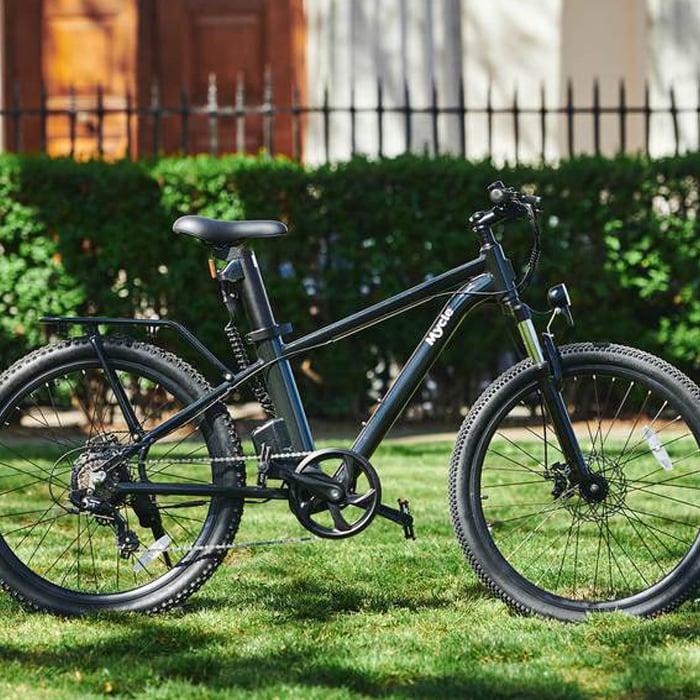
Gorski električni kolesi so revolucionirali kolesarjenje po terenu tako, da združujejo trdovratne zmogljivosti tradicionalnih gorskih koles z napredno tehnologijo električne pomoči. Te močne naprave omogočajo izboljšane sposobnosti plezanja, podaljšano dosegljivost in odlično stabilnost na zahtevnem terenu. Sodobni gorski električni kolesi imajo izjemno trdne okvirje, motorje z visokim navorom in sofisticirane baterijske sisteme, ki voznikom omogočajo s samozavestjo in nadzorom prevoziti strme pobočja, kamnite steze in zahtevne spuste.
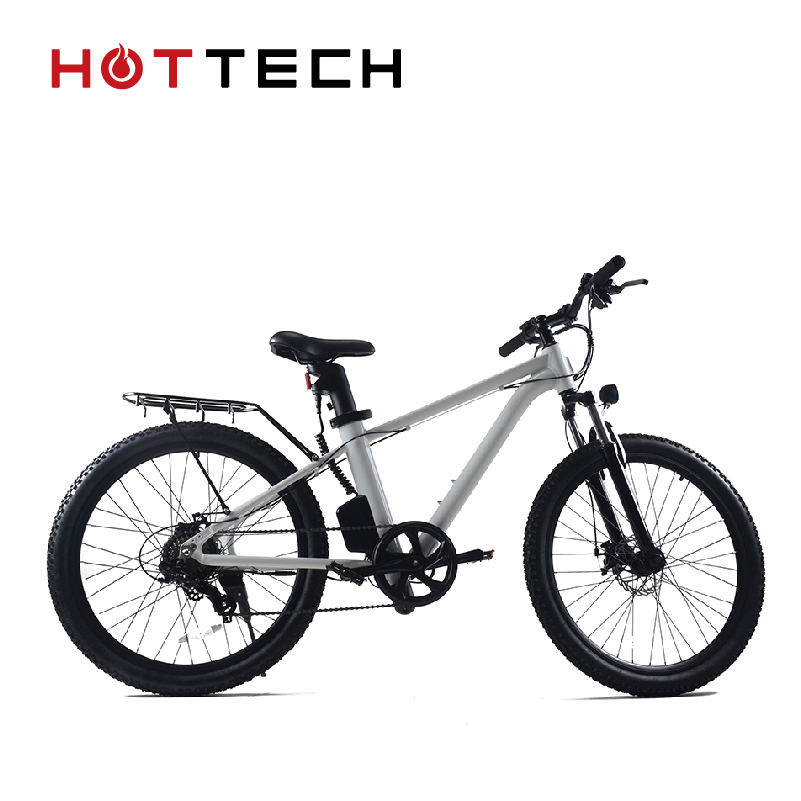
Vključitev elektromotoričnih sistemov v tradicionalne komponente gorskih koles ustvarja sinergistično povezavo, ki okrepi učinkovitost voznika, hkrati pa ohranja avtentično izkušnjo vožnje po stezah. Poklicni gorski električni kolesi vključujejo lahke, a trpežne materiale, napredne sisteme za vzmetenje ter natančno oblikovane gonilne sklope, ki delujejo v popolni harmoniji z električno pomočjo, da ponudijo nepremagovale enakopravnost v terenskih razmerah.
Tehnologija električnega motorja in sistemi za prenos moči
Prednosti motorja s sredinskim pogonom za učinkovitost na terenu
Motorji s sredinskim pogonom predstavljajo vrhunec tehnologije gorskih elektrokoles, saj je motor postavljen v težišče kolesa, kar omogoča optimalno porazdelitev teže in najboljše obnašanje kolesa. Ti sistemi so neposredno integrirani v prestavni mehanizem kolesa, kar omogoča voznikom izkoriščanje obstoječih prestavnih razmerij za največjo učinkovitost na različnih terenih. Središčno postavitev motorja izboljša stabilnost kolesa med tehničnimi manevri in pri plezanju po strmih pobočjih.
Napredni sredinski pogonski sistemi na gorskih električnih kolesih omogočajo navor v območju od 50 do 85 newton-metrov, kar zagotavlja pomembno pomoč pri zahtevnih vzponih. Možnost motorja, da deluje skozi menjalni sistem kolesa, omogoča voznikom ohranjanje optimalnega števila pedaliranj, medtem ko električna pomoč okrepi njihovo moč pedaliranja. Ta tehnologija omogoča trajno zmogljivost pri plezanju po naklonih, kjer bi sicer bilo potrebno pogosto počitek ali spustiti z kolesa.
Integracija bobenskega motorja in prednosti pogona zadnjega kolesa
Bobenski motorji ponujajo jasne prednosti za določene aplikacije gorskih električnih koles, zlasti glede enostavnosti vzdrževanja in odpornosti proti vremenskim vplivom. Bobenski motorji na zadnjem kolesu zagotavljajo neposredno prenos moči na kolo, kar ustvari takojšen odziv navora, ki je koristen na tehničnih delih stez, kjer je potrebno hitro pospeševanje. Ti sistemi ohranjajo konstanten izhod moči ne glede na izbiro prestave in ponujajo predvidljive lastnosti zmogljivosti.
Sodobni gorski električni kolesi z motorjem v nafah vključujejo možnost rekuperacije, ki podaljša doseg baterije in omogoča dodatno kontrolo med strmimi spusti. Tesna ohišja motorja zaščitijo notranje komponente pred umazanijo, blatom in vlago ter zmanjšajo potrebo po vzdrževanju v primerjavi s sistemom odprtega gonilnega traku. Konstrukcija z motorjem v nafah odpravi tudi težave s prestavnim razmerjem, ki lahko nastanejo pri obremenjenih srednjepogonskih sistemih.
Tehnologija baterij in funkcije za podaljšanje dosega
Kemija litije-ionskih celic in gostota energije
Sodobni gorski električni kolesi uporabljajo napredne tehnologije litij-ionskih baterij, ki zagotavljajo izjemno gostoto energije in hkrati ohranjajo razumsko težo. Baterije z visoko zmogljivostjo običajno segajo od 400 do 700 vatnih-ur, kar zagotavlja dovolj energije za daljše pohode po terenu. Te baterijske sisteme vključujejo sofisticirano termično upravljanje za ohranjanje optimalne zmogljivosti pri različnih temperaturnih pogojih, s katerimi se srečuje med vožnjo po gorah.
Strategije postavitve baterij v gorskih električnih kolesih dajejo prednost tako zaščiti kot porazdelitvi teže, pri čemer integrirane konstrukcije okvirja vsebujejo celice znotraj okrepljenih cevnih delov. Ta pristop ščiti baterijo pred poškodbami zaradi udarcev in hkrati ohranja težišče kolesa za izjemne lastnosti vožnje. Odstranljive baterije omogočajo priročno polnjenje in varnost, saj lahko vozni polnijo baterije v notranjosti, medtem ko zaklenejo kolo zunaj.
Sistemi upravljanja z močjo in optimizacija učinkovitosti
Inteligentni sistemi za upravljanje z energijo v gorskih električnih kolesih neprestano spremljajo vhodne podatke voznika, razmere na terenu in stanje baterije, da bi optimizirali porabo energije. Ti sistemi prilagajajo raven motorne pomoči glede na kadenco pedalenja, navor vhod in izbrane načine pomoči. Napredni algoritmi napovedujejo potrebe po energiji za predvidene poti, zagotavljajo ocene dosega v realnem času in predlagajo optimalne nastavitve moči.
Možnosti regenerativnega polnjenja v sodobnih gorskih električnih kolesih zajemajo energijo med spusti in ko zaviramo, s čimer se skupni doseg podaljša za 5–15 odstotkov, odvisno od značilnosti terena. Pametni sistemi polnjenja preprečujejo poslabšanje baterij s spremljanjem temperature in nadzorovanimi hitrostmi polnjenja. Te funkcije zagotavljajo največjo življenjsko dobo baterije, hkrati pa ohranjajo dosledno zmogljivost v celotnem obdobju lastništva.
Tehnologije izboljšanja vzmetenja in stabilnosti
Celovita integracija vzmetenja z električnimi komponentami
Gorski električni kolesi s polno vzmetenjem vključujejo sofisticirane sisteme za dušenje udarcev, ki omogočajo dodatno težo električnih komponent, hkrati pa ohranjajo optimalno zmogljivost na terenu. Sprednji in zadnji sistem vzmetenja delujeta skupaj, da ločita voznika od vplivov terena, hkrati pa ohranjata učinkovitost pedalenja in delovanje motorja. Napredni sistemi vzmetenja kompenzirajo spremenjeno porazdelitev teže zaradi postavitve baterije in motorja.
Sodobni sistemi vzmetenja v gorski e-bikes imajo nastavljivo dušenje stiskanja in povratka, ki se prilagodi različnim telesnim težam voznikov in slogom vožnje. Mehanizmi za zaklepanje omogočajo voznikom tognejše nastavitev vzmetenja za učinkovito penjanje, hkrati pa ohranjajo polno pot za tehnične sestope. Ti sistemi se brezhibno integrirajo z električno pomočjo, da zagotovijo nadzorovano in predvidljivo vodenje po vseh vrstah terena.
Geometrija okvirja in lastnosti vodenja
Gorski električni kolesi uporabljajo specializirane geometrije okvirja, ki upoštevajo dodatno težo in spremenjeno težišče, ki ga ustvarjajo električni komponenti. Daljše osne razdalje in bolj položni koti glavnega cevnika izboljšujejo stabilnost pri višjih hitrostih, hkrati pa ohranjajo agilnost za prehod po tehničnih poteh. Okrepljena konstrukcija okvirja omogoča prenašanje dodatnih obremenitev zaradi višjih voznih hitrosti in podaljšanih dosežkov.
Progresivne konstrukcijske rešitve pri gorskih električnih kolesih vključujejo daljše mere dosegov in nižje položaje spodnjih ležajev, ki izboljšujejo samopoudarjanje voznika pri prehodu po zahtevnem terenu. Ti konstrukcijski elementi delujejo usklajeno z električnim podporo, da ustvarijo kolesa, ki se počutijo stabilna in nadzorovana tudi pri premagovanju doslej zastrašujočih preprek na poti. Materiali okvirjev in tehnike izdelave dajejo prednost trajnosti, hkrati pa zmanjšujejo dodatno težo, povezano s potrebo po okrepitvi.
Strategije integracije gonilnika in komponent
Optimizacija razmerja prestav za električno pomoč
Gorski e-kolesi uporabljajo specialne konfiguracije pogonskega sistema, ki najbolj izkoristijo učinkovitost električnega motorja na različnih terenih. Širokopasovni kasetni menjalniki s 11- ali 12-prestavnimi konfiguracijami zagotavljajo optimalne razmike med prestavami za ohranjanje učinkovite frekvence pedaliranja ob izkoriščanju navora motorja. Izbira verižnikov uravnoveša sposobnost plezanja in učinkovitost pri visokih hitrostih za raznovrstne pogoje na stezah.
Elektronski sistem prestavljanja na vrhnjih gorskih e-kolesih se integrira z enotami za nadzor motorja, da optimizira izbiro prestav glede na raven pomoči in zahteve terena. Ti sistemi samodejno prilagajajo nastavitve prestavljanja zaradi dodatnega navora električnih motorjev, kar zagotavlja gladke prehode in daljšo življenjsko dobo komponent. Programirljive točke prestavljanja omogočajo voznikom prilagoditi delovanje pogonskega sistema glede na posamezne stilsko vožnjo in preference.
Izboljšave zavornega sistema za povečano zmogljivost
Izboljšani zavorni sistemi v gorskih električnih kolesih omogočajo varno upravljanje s povečanimi hitrostmi in večjim dosežkom, ki ga zagotavlja električna pomoč. Večji premeri rotorjev in štiripolni zavorni ključki zagotavljajo odlično zavorno moč ter učinkovito upravljanje s toploto med daljšimi spusti. Napredni sestavi zavorne obloge zagotavljajo dosledno zmogljivost v različnih vremenskih razmerah in na različnih vrstah terena.
Vgrajeni zaznavniki zavor v gorskih električnih kolesih komunicirajo s sistemom nadzora motorja, da zagotovijo brezhibno prekinitev napajanja med zaviranjem. Ta varnostna funkcija preprečuje nenadno pospeševanje in omogoča regenerativno polnjenje, kadar je to mogoče. Integracija zavornega sistema zagotavlja predvidljivo zavorno zmogljivost ne glede na raven motorne pomoči ali stanje naboja baterije.
Koristi za zmogljivost na progi in izkušnjo vožnje
Izboljšana sposobnost plezanja in vzdržljivost
Planinski e-biki spremenijo zahtevne vzpone v obvladljive dvige z uporabo stalne motorne pomoči, ki dopolnjuje moč voznika. Električna pomoč omogoča voznikom ohranjanje enakomerne kadence in vzorcev dihanja med daljšimi vzponi, zmanjšuje utrujenost in podaljšuje trajanje vožnje. Ta zmogljivost odpre prej nedostopne poti voznikom različnih stopinj pripravljenosti in fizičnih sposobnosti.
Psihološke koristi izboljšane zmogljivosti za vzpone pri planinskih e-bikih ni mogoče podcenjevati, saj vozniki pridobivajo samozavest za poskušanje zahtevnejših poti in tehničnih elementov. Stalna dobava moči odpravi tesnobo, povezano s trdnim odločanjem za dolge vzpone, kar voznikom omogoča, da se osredotočijo na tehniko in užitek pri vožnji namesto na varčevanje z energijo. Ta izboljšana zmogljivost pogosto vodi do izboljšanih splošnih veščin vožnje in raziskovanja poti.
Tehnična kontrola in stabilnost pri spustu
Gorski električni kolesi omogočajo izboljšano stabilnost med tehničnimi sestopi zaradi izboljšane porazdelitve teže in sofisticirane integracije odbojnikov. Dodatna teža električnih komponent zniža težišče kolesa, kar med sestopi s hitrostjo in tehničnimi manevri omogoča napovedljivejše ravnanje. Ta stabilnost voznikom omogoča ohranjanje kontrole pri prehajanju zahtevnih potez na stezi z več samozavesti.
Sistemi rekuperativnega zaviranja v naprednih gorskih električnih kolesih zagotavljajo dodatno kontrolo med sestopom ter podaljšajo doseg baterije. Ti sistemi ponujajo enakomerno, postopno upočasnitev, ki dopolnjuje tradicionalne zavorne sisteme, ne da bi vplivali na ukrepanje voznika. Kombinacija mehanskega in rekuperativnega zaviranja omogoča odlično upravljanje toplote med daljšimi sestopi in hkrati zagotavlja dosledno zavorno moč.
Integracija tehnologije in pametne funkcije
Digitalni prikazovalni sistemi in spremljanje vožnje
Sodobni električni planinski kolesi vključujejo obsežne digitalne prikazovalne sisteme, ki omogočajo pridobivanje informacij v realnem času o hitrosti, razdalji, stanju baterije in ravneh pomoči motorja. Ti prikazi se povežejo s pametnimi aplikacijami za omogočanje načrtovanja poti, spremljanja učinkovitosti in nadzora komponent. Napredni sistemi ponujajo tudi navigacijske možnosti ter funkcije za izredne primere, kar poveča varnost med oddaljenimi izleti po stezah.
Možnosti zbiranja podatkov o vožnji na električnih planinskih kolesih omogočajo kolesarjem analizo metrik zmogljivosti in optimizacijo vadbenih rutin. Ti sistemi beležijo višinski premik, povprečno hitrost, porabo energije in uporabo ravni pomoči, da bi zagotovili vpogled v učinkovitost vožnje in napredek v kondiciji. Dolgoročno shranjevanje podatkov omogoča analizo trendov in postavljanje ciljev za stalno izboljševanje zmogljivosti.
Povezljivost in varnostne funkcije
Vgrajene povezljivostne funkcije v visokokakovostnih planinskih električnih kolesih omogočajo oddaljeno spremljanje in zaščito pred krajo prek GPS sledenja ter integracije s pametnimi telefoni. Ti sistemi zagotavljajo podatke o trenutni lokaciji in opozorila ob premiku, kar izboljša varnost med shranjevanjem in prevozom. Možnosti za oddaljeno diagnostiko omogočajo proaktivno načrtovanje vzdrževanja in spremljanje stanja komponent za optimalno zmogljivost.
Pametni sistemi polnjenja v planinskih električnih kolesih optimizirajo stanje baterije prek avtomatiziranih profilov polnjenja in spremljanja temperature. Ti sistemi preprečujejo prekomerno polnjenje in popolno izpraznitev, ki lahko skrajšata življenjsko dobo baterije. Integracija z omrežji javne distribucije električne energije omogoča polnjenje izven vrhunskih obdobij, kar zmanjša stroške energije in vpliv na okolje.
Pogosta vprašanja
Kakšen je tipični doseg planinskih električnih koles na zahtevnem terenu
Planinski e-bicikli ponavadi prevozijo razdaljo 20–50 milj na zahtevnem terenu, kar je odvisno od kapacitete baterije, stopnje asistence, teže voznika in zahtevnosti terena. Dejavniki, kot so vzpon, površina steze in vremenske razmere, znatno vplivajo na doseg. Večina sodobnih planinskih e-biciklov ima več načinov asistence, ki omogočajo voznikom uravnotežiti porabo energije z zahtevanimi zmogljivostmi za optimalno upravljanje dosega.
Kako se planinski e-bicikli obnašajo v mokrih in blatnih pogojih
Gorski e-bicikli izjemno dobro opravijo v mokrih in blatnih razmerah zaradi izboljšanega oprijema, ki ga omogoča motorična pomoč in posebne sestave platišč. Dodatna teža zagotavlja izboljšan tlak stika pnevmatik, medtem ko električna pomoč ohranja vztrajnost pri prehodu zahtevnih odsekov. Vremensko tesni električni elementi in koroziji odporni materiali zagotavljajo zanesljivo delovanje v slabih pogojih. Pravilna izbira pnevmatik in prilagoditev tlaka optimizirata oprijem in nadzor v različnih površinskih pogojih.
Kateri zahtevi za vzdrževanje so specifični za gorske e-bicikle
Gorski e-kolesi zahtevajo običajno vzdrževanje koles ter dodatno pozornost električnim komponentam, oskrbi akumulatorja in servisiranju motorja. Redno čiščenje in pregled električnih priklopov preprečuje težave, povezane z vlago. Vzdrževanje akumulatorja vključuje pravilne postopke polnjenja in upravljanje s temperaturo za optimalno življenjsko dobo. Motorne sisteme je treba redno pregledovati glede obrabe in pravih navorov. Priporočljivo je strokovno servisiranje za zapletene električne diagnostike in posodobitve programske opreme.
Ali se po gorskem e-kolesu da voziti brez električne pomoči
Gorska električna kolesa je mogoče uporabljati brez električne pomoči, čeprav zaradi povečane teže električnih komponent zahtevajo dodatno napetost. Večina sistemov ponuja načine brez pomoči, ki odstranjujejo upornost motorja, hkrati pa ohranjajo običajno funkcionalnost kolesa. Teža baterije in upornost motorja ustvarita opazno razliko v primerjavi s tradicionalnimi gorskimi kolesi, a izkušeni vozniki lahko uspešno prevozijo tiri tudi brez pomoči. Ta zmogljivost omogoča rezervno prevozno sredstvo, če pride do izpraznitve baterije med pohodi po oddaljenih poteh.
Vsebinsko kazalo
- Tehnologija električnega motorja in sistemi za prenos moči
- Tehnologija baterij in funkcije za podaljšanje dosega
- Tehnologije izboljšanja vzmetenja in stabilnosti
- Strategije integracije gonilnika in komponent
- Koristi za zmogljivost na progi in izkušnjo vožnje
- Integracija tehnologije in pametne funkcije
- Pogosta vprašanja