
 EN
EN
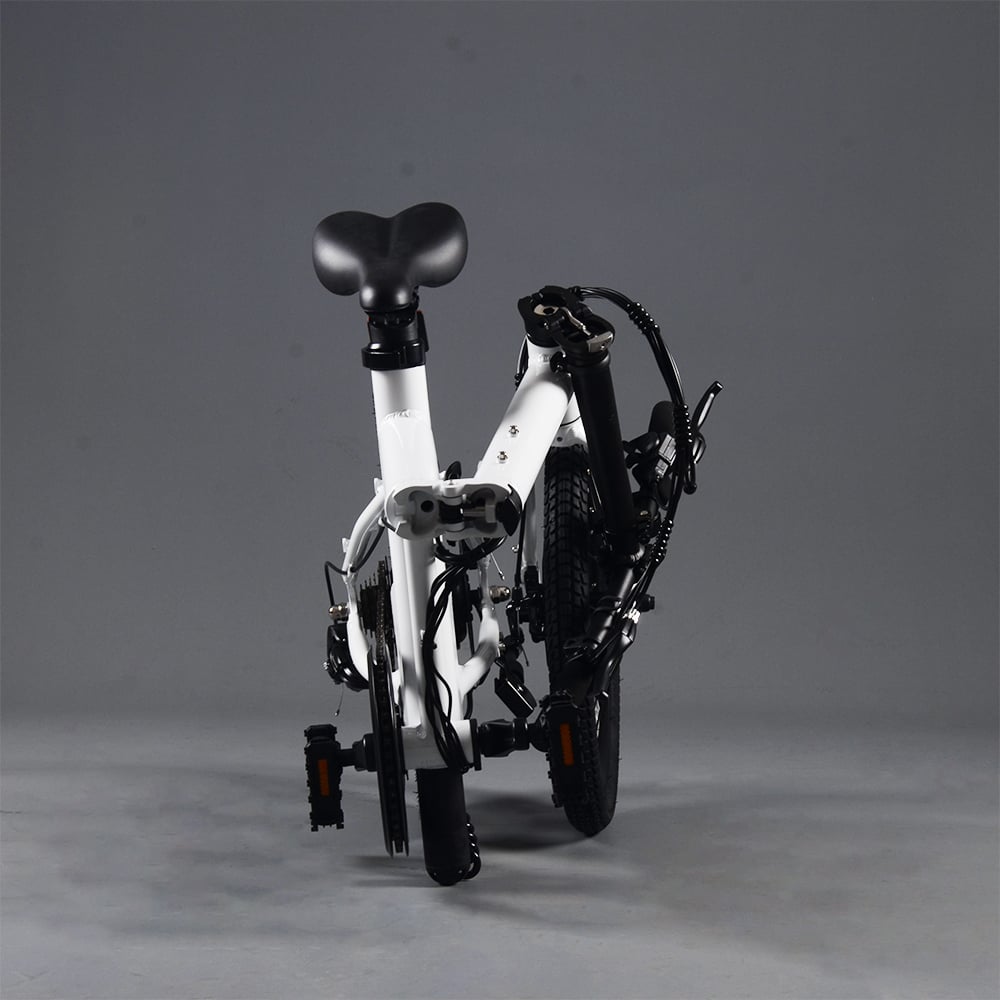
Les transports urbains ont évolué de manière spectaculaire au cours de la dernière décennie, les vélos électriques s'imposant comme une solution de mobilité privilégiée pour des millions de navetteurs à travers le monde. Un vélo électrique urbain représente la fusion parfaite entre le cyclisme traditionnel et la technologie électrique moderne, conçue spécifiquement pour circuler efficacement dans les environnements urbains. Ces véhicules innovants permettent aux utilisateurs de parcourir de plus grandes distances avec un effort physique réduit, tout en restant respectueux de l'environnement et économiques par rapport aux véhicules traditionnels.
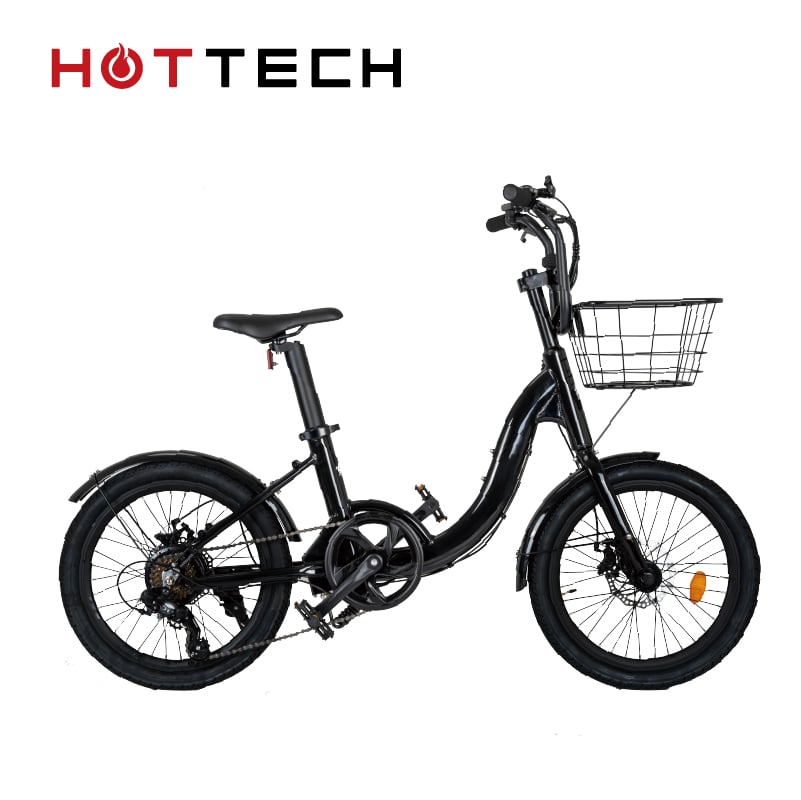
La popularité croissante des vélos électriques dans les zones métropolitaines découle de leur polyvalence et de leur praticité pour répondre aux besoins de transport quotidien. Un vélo électrique urbain bien conçu allie confort, fiabilité et performance pour offrir une expérience de conduite optimale aux cyclistes en milieu urbain. Comprendre les caractéristiques essentielles qui distinguent un vélo électrique urbain haut de gamme des modèles ordinaires devient crucial pour les consommateurs à la recherche d'une valeur durable et d'une satisfaction à long terme. Ces caractéristiques englobent tout, de l'efficacité du moteur et de la capacité de la batterie à la construction du cadre et aux équipements de sécurité assurant un fonctionnement fiable dans diverses conditions urbaines.
Performance du moteur et systèmes d'alimentation
Spécifications du moteur électrique
Le cœur de tout vélo électrique urbain réside dans son système moteur électrique, qui détermine la performance globale du véhicule et l'expérience de conduite. Les modèles de qualité supérieure intègrent généralement des moteurs à courant continu sans balais allant de 250 W à 750 W, offrant une puissance suffisante pour les trajets urbains tout en maintenant une grande efficacité énergétique. Ces moteurs fournissent un couple constant dans diverses conditions de conduite, assurant une accélération fluide et des capacités fiables de montée en côte, fréquemment rencontrées par les cyclistes en milieu urbain.
L'emplacement du moteur influence considérablement la dynamique de conduite et l'équilibre global du vélo électrique urbain. Les moteurs roue, généralement placés à l'arrière, offrent une transmission directe de la puissance et nécessitent peu d'entretien. Les moteurs centralisés, situés près du pédalier, assurent une répartition optimale du poids et une sensation de pédalage plus naturelle, ce qui les rend particulièrement adaptés aux vélos électriques urbains, où le confort du cycliste et la précision de conduite sont primordiaux.
Contrôle de la puissance et efficacité
Les systèmes avancés de gestion d'énergie distinguent les modèles haut de gamme de vélos électriques urbains des alternatives basiques grâce à des commandes électroniques sophistiquées. Ces systèmes régulent la puissance du moteur en fonction de l'effort de pédalage, des conditions du terrain et des niveaux d'assistance sélectionnés, optimisant ainsi la consommation d'énergie tout en maintenant des performances constantes. Les contrôleurs de qualité des vélos électriques urbains offrent plusieurs modes d'assistance, permettant aux cyclistes d'ajuster la puissance délivrée selon leurs besoins spécifiques de conduite et leurs objectifs de conservation de batterie.
La technologie de freinage régénératif constitue un autre signe distinctif d'un design supérieur de vélo électrique urbain, capturant l'énergie cinétique lors du ralentissement et la convertissant à nouveau en énergie électrique stockée. Cette fonction étend l'autonomie tout en réduisant l'usure des freins, contribuant ainsi à des coûts d'entretien plus faibles et à une efficacité globale accrue. L'intégration de capteurs intelligents et de microprocesseurs permet une surveillance en temps réel des performances et des ajustements automatiques qui améliorent l'expérience de conduite du vélo électrique urbain.
Technologie des batteries et autonomie
Systèmes de batteries au lithium-ion
Les modèles modernes de vélos électriques urbains utilisent une technologie avancée de batteries au lithium-ion pour offrir un stockage d'énergie fiable et une autonomie prolongée. Les blocs-batteries de haute qualité présentent généralement des capacités allant de 36 V à 48 V, avec des taux d'ampères-heures compris entre 10 Ah et 20 Ah, fournissant ainsi suffisamment d'énergie pour couvrir les distances quotidiennes en trajet domicile-travail. Ces systèmes de batteries intègrent plusieurs fonctionnalités de sécurité, notamment une protection contre la surcharge, une surveillance de la température et un équilibrage des cellules, afin d'assurer leur longévité et un fonctionnement sûr tout au long de leur durée de vie.
L'emplacement et l'intégration de la batterie influencent considérablement l'esthétique et la fonctionnalité pratique du vélo électrique urbain. Les conceptions de batterie intégrées, qui s'harmonisent parfaitement avec la structure du cadre, offrent une meilleure protection contre les intempéries et les risques de vol, tout en préservant l'attrait visuel du vélo. Les systèmes de batterie amovibles assurent un confort lors de la charge et du rangement en intérieur, ce qui est particulièrement important pour les utilisateurs de vélos électriques urbains qui ne disposent peut-être pas d'installations de charge en extérieur.
Infrastructure de recharge et commodité
Les systèmes de charge efficaces constituent un élément essentiel de la conception qualitative d'un vélo électrique urbain, permettant aux utilisateurs de maintenir leurs véhicules avec un minimum de perturbation dans leurs routines quotidiennes. Les fonctionnalités de charge rapide réduisent les temps d'immobilisation en atteignant la capacité maximale de la batterie en trois à six heures, selon la taille de la batterie et les spécifications du chargeur. La technologie de charge intelligente évite la surcharge tout en optimisant la santé de la batterie grâce à des cycles de charge contrôlés, prolongeant ainsi la durée de vie globale de la batterie.
La disponibilité de plusieurs options de chargement améliore la praticité des vélos électriques urbains pour les usagers des déplacements en ville. Les chargeurs CA standards fonctionnent avec des prises électriques domestiques classiques, tandis que les ports de chargement USB permettent aux utilisateurs d'alimenter des accessoires et de rester connectés pendant leurs déplacements. Certains modèles haut de gamme de vélos électriques urbains sont compatibles avec le chargement solaire, offrant ainsi des options de production d'énergie écologiquement durables aux utilisateurs soucieux de l'environnement.
Construction du cadre et durabilité
Sélection des matériaux et conception
La base structurelle d'un vélo électrique urbain de qualité repose sur des matériaux de cadre soigneusement sélectionnés, qui assurent un équilibre entre résistance, poids et coûts. Les cadres en alliage d'aluminium dominent le marché du vélo électrique urbain en raison de leur excellent rapport résistance-poids, de leur résistance à la corrosion et de leur polyvalence en fabrication. Les alliages d'aluminium de haute qualité offrent une rigidité suffisante pour supporter les composants moteur et batterie, tout en maintenant un poids total raisonnable pour faciliter la manipulation manuelle lorsque cela est nécessaire.
La géométrie du cadre joue un rôle essentiel dans le confort et les caractéristiques de conduite des vélos électriques urbains en conditions de circulation en ville. Les cadres cintres bas facilitent l'installation et la descente, particulièrement importants pour les cyclistes portant des vêtements professionnels ou transportant des charges. Les positions de conduite droites réduisent les tensions sur le dos et le cou lors de trajets prolongés, tandis que des dimensions optimisées de l'empattement assurent une stabilité à différentes vitesses rencontrées dans la circulation urbaine.
Résistance aux intempéries et longévité
Une construction supérieure de vélo électrique urbain intègre des traitements résistants aux intempéries et des revêtements protecteurs qui préservent l'intégrité structurelle malgré l'exposition à la pluie, à l'humidité et au sel de voirie. Les applications de revêtement par poudre offrent une protection de surface durable tout en proposant des options de personnalisation esthétique. Des systèmes de roulements étanches aux points d'articulation critiques empêchent l'infiltration d'humidité et prolongent la durée de vie des composants, réduisant ainsi les besoins de maintenance pour les usagers urbains pressés.
Les fabricants de qualité de vélos électriques urbains mettent en œuvre des protocoles de tests rigoureux pour vérifier la durabilité du cadre dans des conditions d'utilisation réalistes. Les essais de fatigue simulent des milliers de kilomètres de conduite en milieu urbain, garantissant la fiabilité structurelle tout au long de la durée de service prévue du véhicule. La qualité des soudures et la conception des joints font l'objet d'une attention particulière, car ces zones subissent les concentrations de contraintes les plus élevées pendant le fonctionnement normal du vélo électrique en ville.
Systèmes de freinage et équipements de sécurité
Technologie de frein à disque
Les systèmes de freinage efficaces constituent une exigence de sécurité incontournable pour tout vélo électrique urbain de qualité, étant donné les vitesses et masses accrues liées à l'assistance électrique. Les freins à disque hydrauliques offrent un meilleur pouvoir de freinage et une modulation supérieure par rapport aux freins sur jante traditionnels, tout en conservant des performances constantes par temps humide, une condition fréquemment rencontrée en milieu urbain. Ces systèmes de freinage intègrent des rotors de plus grand diamètre qui dissipent la chaleur plus efficacement, évitant ainsi la perte d'efficacité des freins lors de descentes prolongées ou dans des situations de circulation stop-and-go fréquentes.
Les freins à disque mécaniques offrent une alternative économique pour les vélos électriques urbains tout en assurant des performances supérieures par rapport aux systèmes de freinage sur jante. Ces freins fournissent une puissance de freinage fiable avec des besoins d'entretien simplifiés, ce qui les rend adaptés aux cyclistes qui préfèrent effectuer eux-mêmes leur entretien de base. Les freins à disque mécaniques de qualité disposent de réglages sans outil et de motifs uniformes d'usure des plaquettes, allongeant ainsi les intervalles de maintenance.
Systèmes de sécurité intégrés
Les systèmes de sécurité modernes pour vélos électriques urbains vont au-delà du freinage de base en incluant des fonctionnalités complètes d'éclairage, de signalisation et d'amélioration de la visibilité. Les systèmes d'éclairage LED intégrés, alimentés par la batterie principale, garantissent un éclairage constant sans dépendre d'accessoires dotés de batteries séparées. Ces systèmes d'éclairage comprennent généralement des phares avant, des feux arrière et des feux de position latéraux qui améliorent la visibilité sous plusieurs angles pendant les conditions de conduite au lever et au coucher du soleil, ainsi que la nuit.
Les modèles avancés de vélos électriques urbains intègrent des équipements électroniques de sécurité tels que des feux stop automatiques qui s'activent lors du ralentissement, des indicateurs de direction commandés depuis des interrupteurs au niveau du guidon, et des systèmes d'alarme dissuadant le vol lorsque le véhicule est à l'arrêt. Des bandes réfléchissantes et des options de couleurs haute visibilité améliorent davantage la sécurité du cycliste en augmentant sa conspicuité aux yeux des automobilistes et des piétons partageant les axes de transport urbain.
Confort et conception ergonomique
Systèmes de suspension
La conception de qualité des vélos électriques urbains privilégie le confort du cycliste grâce à des systèmes de suspension soigneusement conçus, capables d'absorber les irrégularités de la chaussée et de réduire la fatigue pendant les trajets prolongés. Les fourches avant à suspension, dotées de réglages ajustables de précharge et d'amortissement, permettent une personnalisation selon le poids du cycliste et ses préférences en matière de conduite. Ces systèmes isolent efficacement le cycliste des vibrations routières tout en conservant un contrôle précis de la direction, essentiel pour circuler dans la circulation urbaine et contourner les obstacles.
Les systèmes de suspension de tige de selle complètent la suspension avant en atténuant les chocs provenant de la roue arrière qui, autrement, seraient transmis directement au cycliste. Les conceptions de tiges de selle à ressort ou à base d'élastomère offrent un confort supplémentaire sans augmenter significativement la complexité ou les besoins de maintenance des vélos électriques urbains. La combinaison de suspensions avant et arrière procure une expérience de conduite nettement plus douce par rapport aux cadres rigides.
Siège et positionnement
Les systèmes de siège conçus selon des principes ergonomiques contribuent grandement à la satisfaction des utilisateurs de vélos électriques urbains ainsi qu'au confort à long terme pendant les trajets quotidiens. Les selles de haute qualité intègrent plusieurs couches de mousse à densités variables et des inserts en gel qui soulagent les pressions tout en assurant un soutien optimal pour un pédalage efficace. Le choix de la largeur de la selle s'adapte aux différentes anatomies des cyclistes, tandis qu'une optimisation de la longueur et de la forme réduit les points de pression pouvant provoquer des inconforts lors de trajets prolongés.
La conception et la position du guidon influencent considérablement le contrôle et le confort des vélos électriques urbains. Les systèmes de tige réglables permettent d'ajuster l'empattement et la hauteur afin de s'adapter aux différentes préférences des cyclistes et à leurs caractéristiques physiques. Les poignées ergonomiques réduisent la fatigue des mains tout en assurant une bonne prise en main dans diverses conditions météorologiques, certaines versions haut de gamme de vélos électriques urbains étant dotées de poignées chauffantes pour un usage par temps froid.
Technologie d'affichage et connectivité
Fonctionnalités du tableau de bord numérique
Les modèles modernes de vélos électriques urbains intègrent des systèmes d'affichage sophistiqués fournissant des informations essentielles sur la conduite et l'état du système. Les écrans LCD ou LED affichent la vitesse actuelle, le niveau de charge de la batterie, le mode d'assistance sélectionné et la distance totale parcourue. Les écrans avancés incluent des indicateurs supplémentaires tels que la durée du trajet, la vitesse moyenne et la consommation d'énergie, ce qui aide les utilisateurs à optimiser leurs habitudes d'utilisation du vélo électrique urbain et à planifier efficacement les cycles de recharge.
La conception de l'interface utilisateur met l'accent sur la simplicité et la lisibilité dans diverses conditions d'éclairage rencontrées lors de la conduite en milieu urbain. Les grands écrans à fort contraste restent visibles en plein soleil tout en disposant de systèmes rétroéclairés pour une utilisation en faible luminosité. Des boutons de commande intuitifs permettent un réglage facile des niveaux d'assistance et des paramètres du système, sans que le conducteur ait à détourner son attention de la circulation et des conditions routières.
Options de connectivité intelligente
Les modèles haut de gamme de vélos électriques urbains intègrent de plus en plus une connectivité smartphone via des applications mobiles dédiées, améliorant ainsi l'expérience globale d'utilisation. Ces applications offrent un suivi GPS, des statistiques de parcours, des rappels d'entretien et des diagnostics à distance qui aident les utilisateurs à maintenir leur véhicule dans des conditions optimales. La connectivité Bluetooth permet un transfert de données sans fil et des mises à jour du système, gardant ainsi le micrologiciel du vélo électrique urbain à jour avec les dernières optimisations de performance et fonctionnalités de sécurité.
Les fonctionnalités antivol intégrées avec connectivité smartphone offrent une tranquillité d'esprit aux propriétaires de vélos électriques urbains dans les environnements citadins. Les capacités de suivi GPS permettent la surveillance de la localisation en cas de vol, tandis que les systèmes de verrouillage à distance empêchent toute utilisation non autorisée. Certains systèmes avancés incluent des capteurs de mouvement qui envoient des alertes sur le téléphone du propriétaire si le vélo électrique urbain est déplacé sans autorisation, fournissant ainsi un avertissement précoce en cas de tentative de vol.
Solutions de rangement et de chargement
Systèmes de rangement intégrés
Des solutions pratiques de rangement distinguent les vélos électriques urbains de qualité des modèles récréatifs en répondant aux besoins de transport de charge des cyclistes urbains. Des systèmes intégrés de porte-bagages avant et arrière offrent des points de fixation pour des sacoches, des paniers et des accessoires de chargement spécialisés, sans compromettre la tenue de route ni l'esthétique du véhicule. Ces systèmes de porte-bagages disposent d'une capacité de charge adaptée aux charges typiques des trajets domicile-travail, tout en conservant leur intégrité structurelle lors de conditions de conduite dynamiques.
Les compartiments de rangement intégrés au cadre offrent un espace sécurisé pour des articles essentiels tels que des outils, des batteries de rechange ou des effets personnels. Une construction étanche protège le contenu contre la pluie et l'humidité, tandis que les systèmes verrouillables dissuadent les vols opportunistes. Certains modèles d’e-bike urbains incluent des ports de chargement USB dans les compartiments de rangement, permettant aux cyclistes de charger leurs appareils électroniques pendant le trajet ou lorsqu’ils sont à l’arrêt.
Compatibilité des accessoires
Les vélos électriques urbains de qualité sont conçus pour accueillir un large éventail d'accessoires après-vente qui améliorent leur fonctionnalité selon les besoins spécifiques des utilisateurs. Des systèmes de fixation standardisés permettent une installation facile de garde-boue, de feux, de sonnettes, de rétroviseurs et d'autres équipements de sécurité. La compatibilité avec les sièges enfants et les remorques cargo étend l’utilité du vélo électrique urbain pour les familles et les utilisateurs ayant des besoins de transport particuliers.
Les systèmes d'accessoires modulaires permettent aux propriétaires de vélos électriques urbains de personnaliser leur véhicule en fonction des exigences saisonnières ou des besoins changeants de leur mode de vie. Les mécanismes à démontage rapide permettent une installation et un retrait faciles des accessoires, ce qui rend pratique la reconfiguration du vélo électrique urbain pour différents types de trajets ou de conditions de stockage. Cette flexibilité étend l'utilité du véhicule au-delà du transport de base pour inclure les loisirs, les courses et les activités familiales.
FAQ
Quelle est l'autonomie typique d'un vélo électrique urbain de qualité ?
Un vélo électrique urbain de haute qualité offre généralement une autonomie comprise entre 30 et 60 miles avec une seule charge, selon la capacité de la batterie, les conditions de conduite, le niveau d'assistance utilisé et le poids du cycliste. Des facteurs tels que le relief, les conditions météorologiques et l'état d'entretien influencent également la performance réelle de l'autonomie. Les modèles de vélos électriques urbains haut de gamme, équipés de batteries plus grandes et de systèmes moteurs efficaces, peuvent atteindre une autonomie supérieure à 70 miles dans des conditions optimales.
Combien de temps faut-il pour charger la batterie d'un vélo électrique urbain ?
La plupart des batteries de vélos électriques urbains nécessitent de 4 à 6 heures pour une charge complète à l'aide des chargeurs standards fournis avec le véhicule. Les systèmes de charge rapide peuvent réduire ce temps à 2 à 3 heures pour les types de batteries compatibles. Une charge partielle est également possible, la majorité des batteries de vélos électriques urbains atteignant environ 80 % de leur capacité en 2 à 3 heures, offrant ainsi une grande flexibilité aux utilisateurs disposant d'un temps de charge limité.
Quel entretien est nécessaire pour un vélo électrique urbain ?
L'entretien régulier d'un vélo électrique urbain comprend la vérification de la pression des pneus, le nettoyage et la lubrification de la chaîne, l'inspection des patins de frein et la garantie que toutes les connexions électriques restent sécurisées. L'entretien de la batterie implique des pratiques de charge adéquates et un stockage à des températures modérées. Un service professionnel tous les 6 à 12 mois permet de maintenir des performances optimales et d'identifier d'éventuels problèmes avant qu'ils ne nécessitent des réparations coûteuses.
Les vélos électriques urbains sont-ils adaptés à toutes les conditions météorologiques ?
Les modèles de vélos électriques urbains de qualité présentent une construction résistante aux intempéries, adaptée à la plupart des conditions de conduite en milieu urbain, y compris la pluie légère et les températures modérées. Toutefois, des conditions météorologiques extrêmes telles que les fortes pluies, la neige ou le verglas exigent des précautions supplémentaires et peuvent nécessiter un moyen de transport alternatif. Des pratiques adéquates d'entretien et de stockage permettent de garantir un fonctionnement fiable malgré les variations saisonnières typiques de la plupart des environnements urbains.
Table des matières
- Performance du moteur et systèmes d'alimentation
- Technologie des batteries et autonomie
- Construction du cadre et durabilité
- Systèmes de freinage et équipements de sécurité
- Confort et conception ergonomique
- Technologie d'affichage et connectivité
- Solutions de rangement et de chargement
-
FAQ
- Quelle est l'autonomie typique d'un vélo électrique urbain de qualité ?
- Combien de temps faut-il pour charger la batterie d'un vélo électrique urbain ?
- Quel entretien est nécessaire pour un vélo électrique urbain ?
- Les vélos électriques urbains sont-ils adaptés à toutes les conditions météorologiques ?