
 EN
EN
Η λογιστική τελευταίας μίλας αποτελεί το τελικό και πιο κρίσιμο τμήμα της αλυσίδας εφοδιασμού, όπου τα πακέτα φτάνουν στον τελικό τους προορισμό. Καθώς οι αστικοί πληθυσμοί συνεχίζουν να αυξάνονται και οι προσδοκίες των καταναλωτών για ταχεία παράδοση εντείνονται, οι παραδοσιακές μέθοδοι διανομής αντιμετωπίζουν ανεπίτρεπτες προκλήσεις. Η κυκλοφοριακή συμφόρηση, οι περιβαλλοντικοί κανονισμοί και οι αυξανόμενοι λειτουργικοί κόστος έχουν ωθήσει τις λογιστικές εταιρείες να αναζητήσουν καινοτόμες λύσεις που θα μπορούν να διαπερνούν αυτά τα πολύπλοκα αστικά περιβάλλοντα αποτελεσματικά.
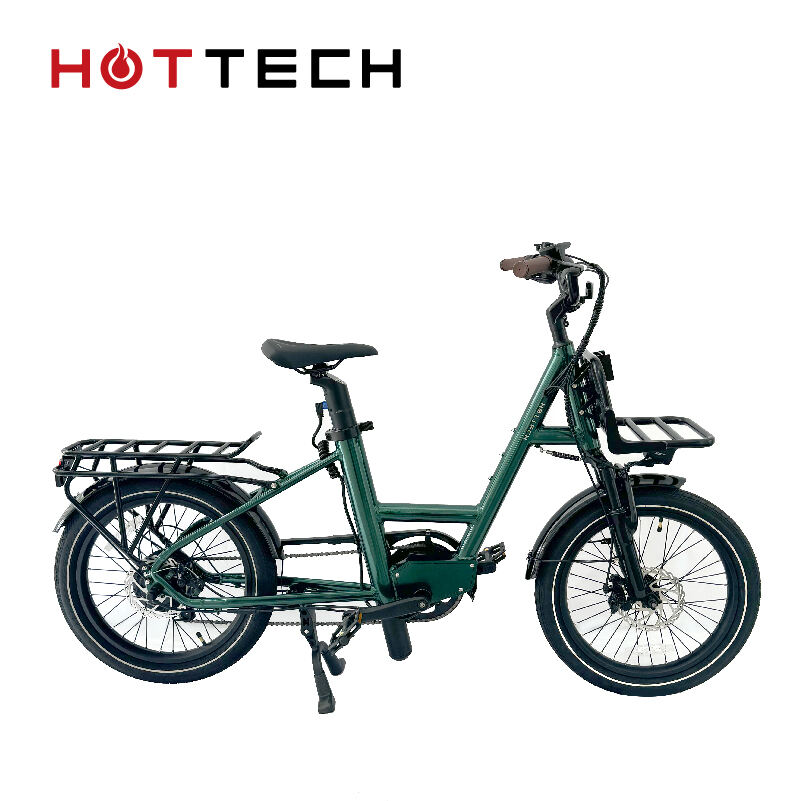
Η εμφάνιση των ηλεκτρικών ποδηλάτων για μεταφορά φορτίου ως μετασχηματιστική δύναμη στις λειτουργίες παράδοσης αποτελεί θεμελιώδη αλλαγή προς μια βιώσιμη και αποτελεσματική αστική λογιστική. Αυτά τα ηλεκτρικά οχήματα συνδυάζουν την ευελιξία των παραδοσιακών ποδηλάτων με αυξημένη ικανότητα μεταφοράς και μειωμένη σωματική προσπάθεια για τους χειριστές. Οι εταιρείες παράδοσης αναγνωρίζουν ολοένα και περισσότερο ότι τα ηλεκτρικά ποδήλατα για μεταφορά φορτίου προσφέρουν στρατηγικό πλεονέκτημα στην υπέρβαση των περιορισμών των συμβατικών οχημάτων παράδοσης, ενώ ταυτόχρονα καλύπτουν τις απαιτήσεις των σύγχρονων καταναλωτών.
Οι οικονομικοί παράγοντες που κινητοποιούν την υιοθέτηση ηλεκτρικών ποδηλάτων για μεταφορά φορτίου
Μείωση Λειτουργικών Κόστων
Οι οικονομικές ενισχύσεις για την υιοθέτηση ηλεκτρικών ποδηλάτων μεταφοράς φορτίου στις λειτουργίες διανομής εκτείνονται πολύ πέρα από τους αρχικούς παράγοντες αγοράς. Το κόστος καυσίμων, το οποίο μπορεί να αντιπροσωπεύει έως και τριάντα τοις εκατό των λειτουργικών δαπανών παραδοσιακών οχημάτων διανομής, εξαφανίζεται σχεδόν εντελώς με τα ηλεκτρικά ποδήλατα μεταφοράς φορτίου. Οι απαιτήσεις συντήρησης για τα ηλεκτρικά ποδήλατα μεταφοράς φορτίου είναι σημαντικά χαμηλότερες από εκείνες των κινητήρων εσωτερικής καύσης, μειώνοντας τόσο το κόστος προγραμματισμένων όσο και απρόβλεπτων επισκευών.
Τα ασφάλιστρα για τα ηλεκτρικά ποδήλατα μεταφοράς φορτίου είναι συνήθως πολύ χαμηλότερα από εκείνα για τα φορτηγάκια ή τα φορτηγά διανομής, καθώς αυτά τα οχήματα ενέχουν χαμηλότερα επίπεδα κινδύνου και προκαλούν ελάχιστη ζημιά στην υποδομή. Τα τέλη στάθμευσης και τα τέλη συμφόρησης, τα οποία επιβαρύνουν ολοένα και περισσότερο τις αστικές λειτουργίες διανομής, αναστέλλονται συχνά ή μειώνονται για τα ηλεκτρικά ποδήλατα μεταφοράς φορτίου σε πολλές μεγαλουπόλεις.
Οι βελτιώσεις της αποδοτικότητας της εργασίας συνεισφέρουν επιπλέον οικονομικά οφέλη όταν το προσωπικό παράδοσης μπορεί να ολοκληρώνει περισσότερες παραδόσεις ανά ώρα χρησιμοποιώντας ηλεκτρικά φορτηγά ποδήλατα. Η δυνατότητα κίνησης μέσα από την κυκλοφορία, η πρόσβαση σε πεζοδρόμια και η άμεση στάθμευση δίπλα στα σημεία παράδοσης μειώνουν τον χρόνο που απαιτείται για κάθε κύκλο παράδοσης.
Ανάλυση Κεφαλαίου Επένδυσης και Απόδοσης
Η αρχική επένδυση κεφαλαίου για ηλεκτρικά φορτηγά ποδήλατα αντιπροσωπεύει ένα κλάσμα του κόστους που συνδέεται με την αγορά φορτηγών ή φορτηγών αυτοκινήτων παράδοσης. Ένα υψηλής ποιότητας ηλεκτρικό φορτηγό ποδήλατο μπορεί να αποκτηθεί για περίπου δέκα έως δεκαπέντε τοις εκατό του κόστους ενός συγκρίσιμου εμπορικού οχήματος παράδοσης, κάνοντας έτσι τη διεύρυνση του στόλου πιο προσιτή για εταιρείες λογιστικής όλων των μεγεθών.
Οι πίνακες απόσβεσης για τα ηλεκτρικά ποδήλατα μεταφοράς εμπορευμάτων εκτείνονται συνήθως σε μακρύτερες περιόδους σε σύγκριση με τα παραδοσιακά οχήματα, καθώς οι ηλεκτρικοί κινητήρες και τα εξαρτήματα ποδηλάτων υφίστανται λιγότερη φθορά από τα περίπλοκα αυτοκινητοβιομηχανικά συστήματα. Η αντικατάσταση της μπαταρίας, παρόλο που είναι αναγκαία κάθε τρία έως πέντε χρόνια, κοστίζει σημαντικά λιγότερο από τις μεγάλες επισκευές κινητήρα ή τις επισκευές του κιβωτίου ταχυτήτων, οι οποίες είναι συνήθεις στα συμβατικά οχήματα διανομής.
Οι κυβερνητικές κινήτρα και επιδοτήσεις για την υιοθέτηση ηλεκτρικών οχημάτων φορτηγά Ηλεκτρικά ποδήλατα , βελτιώνοντας περαιτέρω τον υπολογισμό της απόδοσης της επένδυσης. Οι φορολογικές ελαφρύνσεις, οι επιδοτήσεις και οι επιταχυνόμενες ρυθμίσεις απόσβεσης μπορούν να μειώσουν την αποτελεσματική τιμή αγοράς κατά είκοσι έως σαράντα τοις εκατό σε πολλές νομοθετικές διατάξεις.
Περιβαλλοντικοί Κανονισμοί και Απαιτήσεις Βιωσιμότητας
Πρότυπα Ποιότητας της Ατμόσφαιρας στις Αστικές Περιοχές
Οι δημοτικές αρχές παγκοσμίως εφαρμόζουν ολοένα και πιο αυστηρούς κανονισμούς για την ποιότητα του αέρα, οι οποίοι επηρεάζουν άμεσα τις λειτουργίες παράδοσης. Οι ζώνες χαμηλών εκπομπών (LEZ) και οι ζώνες εξαιρετικά χαμηλών εκπομπών (ULEZ) περιορίζουν ή απαγορεύουν την είσοδο οχημάτων που κινούνται με ντήζελ ή βενζίνη σε πολλά κέντρα πόλεων, δημιουργώντας λειτουργικά εμπόδια για τους παραδοσιακούς στόλους παράδοσης.
Τα φορτηγά ηλεκτρικά ποδήλατα παράγουν μηδενικές απευθείας εκπομπές κατά τη λειτουργία τους, διασφαλίζοντας τη συμμόρφωση με τους ισχύοντες και τους προσεχείς περιβαλλοντικούς κανονισμούς. Αυτό το πλεονέκτημα συμμόρφωσης με τη νομοθεσία εκτείνεται πέραν της άμεσης λειτουργικής πρόσβασης και περιλαμβάνει ενδεχόμενη προτίμηση κατά τις διαδικασίες έκδοσης αδειών και άδειας λειτουργίας.
Οι υποχρεώσεις μείωσης του ανθρακικού αποτυπώματος επηρεάζουν ολοένα και περισσότερο τις επιχειρηματικές αποφάσεις προμηθειών, καθώς οι επιχειρήσεις αναζητούν εταίρους στον τομέα των μεταφορών που συμβαδίζουν με τις δεσμεύσεις τους για βιωσιμότητα. Οι επιχειρήσεις που χρησιμοποιούν ηλεκτρικά ποδήλατα μεταφοράς μπορούν να προσφέρουν μετρήσιμα περιβαλλοντικά οφέλη, τα οποία ενισχύουν την ανταγωνιστική τους θέση κατά τον υποβολή προσφορών για συμβάσεις με πελάτες που ενδιαφέρονται ιδιαίτερα για το περιβάλλον.
Ενσωμάτωση Εταιρικής Κοινωνικής Ευθύνης
Η επίγνωση των καταναλωτών για τα περιβαλλοντικά ζητήματα συνεχίζει να επηρεάζει τις αποφάσεις αγοράς, με πολλούς πελάτες να προτιμούν επιχειρήσεις που επιδεικνύουν πραγματική δέσμευση για τη βιωσιμότητα. Οι εταιρείες διανομής που χρησιμοποιούν ηλεκτρικά ποδήλατα μεταφοράς μπορούν να αξιοποιήσουν αυτήν την περιβαλλοντική θέση ως μάρκετινγκ πλεονέκτημα και διαφοροποιητικό στοιχείο της μάρκας.
Η ικανοποίηση των εργαζομένων και τα πλεονεκτήματα στην πρόσληψη συνοδεύουν συχνά την υιοθέτηση οικολογικών μεθόδων παράδοσης. Οι εργαζόμενοι εκτιμούν το γεγονός ότι συνδέονται με εταιρείες που δίνουν προτεραιότητα στην περιβαλλοντική ευθύνη, ενώ τα ηλεκτρικά φορτηγά ποδήλατα προσφέρουν ένα πιο ευχάριστο εργασιακό περιβάλλον, ελεύθερο από θόρυβο κινητήρα και καυσαέρια.
Οι απαιτήσεις για αναφορές προς τους ενδιαφερόμενους φορείς απαιτούν ολοένα και περισσότερο λεπτομερή δεδομένα σχετικά με την περιβαλλοντική επίδραση, ενώ τα ηλεκτρικά φορτηγά ποδήλατα παρέχουν σαφείς μετρικές για την απόδειξη μειώσεων των εκπομπών και της προόδου προς τη βιωσιμότητα. Αυτή η διαφάνεια υποστηρίζει τους στόχους της εταιρικής διακυβέρνησης και τις δραστηριότητες σχέσεων με τους επενδυτές.
Αποδοτικότητα Λειτουργίας και Πλεονεκτήματα Απόδοσης
Πλεονεκτήματα Αστικής Κινητικότητας και Πρόσβασης
Η κυκλοφοριακή συμφόρηση αποτελεί μία από τις σημαντικότερες προκλήσεις που αντιμετωπίζουν οι αστικές λειτουργίες παράδοσης, πολλές φορές διπλασιάζοντας ή τριπλασιάζοντας τους χρόνους παράδοσης κατά τις ώρες αιχμής. Τα ηλεκτρικά φορτηγά ποδήλατα μπορούν να χρησιμοποιούν λωρίδες ποδηλάτων, πεζοδρόμια και εναλλακτικές διαδρομές που δεν είναι προσβάσιμες σε μεγαλύτερα οχήματα, διατηρώντας έτσι σταθερά χρονοδιαγράμματα παράδοσης ανεξάρτητα από τις κυκλοφοριακές συνθήκες.
Οι περιορισμοί στη στάθμευση που πλήττουν τα οχήματα διανομής σε πυκνές αστικές περιοχές καθίστανται ανεπίκαιροι με τα ηλεκτρικά ποδήλατα μεταφοράς φορτίου, τα οποία μπορούν να τοποθετηθούν αμέσως δίπλα στα σημεία παράδοσης. Αυτή η εγγύτητα μειώνει τη σωματική προσπάθεια που απαιτείται για τη μεταφορά των δεμάτων και ελαχιστοποιεί τον κίνδυνο κλοπής κατά τη διαδικασία παράδοσης.
Οι περιορισμοί πρόσβασης σε κτίρια, οι οποίοι περιορίζουν τα οχήματα διανομής σε χώρους φόρτωσης ή σε συγκεκριμένα χρονικά παράθυρα, συχνά δεν ισχύουν για τα ηλεκτρικά ποδήλατα μεταφοράς φορτίου. Το προσωπικό διανομής μπορεί να εισέρχεται σε κατοικιακά συγκροτήματα, γραφεία και καταστήματα λιανικής μέσω των κύριων εισόδων, βελτιώνοντας την ευκολία και την ικανοποίηση των πελατών.
Βελτιστοποίηση της ταχύτητας και της συχνότητας διανομής
Η συνδυασμένη δυνατότητα αποφυγής της κυκλοφοριακής συμφόρησης και άμεσης στάθμευσης επιτρέπει στα ηλεκτρικά ποδήλατα μεταφοράς φορτίου να ολοκληρώνουν σημαντικά μεγαλύτερο αριθμό παραδόσεων ανά ώρα σε σύγκριση με τα παραδοσιακά οχήματα σε αστικά περιβάλλοντα. Πολλές βιομηχανικές μελέτες δείχνουν ότι τα ηλεκτρικά ποδήλατα μεταφοράς φορτίου μπορούν να επιτύχουν ρυθμούς παράδοσης είκοσι έως σαράντα τοις εκατό υψηλότερους από εκείνους των φορτηγάκων σε λειτουργίες στο κέντρο της πόλης.
Οι πρόοδοι στην τεχνολογία των μπαταριών έχουν επεκτείνει την εμβέλεια λειτουργίας των ηλεκτρικών φορτηγών ποδηλάτων, ώστε να υποστηρίζουν πλήρεις ημερήσιες χρονοδιαγράμματα παραδόσεων χωρίς την ανάγκη φόρτισης κατά τη διάρκεια της ημέρας. Τα σύγχρονα ηλεκτρικά φορτηγά ποδήλατα μπορούν να καλύψουν αποστάσεις που υπερβαίνουν τα εκατό χιλιόμετρα με μία μόνο φόρτιση, διατηρώντας παράλληλα σταθερή απόδοση καθ’ όλη τη διάρκεια λειτουργίας τους.
Οι βελτιώσεις στην ικανότητα φόρτωσης των σχεδιασμών ηλεκτρικών φορτηγών ποδηλάτων επιτρέπουν πλέον τη μεταφορά φορτίων συγκρίσιμων με εκείνα μικρών φορτηγών οχημάτων παραδόσεων, με ειδικά μοντέλα που υποστηρίζουν έως και διακόσια κιλά φορτίου. Αυτή η διεύρυνση της ικανότητας επιτρέπει στα ηλεκτρικά φορτηγά ποδήλατα να ανταποκρίνονται σε ένα ευρύτερο φάσμα απαιτήσεων παράδοσης χωρίς να θυσιάζεται η αποδοτικότητα.
Ενσωμάτωση Τεχνολογίας και Έξυπνη Λογιστική
Βελτιστοποίηση Διαδρομής και Ενσωμάτωση GPS
Οι σύγχρονες ηλεκτρικές ποδηλατοφόρτωσης ενσωματώνονται απρόσκοπτα με προηγμένο λογισμικό βελτιστοποίησης διαδρομών, το οποίο λαμβάνει υπόψη την υποδομή ειδικά για ποδήλατα και τα μοτίβα κυκλοφορίας. Αυτά τα συστήματα μπορούν να εντοπίζουν τις πιο αποτελεσματικές διαδρομές που χρησιμοποιούν λωρίδες ποδηλάτων, αποφεύγουν απότομες κλίσεις και ελαχιστοποιούν την κατανάλωση ενέργειας, ενώ ταυτόχρονα μεγιστοποιούν την πυκνότητα παραδόσεων.
Οι δυνατότητες πραγματικού χρόνου για παρακολούθηση που ενσωματώνονται στις ηλεκτρικές ποδηλατοφόρτωσης παρέχουν στους διαχειριστές λογιστικής ακριβείς πληροφορίες θέσης και ενημερώσεις για την πρόοδο των παραδόσεων. Αυτή η ορατότητα διευκολύνει τις δυναμικές προσαρμογές διαδρομών, τη βελτίωση της επικοινωνίας με τους πελάτες και την παρακολούθηση της απόδοσης, υποστηρίζοντας τη συνεχή βελτιστοποίηση των λειτουργιών.
Τα συστήματα διαχείρισης μπαταριών στις σύγχρονες ηλεκτρικές ποδηλατοφόρτωσης επικοινωνούν με πλατφόρμες διαχείρισης στόλου για να προβλέπουν περιορισμούς εμβέλειας και να προγραμματίζουν δραστηριότητες φόρτισης. Αυτή η ενσωμάτωση αποτρέπει διακοπές της υπηρεσίας και διασφαλίζει τη βέλτιστη αξιοποίηση των οχημάτων καθ’ όλη τη διάρκεια των ωρών λειτουργίας.
Ανάλυση Δεδομένων και Παρακολούθηση Απόδοσης
Οι εκτεταμένες δυνατότητες συλλογής δεδομένων στα φορτηγά ηλεκτρικά ποδήλατα (cargo E-bikes) παράγουν λεπτομερείς ενστικτώδεις πληροφορίες για τα μοτίβα παράδοσης, την κατανάλωση ενέργειας και τη λειτουργική απόδοση. Αυτές οι πληροφορίες υποστηρίζουν τη λήψη αποφάσεων με βάση επιστημονικά τεκμηριωμένα στοιχεία, όσον αφορά τον σχεδιασμό διαδρομών, την ανάθεση οχημάτων και τη βελτιστοποίηση του επιπέδου υπηρεσίας.
Οι αλγόριθμοι προληπτικής συντήρησης αναλύουν τα μοτίβα χρήσης και την απόδοση των εξαρτημάτων για να προγραμματίζουν δραστηριότητες συντήρησης πριν από την εμφάνιση βλαβών. Αυτή η προληπτική προσέγγιση ελαχιστοποιεί τον χρόνο αδράνειας, επεκτείνει τη διάρκεια ζωής του οχήματος και μειώνει το κόστος απρόβλεπτων επισκευών.
Τα μετρήσιμα κριτήρια ικανοποίησης των πελατών μπορούν να συσχετιστούν απευθείας με τα δεδομένα απόδοσης των φορτηγών ηλεκτρικών ποδηλάτων (cargo E-bikes), επιτρέποντας στις εταιρείες λογιστικής να εντοπίζουν ευκαιρίες βελτίωσης της υπηρεσίας και να αποδεικνύουν την αξία τους στους πελάτες τους. Αυτή η αναλυτική δυνατότητα υποστηρίζει τις διαπραγματεύσεις συμβάσεων και τις δραστηριότητες ανταγωνιστικής θέσης.
Τάσεις Αγοράς και Μελλοντικές Προβλέψεις
Μοτίβα Υιοθέτησης της Βιομηχανίας
Οι κορυφαίες εταιρείες λογιστικής σε όλη την Ευρώπη, τη Βόρεια Αμερική και την Ασία έχουν εφαρμόσει προγράμματα μεγάλης κλίμακας εμπορευματικών ηλεκτρικών ποδηλάτων, τα οποία αποδεικνύουν την εφαρμοσιμότητα αυτής της τεχνολογίας για εμπορικές παραδόσεις. Οι πρώιμοι χρήστες αναφέρουν σημαντικές βελτιώσεις στην αποδοτικότητα των παραδόσεων, στη μείωση του κόστους και στα μέτρα ικανοποίησης των πελατών.
Η ανάπτυξη του ηλεκτρονικού εμπορίου συνεχίζει να διεγείρει τη ζήτηση για αποτελεσματικές λύσεις τελικού σταθμού (last-mile), με τα εμπορευματικά ηλεκτρικά ποδήλατα να είναι ιδιαίτερα κατάλληλα για την αντιμετώπιση του αυξανόμενου όγκου μικρών πακέτων σε αστικές περιοχές. Έρευνες αγοράς δείχνουν ότι οι ρυθμοί υιοθέτησης εμπορευματικών ηλεκτρικών ποδηλάτων επιταχύνονται, καθώς οι εταιρείες λογιστικής αναγνωρίζουν τα ανταγωνιστικά πλεονεκτήματα που προσφέρουν αυτά τα οχήματα.
Η υποστήριξη της κυβέρνησης για την ανάπτυξη υποδομών ηλεκτρικών οχημάτων περιλαμβάνει ηλεκτρικά ποδήλατα φορτίου σε πολλές δικαιοδοσίες, δημιουργώντας ευνοϊκές συνθήκες για τη συνεχή υιοθέτησή τους. Η διεύρυνση των σταθμών φόρτισης, η δημιουργία αφιερωμένων υποδομών για την κυκλοφορία ποδηλάτων και οι ρυθμιστικές πλαίσια που έχουν σχεδιαστεί ειδικά για να υποστηρίζουν τα ηλεκτρικά ποδήλατα φορτίου διευκολύνουν την ανάπτυξη της αγοράς.
Εξέλιξη και καινοτομία της τεχνολογίας
Οι βελτιώσεις στην τεχνολογία των μπαταριών συνεχίζουν να ενισχύουν την απόδοση και τη λειτουργική ευελιξία των ηλεκτρικών ποδηλάτων φορτίου. Οι πρόοδοι στην πυκνότητα ενέργειας, στην ταχύτητα φόρτισης και στη διάρκεια ζωής των μπαταριών μεταφράσσονται απευθείας σε βελτιωμένη αυτονομία, μειωμένη αδράνεια και χαμηλότερο λειτουργικό κόστος για τις εταιρείες διανομής.
Δυνατότητες αυτόνομης πλοήγησης ενσωματώνονται στα ηλεκτρικά ποδήλατα φορτίου μέσω πιλοτικών προγραμμάτων που εξερευνούν το δυναμικό ανεπιτηρήτων λειτουργιών διανομής. Αν και η πλήρης αυτονομία απέχει ακόμη χρόνια, ημιαυτόνομα χαρακτηριστικά, όπως η αυτόματη στάθμευση και τα συστήματα πρόληψης κλοπής, είναι ήδη διαθέσιμα σε εμπορικά μοντέλα.
Η ενσωμάτωση με πλατφόρμες Διαδικτύου Αντικειμένων (IoT) επιτρέπει στα φορτηγά ηλεκτρικά ποδήλατα να επικοινωνούν με την υποδομή της έξυπνης πόλης, βελτιστοποιώντας την κυκλοφορία και μειώνοντας την κατανάλωση ενέργειας μέσω συντονισμένης δρομολόγησης. Αυτή η σύνδεση υποστηρίζει ευρύτερους στόχους αστικού σχεδιασμού, ενώ βελτιώνει την αποδοτικότητα των παραδόσεων.
Συχνές Ερωτήσεις
Ποια είναι η τυπική χωρητικότητα φορτίου των σύγχρονων φορτηγών ηλεκτρικών ποδηλάτων που χρησιμοποιούνται σε λειτουργίες παράδοσης;
Τα σύγχρονα φορτηγά ηλεκτρικά ποδήλατα που σχεδιάζονται για εμπορικές λειτουργίες παράδοσης υποστηρίζουν συνήθως χωρητικότητες φορτίου που κυμαίνονται από 100 έως 200 κιλά, ανάλογα με το συγκεκριμένο μοντέλο και τη διαμόρφωσή του. Ειδικά μοντέλα υψηλής αντοχής μπορούν να φιλοξενήσουν ακόμη μεγαλύτερα φορτία, διατηρώντας παράλληλα την ευελιξία και την αποδοτικότητα σε αστικά περιβάλλοντα.
Πώς επηρεάζουν οι καιρικές συνθήκες τη λειτουργική εφαρμοσιμότητα των φορτηγών ηλεκτρικών ποδηλάτων για υπηρεσίες παράδοσης;
Τα συστήματα προστασίας από τον καιρό και τα εξαρτήματα για όλες τις καιρικές συνθήκες επιτρέπουν στα ηλεκτρικά ποδήλατα μεταφοράς φορτίου να λειτουργούν αποτελεσματικά σε τις περισσότερες καιρικές συνθήκες, συμπεριλαμβανομένων βροχής και χιονιού. Η απόδοση της μπαταρίας ενδέχεται να μειωθεί σε ακραίες κρύες συνθήκες, αλλά τα σύγχρονα συστήματα διαχείρισης θερμότητας ελαχιστοποιούν αυτήν την επίδραση. Πολλές εταιρείες διανομής διατηρούν υβριδικά στόλα για να διασφαλίζουν τη συνέχεια των υπηρεσιών κατά τη διάρκεια σοβαρών καιρικών φαινομένων.
Ποιες απαιτήσεις υποδομής πρέπει να λάβουν υπόψη οι εταιρείες λογιστικής κατά την εφαρμογή στόλων ηλεκτρικών ποδηλάτων μεταφοράς φορτίου;
Η επιτυχημένη εφαρμογή ηλεκτρικών ποδηλάτων μεταφοράς φορτίου απαιτεί κατάλληλη υποδομή φόρτισης, ασφαλείς χώρους στάθμευσης και δυνατότητες συντήρησης. Οι εταιρείες χρειάζονται συνήθως αφιερωμένους σταθμούς φόρτισης στα κέντρα διανομής, χώρους αποθήκευσης προστατευμένους από τον καιρό και πρόσβαση σε εξειδικευμένους παρόχους υπηρεσιών που είναι εξοικειωμένοι με τα συστήματα και τα εξαρτήματα ηλεκτρικών ποδηλάτων.
Πώς συγκρίνεται το συνολικό κόστος κατοχής (TCO) των ηλεκτρικών ποδηλάτων μεταφοράς φορτίου με το αντίστοιχο κόστος παραδοσιακών οχημάτων διανομής για περίοδο πέντε ετών;
Η ανάλυση του συνολικού κόστους κατοχής δείχνει συνήθως ότι οι ηλεκτρικές ποδηλατοφόρτωσης προσφέρουν εξοικονόμηση κόστους 40-60% σε σύγκριση με τα παραδοσιακά φορτηγάκια παράδοσης για πενταετή περίοδο. Αυτή η εξοικονόμηση προκύπτει από χαμηλότερες τιμές αγοράς, ελάχιστο κόστος καυσίμων, μειωμένες απαιτήσεις συντήρησης και χαμηλότερα ασφάλιστρα, αν και τα συγκεκριμένα αποτελέσματα διαφέρουν ανάλογα με τα πρότυπα χρήσης και τις τοπικές συνθήκες λειτουργίας.
Περιεχόμενα
- Οι οικονομικοί παράγοντες που κινητοποιούν την υιοθέτηση ηλεκτρικών ποδηλάτων για μεταφορά φορτίου
- Περιβαλλοντικοί Κανονισμοί και Απαιτήσεις Βιωσιμότητας
- Αποδοτικότητα Λειτουργίας και Πλεονεκτήματα Απόδοσης
- Ενσωμάτωση Τεχνολογίας και Έξυπνη Λογιστική
- Τάσεις Αγοράς και Μελλοντικές Προβλέψεις
-
Συχνές Ερωτήσεις
- Ποια είναι η τυπική χωρητικότητα φορτίου των σύγχρονων φορτηγών ηλεκτρικών ποδηλάτων που χρησιμοποιούνται σε λειτουργίες παράδοσης;
- Πώς επηρεάζουν οι καιρικές συνθήκες τη λειτουργική εφαρμοσιμότητα των φορτηγών ηλεκτρικών ποδηλάτων για υπηρεσίες παράδοσης;
- Ποιες απαιτήσεις υποδομής πρέπει να λάβουν υπόψη οι εταιρείες λογιστικής κατά την εφαρμογή στόλων ηλεκτρικών ποδηλάτων μεταφοράς φορτίου;
- Πώς συγκρίνεται το συνολικό κόστος κατοχής (TCO) των ηλεκτρικών ποδηλάτων μεταφοράς φορτίου με το αντίστοιχο κόστος παραδοσιακών οχημάτων διανομής για περίοδο πέντε ετών;