
 EN
EN
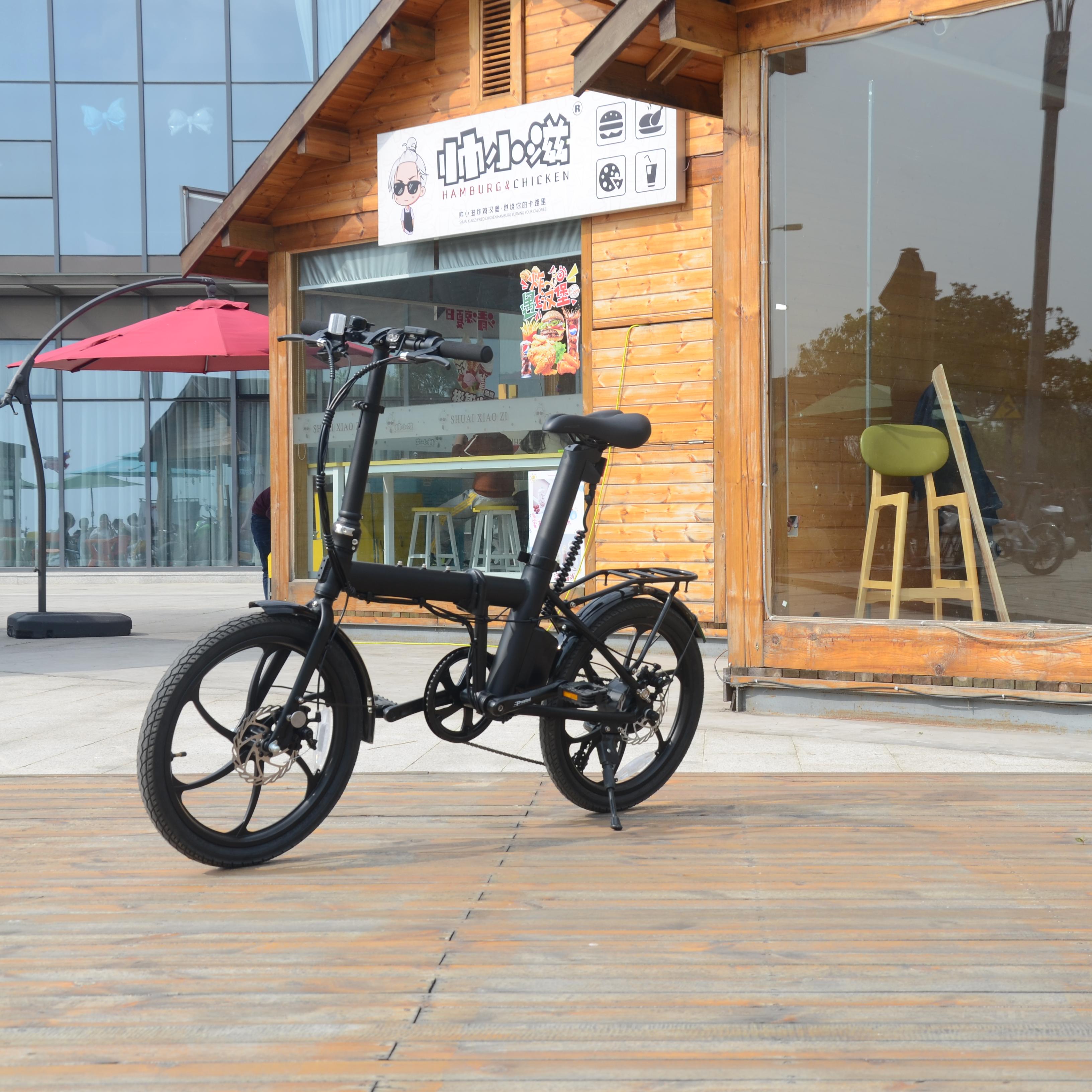
Увеличаването на предизвикателствата при градското придвижване предизвика транспортна революция, с гъвкавият сгъваеми електрически велосипеди изникват като практично решение за съвременните професионалисти и градските жители. Тези компактни, универсални превозни средства комбинират удобството на традиционните велосипеди с електрическа помощ, създавайки идеален баланс между устойчивост, ефективност и преносимост. Докато метрополите стават все по-натоварени и осъзнаването за околната среда расте, пълните електрически велосипеди предлагат интелигентна алтернатива на конвенционалните начини на придвижване, отговорявайки както на ограниченията в пространството, така и на нуждите от мобилност в съвременните градски среди.
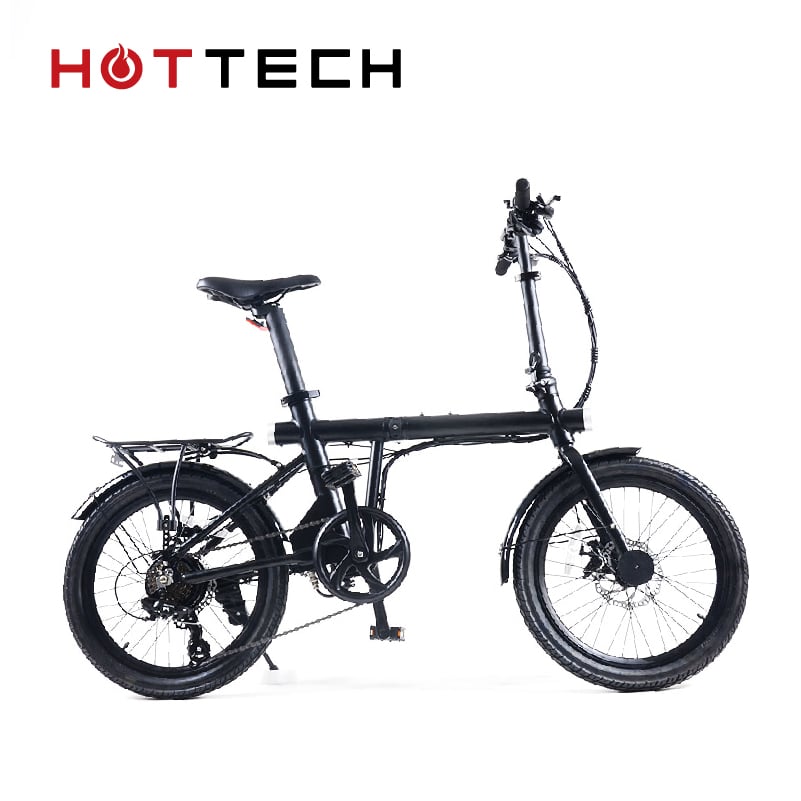
Разбиране на технологията на пълните електрически велосипеди
Основни компоненти и principio на проектиране
Инженерното решение зад едно гъвкаво електрическо колело включва сложни механични системи, проектирани да запазят структурната цялостност, докато осигуряват компактно съхранение. Рамата използва конструкция от високопрочитен алуминиев сплав или стомана, включваща прецизни шарнири и заключващи механизми, които гарантират стабилност по време на работа. Тези шарнири представляват критични инженерни точки, където безопасността се среща с функционалността, и изискват материали, които могат да издържат на многократни цикли на сгъване, като в същото време запазват твърдост при натоварване.
Системите за електрическо задвижване в преносими модели на електрически колело обикновено използват безчеткови мотори, интегрирани в предното или задното колело, осигуряващи плавно предаване на мощност без сложни модификации на предавателната система. Контролерът управлява разпределението на енергията от батерийни пакети с литиево-йонна технология, които са разположени стратегически за запазване на баланса и остават лесно достъпни за зареждане и поддръжка. Напредналите модели включват системи за рекуперативно спиране, които улавят кинетичната енергия по време на забавяне, удължавайки общия обхват и подобрявайки енергийната ефективност.
Технология на батерии и аспекти на производителността
Съвременните системи за батерии на сгъваеми електрически велосипеди използват технологии с литиево-йонни батерии, които предлагат по-висока плътност на енергия в сравнение с традиционните алтернативи с олово-киселина. Тези батерии обикновено осигуряват изходно напрежение от 36 V до 48 V и капацитет от 10 Ah до 20 Ah, което отговаря на практически пробег от 25 до 60 мили на заряд, в зависимост от терена, теглото на шофьора и избраното ниво на подпомагане. Системите за управление на батерии следят отделните напрежения на клетките, температурите и циклите на зареждане, за да оптимизират продължителността на живот и да предотвратят опасни състояния.
Съвместимостта с инфраструктурата за зареждане става от решаващо значение при оценката на опциите за панерни електрически велосипеди, тъй като повечето модели включват сменяеми батерийни блокове, които могат да се зареждат независимо от велосипеда. Стандартното време за зареждане варира между 3 и 6 часа за пълен цикъл, като някои системи за бързо зареждане съкращават този период до 2 часа. Интелигентни контролери за зареждане предотвратяват прекомерното зареждане и включват функции за безопасност, като термична защита и регулиране на напрежението, за поддържане на здравословното състояние на батерията през стотици цикъла на зареждане.
Размер и фактори за преносимост
Механизми за сгъване и размери при съхранение
Възможността за сгъване на сгъваеми електрически велосипеди влияе директно върху приложимостта му за ежедневна употреба, особено в условията на ограниченото пространство като апартаменти, офиси или обществен транспорт. Стандартните размери при сгънато положение обикновено намаляват велосипеда до около 30 инча на 25 инча на 15 инча, когато е сгънат, макар че конкретните измервания варирали значително между производителите и моделите. Процесът на сгъване трябва да изисква минимални усилия и време, идеално завършвайки за по-малко от 30 секунди, без да се нуждае от инструменти или сложни процедури.
Разпределението на теглото има решаваща роля за управлението на пъртичковия електрически велосипед както при каране, така и при пренасяне на сгънатия модел. Повечето модели тежат между 35 и 55 паунда, като батерията допринася с 6 до 10 паунда към общото тегло. Интегрирани дръжки за пренасяне или варианти за съхранение с колелца значително подобряват преносимостта при движение по стълби, асансьори или навалисти места. Някои напреднали конструкции включват бързодействащи механизми за основните компоненти, което позволява допълнително намаляване на теглото, когато е необходимо.
Влияние на размера на колелата върху производителността и преносимостта
Изборът на диаметъра на колелото значително влияе върху каращите качества и компактността при сгъване на електрическите велосипеди. Често срещаните размери на колелата за сгъваеми е-велосипеди включват 16-инчови, 20-инчови и 24-инчови варианти, като всеки от тях има свои предимства и ограничения. По-малките колела допринасят за по-компактни размери при сгъване и по-лека обща маса, но могат да намалят качеството на ездата по неравни повърхности и да понижат устойчивостта при по-високи скорости.
Двадесет-инчовите колела представляват най-популярния компромис в дизайна на сгъваеми електрически велосипеди, осигурявайки разумно удобство при ездата, докато запазват приемливи размери при сгъване. Тези колела предлагат подобрено запазване на инерцията в сравнение с 16-инчовите аналогы, като при това все още се сгъват до размери, подходящи за багажници на коли, гардероби или съхранение под бюро. Изборът на гуми в рамките на всеки размер колела допълнително влияе на представянето, като по-широките гуми подобряват удобството и сцеплението, но увеличават обема и теглото при сгънато състояние.
Обсег и производителност на батерията
Фактори, влияещи на електрическия обхват
Практическият обхват на път от електрическо гънкаво колело зависи от множество свързани променливи, които бъдещите купувачи трябва да разберат, за да вземат обосновани решения. Теглото на шофьора значително влияе на консумацията на енергия, като по-тежките шофьори изпитват намален обхват поради увеличената нужда от натоварване на мотора. Характеристиките на терена, включително промените в надморската височина, състоянието на повърхността и съпротивлението от насрещен вятър, могат значително да повлияят на скоростта на консумация на батерията, като хълмистите маршрути потенциално намаляват обхвата с 30 до 50 процента в сравнение с равна местност.
Изборът на ниво на подкрепа позволява на шофьорите да балансират обхвата спрямо усилието, като по-ниските нива на подкрепа удължават живота на батерията, но изискват по-голямо педалиране. Повечето системи за гъвкави електрически велосипеди предлагат от три до пет нива на подкрепа, вариращи от минимална подкрепа, която удължава обхвата, до максимална помощ, която поставя лесното каране над запазването на батерията. Екстремните температури също влияят на производителността на батерията, като студеното време може да намали капацитета с до 20 процента, докато прекомерната топлина може да ускори деградацията на батерията с времето.
Капацитет на батерията и инфраструктура за зареждане
Капацитетът на батерията, измерен в ампер-часове (Ah) или ват-часове (Wh), е директно свързан с потенциалния обхват и представлява ключова спецификация при оценката на пълните електрически колелета. Батериите с по-голям капацитет осигуряват по-голям обхват, но увеличават теглото и цената, което изисква внимателно съобразяване на индивидуалните нужди спрямо практическите ограничения. Дизайните с отнемаеми батерии предлагат гъвкавост при зареждането, като позволяват на потребителите да зареждат батериите на закрито, докато рамата на колелото е заключена отделно.
Съображенията относно инфраструктурата за зареждане отиват зад пределите на домашното зареждане и включват съвместимост с работното място, наличност на обществени зарядни станции и решения за зареждане по време на пътуване. Повечето зарядни устройства за пълни електрически колелета работят с обикновен домашен ток, като изискват 2 до 4 ампера по време на циклите на зареждане. Умни функции за зареждане, включително автоматично изключване и следене на състоянието на батерията, помагат за оптимизиране на продължителността на живот на батерията и предотвратяване на повреди от неправилни практики при зареждане, които биха могли да намалят общия ѝ живот.
Оценка на качеството и издръжливостта при производство
Конструкция на рамата и избор на материали
Конструктивната цялост на рамата на пътнически електрически велосипед с гъвкаво сгъване е от основно значение за безопасността и дълготрайността, тъй като механизмите за сгъване въвеждат потенциални точки на повреда, които изискват внимателно инженерство и качествени материали. Рамите от алуминиеви сплави предлагат отличен баланс между здравина и тегло, както и устойчивост на корозия и гъвкавост при производството. Стоманените рами, въпреки че са по-тежки, могат да предложат по-висока издръжливост и по-лесен ремонт, макар да изискват защитни покрития, за да се предпазят от ръжда в условия на влага или контакт със сол.
Качеството на заварката и усилването на връзките са от особено значение при конструирането на панелни електрически велосипеди, тъй като натрупването на напрежение в шарнирите за сгъване и точките на свързване изпитва по-големи натоварвания в сравнение с традиционните рами на велосипеди. Производителите на качествени продукти използват прецизна механична обработка на шарнирните компоненти и високопрочни фиксиращи елементи с подходящи спецификации за момент на затегчване. Редовната проверка на тези критични компоненти трябва да бъде част от рутинните процедури за поддръжка, за да се осигури продължаваща безопасна експлоатация.
Стандарти за качество и надеждност на компонентите
Надежността на електронните компоненти директно влияе върху дългосрочния опит при притежаването на пъкната електрическа колела, като контролерите на мотора, дисплеите и жичните усуквания представляват потенциални точки на повреда, които биха могли да наруши функционалността. Запечатани съединители и водоустойчиви корпуси предпазват чувствителната електроника от навлизане на влага, докато качествените производители предлагат всеобхватни гаранции, обхващащи както механични, така и електрически компоненти.
Спиращите системи изискват особено внимание при пъкнатите електрически колела, тъй като допълнителното тегло и възможностите за по-висока скорост изискват надеждна спирачна сила. Механичните дискови спирачки предлагат проста поддръжка и настройка, докато хидравличните системи осигуряват превъзходна модулация и сила при по-голяма сложност. Изборът на спирачни накладки и размерът на дисковете трябва да съответстват на очакваните модели на използване и теглото на шофьора, за да се гарантира последователна работа през целия експлоатационен живот на колелото.
Сигурносни функции и правила
Основни предпазни средства и стандарти
Интегрирането на предпазни средства отличава качествените модели гъвкави електрически велосипеди от по-простите алтернативи, като комплексните осветителни системи, светлоотразителни елементи и аудио предупредителни устройства допринасят за видимостта и предпазването от произшествия. LED осветителните системи трябва да осигуряват достатъчно осветление за каране през нощта, без да изразходват значителна енергия от основната батерийна система. Интегрираното осветление осигурява удобство и надеждност в сравнение с премахваемите аксесоари, които могат да бъдат забравени или откраднати.
Регулаторното съответствие варира значително между регионите, като максималните изходни мощности, ограниченията за скорост и изискванията за оборудване се различават в зависимост от юрисдикцията. Повечето модели гъвкави електрически велосипеди, предназначени за пазара на САЩ, отговарят на федерални разпоредби, които ограничават мощното на мотора до 750 вата и подпомаганата скорост до 20 мили в час за велосипеди от клас 1 и клас 2. Разбирането на местните правила помага за осигуряване на законна експлоатация и може да повлияе на застрахователното покритие или отговорностите.
Спиращи системи и интеграция на управлението
Напредналите конструкции на гъвкави електрически велосипеди интегрират системи за прекъсване на мотора при активиране на спирачките, незабавно преустановявайки помощта при задействане на спирачките. Тази предпазна функция предотвратява противоречиви команди и осигурява предвидими характеристики на забавяне. Интеграцията на сензорите за спирачки изисква правилна настройка и редовно обслужване, за да работи коректно, поради което е препоръчително професионална сглобка и периодично сервизно обслужване за оптимална безопасност.
Системите за антиблокиращо спирачно устройство (ABS) представляват нова технология в приложението на премиум пълдящи електрически велосипеди, предотвратявайки заключването на колелата по време на аварийни спирания или на хлъзгави повърхности. Въпреки че добавят сложност и разходи, ABS може значително да подобри безопасността, особено за неопитни шофьори или при неблагоприятно време, когато традиционните техники за спиране може да се окажат недостатъчни.
Анализ на разходите и разискване на стойността
Фактори на първоначалната покупна цена
Инвестицията, необходима за качествен пълдащ електрически велосипед, варира значително в зависимост от спецификациите на компонентите, репутацията на марката и сложността на функциите. Моделите от ниския клас могат да започнат от около 800 до 1200 щатски долара, докато премиум вариантите с напреднали функции могат да надвишат 3000 до 4000 щатски долара. Ёмкостта на батерията, мощността на мотора, материалите на рамата и качеството на компонентите са основните фактори, които определят цената и директно повлияват върху очакваната производителност и продължителност на живот.
Анализът на сравнителните разходи трябва да отчита пълната стойност на притежание, а не само първоначалната покупна цена. Компонентите с по-високо качество могат да имат по-висока цена, но често осигуряват по-дълъг експлоатационен срок, намалени нужди от поддръжка и по-добро гарантийно покритие. Освен това, закупуването на гъвкав електрически велосипед може да отговаря на изискванията за данъчни стимули или възврати в някои юрисдикции, което ефективно намалява необходимите нетни инвестиции.
Дългосрочни операционни разходи
Експлоатационните разходи при притежанието на гъвкав електрически велосипед включват разходи за електроенергия, резервни части, периодична поддръжка и евентуална подмяна на батерия след 3 до 5 години редовна употреба. Разходите за електроенергия остават минимални, обикновено между 0,05 и 0,15 долара за пълно зареждане, в зависимост от местните тарифи за ток и капацитета на батерията. Въпреки това, разходите за подмяна на батерия могат да достигнат от 300 до 800 долара, което представлява значителна част от първоначалната покупна цена.
Застрахователните съображения варират в зависимост от предвидената употреба и изискванията за покритие, като някои полици за домашно имущество или наемателно осигуряване покриват кражба или щети, докато при други може да се изисква отделно покритие. Професионалните услуги за поддръжка, макар и по избор за собствениците с технически умения, могат да струват от 100 до 200 долара годишно за комплексно обслужване, включващо регулиране на спирачките, почистване на задвижващата система и проверка на електрическата система.
ЧЗВ
Колко дълго обикновено трае батерията на пъткащ електрически велосипед?
Качествена батерия за пъткащ електрически велосипед обикновено осигурява срок на служене от 3 до 5 години при редовна употреба, което съответства на 500 до 1000 напълни цикъла на зареждане. Фактическата продължителност зависи от начина на използване, навиците при зареждане, условията на съхранение и околните фактори. Правилното поддържане, включително избягване на пълни разрядни цикли, съхранение при умерени температури и използване на подходящи зарядни устройства, може значително да удължи живота на батерията. Много производители предлагат 2-годишна гаранция за батерийните системи, като някои висококласни модели осигуряват разширено покритие.
Могат ли пълкащите електрически велосипеди ефективно да преодоляват стръмни хълмове?
Повечето гъвкави електрически велосипеди могат да преодоляват умерени хълмове с наклон до 15 процента, макар че представянето варира значително в зависимост от мощността на мотора, нивото на заряд на батерията и усилията на шофьора. По-мощните мотори (500–750 вата) осигуряват по-добри възможности за изкачване в сравнение с входнониво моделите с 250 вата. Теглото на шофьора и товарът влияят на производителността при изкачване, като по-леките натоварвания позволяват преодоляване на по-стръмни наклони. Изборът на предавки и педалирането остават важни за оптимално изкачване, тъй като изцяло електрическата мощност може да не бъде достатъчна за стръмни или продължителни изкачвания.
Какво поддържане е необходимо за гъвкави електрически велосипеди?
Редовното поддържане на гъвкав велосипед с електрическо задвижване включва почистване, смазване на веригата и предавателния механизъм, проверка на налягането в гумите, инспектиране на спирачната функция и наблюдение на състоянието на батерията. Механизмите за сгъване изискват периодично почистване и смазване, за да осигурят плавна работа и да предотвратят износване. Електрическите свързвания трябва да се поддържат чисти и сухи, като проводите се проверяват периодично за повреди или корозия. Професионално обслужване на всеки 6 до 12 месеца помага да се идентифицират потенциални проблеми, преди те да станат сериозни, особено за шофьори без механични умения.
Подходящи ли са гъвкавите електрически велосипеди за дълги разстояния при пътуване до работното място?
Сгъваемите електрически велосипеди могат ефективно да покриват разстояния до 20–30 мили на ден, в зависимост от капацитета на батерията и терена. За по-дълги пътувания може да се наложи зареждане в крайната точка или носят резервни батерии за по-голям обсег. Удобството става важно при разстояния над 10 мили, като качеството на седалката, положението при каране и амортисьорните системи влияят върху умората на шофьора. Възможността да се сгъне велосипедът и да се съхранява сигурно в дестинацията често компенсира малките неудобства в сравнение с традиционните велосипеди при градско придвижване.
Съдържание
- Разбиране на технологията на пълните електрически велосипеди
- Размер и фактори за преносимост
- Обсег и производителност на батерията
- Оценка на качеството и издръжливостта при производство
- Сигурносни функции и правила
- Анализ на разходите и разискване на стойността
-
ЧЗВ
- Колко дълго обикновено трае батерията на пъткащ електрически велосипед?
- Могат ли пълкащите електрически велосипеди ефективно да преодоляват стръмни хълмове?
- Какво поддържане е необходимо за гъвкави електрически велосипеди?
- Подходящи ли са гъвкавите електрически велосипеди за дълги разстояния при пътуване до работното място?