
 EN
EN
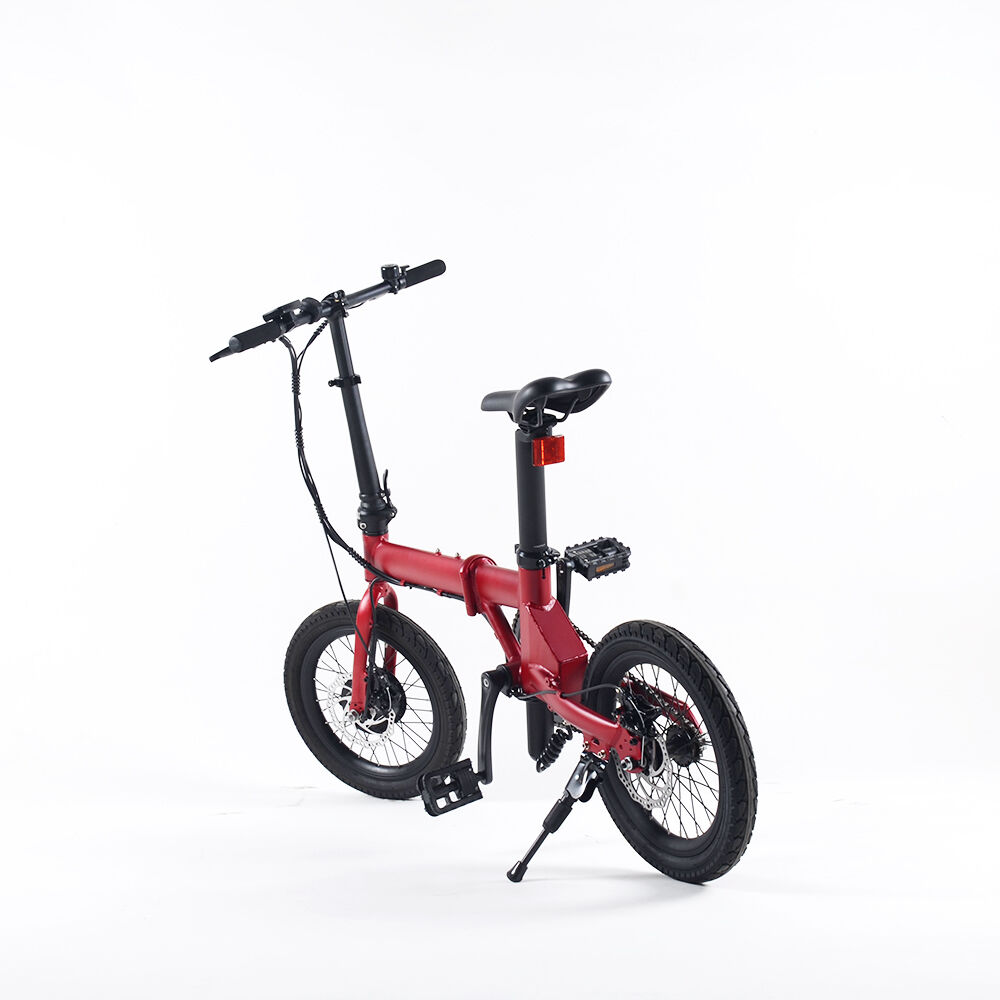
Световният пазар на електрически велосипеди продължава да преживява безпрецедентен ръст по време на приближаването към 2026 г., под driven от променящите се потребителски предпочитания, екологичната осведоменост и технологичния напредък. Аналитиците на отрасъла прогнозират, че пазарът на електрически велосипеди ще достигне забележителни стойности през следващите две години, което представлява значителни възможности за предприятия, които търсят да установят или разширят своето присъствие в сектора на електрическата мобилност. Разбирането на динамиката на пазара, моделите на потребителско поведение и възможностите за стратегически партньорства става съществено за компании, които целят да използват този разширяващ се пазарен пейзаж на електрическите велосипеди.
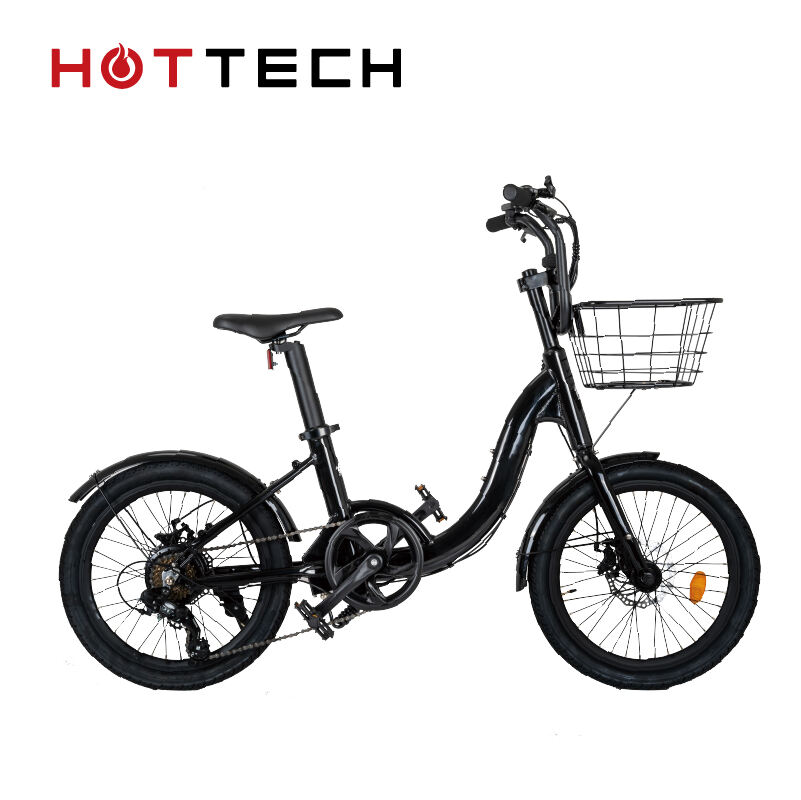
Стратегическите партньорства на пазара на електрически велосипеди изискват внимателно проучване на производствените възможности на производителите, разнообразието на техния асортимент и позиционирането им на пазара. Hotbik се откроява като привлекателен партньор за предприятия, които търсят комплексно проникване на пазара на електрически велосипеди чрез своя гъвкав асортимент от модели за градско, планинско и товарно използване. Този подход към партньорството позволява на компаниите да обслужват едновременно няколко пазарни сегмента, като използват установени производствени компетенции и проверени възможности за разработка на продукти, които са в съответствие с прогнозираните тенденции на пазара на електрически велосипеди до 2026 г.
Прогнози за растежа на пазара на електрически велосипеди и анализ на възможностите
Обем на пазара и прогнози за приходите
Пазарът на електрически велосипеди демонстрира устойчиви темпове на разширяване, които надхвърлят значително традиционните велосипедни демографски групи и обхващат градски пътници, любители на активен отдих на открито и оператори на търговски логистични услуги. Проучванията на пазара показват, че глобалната стойност на пазара на електрически велосипеди ще расте с годишни сложни темпове, надвишаващи средните за отрасъла, под влияние на увеличаващата се урбанизация, екологичните регулации и промяната в потребителските предпочитания към устойчиви алтернативи за превоз. Тази траектория на растеж създава значителни възможности за стратегически партньорства, които могат ефективно да овладеят разнообразни пазарни сегменти.
Прогнозите за приходите на пазара на електрически велосипеди до 2026 г. разкриват значителен потенциал в множество категории продукти, включително модели за градски превоз, рекреационни планински велосипеди и търговски товарни варианти. Географските модели на разширяване показват особена сила на европейския и северноамериканския пазар, където държавните стимули и развитието на инфраструктурата подпомагат ускореното внедряване на електрическите велосипеди. Разбирането на тези приходни потоци позволява на стратегическите партньори да позиционират своите продуктови портфолиа за максимално проникване на пазара и устойчив растеж.
Двигатели на потребителското търсене и промени в поведението
Анализът на потребителското поведение разкрива фундаментални промени в предпочитанията за транспорт, които директно влияят върху динамиката на пазара на електрически велосипеди и решенията за покупка. Екологичната осведоменост подхранва значителна част от търсенето на пазара на електрически велосипеди, тъй като потребителите все по-често търсят алтернативи на традиционния автомобилен транспорт за ежедневни премествания и рекреационни дейности. Този преврат в поведението създава възможности за партньори, които предлагат разнообразни асортименти от продукти, отговарящи на различните потребности на клиентите и на различните сценарии за употреба.
Демографският анализ на участниците в пазара на електрически велосипеди показва разширяващи се възрастови групи и нива на доходи, което сочи по-широко пазарно привличане извън традиционните любители на велосипедизъм. Градските професионалисти отделят приоритет на удобството и ефективността, докато рекреационните потребители подчертават характеристиките на производителност и издръжливост. Търговските оператори се фокусират върху товароподемността и експлоатационната надеждност, като по този начин се формират отделни пазарни сегменти, които изискват специализирани продуктови подходи и стратегическо позициониране в рамките на по-широкия пазар на електрически велосипеди ландшафт.
Предимства от стратегията за диверсификация на продуктовия портфолио
Предимства от покриването на многосегментен пазар
Диверсифицираните продуктови портфолиа осигуряват комплексно покритие на пазара на електрически велосипеди чрез насочени решения за различни потребителски сегменти и приложения според конкретната употреба. Моделите градски електрически велосипеди отговарят на нуждите от градско преминаване с компактни дизайн, ефективни батерийни системи и практически функции, подходящи за ежедневни транспортни изисквания. Вариантите планински електрически велосипеди привличат рекреационния и авантюристичен сегмент с издръжливата си конструкция, подобрени системи за окачване и спецификации, ориентирани към производителност, които се радват на популярност сред любителите на активен отдих на открито и потребителите със спортна насоченост.
Предложенията за електрически велосипеди за превоз на товари обслужват търговския и семейния пазар за превоз с увеличена носимост, разширени възможности за далечен пробег и специализирани конфигурации за доставка на стоки и превоз на пътници. Този многосегментен подход намалява пазарните рискове чрез диверсификация и едновременно с това максимизира потенциала за приходи сред различните потребителски категории в рамките на бързо разширяващия се пазар на електрически велосипеди. Стратегическите партньорства, обхващащи разнообразни асортименти от продукти, осигуряват конкурентни предимства чрез всеобхватно пазарно позициониране и намаляване на зависимостта от резултатите в отделен сегмент.
Намаляване на рисковете чрез разширяване на асортимента от продукти
Волатилността на пазара и сезонните колебания в търсенето оказват различно влияние върху резултатите на пазара на електрически велосипеди в различните продуктови категории, което прави диверсификацията задължителна за устойчивото функциониране на бизнеса. Моделите градски електрически велосипеди обикновено показват стабилни модели на търсене, свързани с циклите на пътувания до работа и нуждите от градски транспорт, докато продажбите на планински електрически велосипеди често проявяват сезонни вариации, съгласувани с периодите на рекреационна дейност. Търсенето на товарни електрически велосипеди отразява тенденциите в комерсиалната логистика и моделите на разширяване на бизнеса, които могат да се различават от потребителските сегменти.
Стратегиите за диверсификация на портфолиото позволяват на партньорите да балансират колебанията в търсенето между различните пазарни сегменти на електрическите велосипеди, като поддържат стабилни приходни потоци през цялата годишна бизнес-цикъл. Този подход осигурява финансовата стабилност и възможности за растеж, които стратегиите, фокусирани върху един продукт, не могат да постигнат в динамичните пазарни условия. Предимствата за намаляване на риска се отнасят и до управлението на веригата за доставки, оптимизирането на запасите и гъвкавостта при позиционирането на пазара, което подпомага устойчивото развитие на бизнеса на дълга срока в рамките на конкурентния пазар на електрически велосипеди.
Преимущества на партньорството с Hotbik и производствени възможности
Комплексен опит в разработката на продукти
Производствените възможности на Hotbik обхващат множество категории от пазара на електрически велосипеди и осигуряват на партньорите достъп до проверени методологии за проектиране и производствени системи, които поддържат разнообразни изисквания към продуктите. Експертизата им в разработката на градски електровелосипеди включва изследвания в областта на градската мобилност, технологии за оптимизация на батериите и ергономични принципи на проектиране, насочени към решаване на предизвикателствата, свързани с транспорта в метрополитените. Този комплексен подход гарантира качеството на продуктите и тяхната релевантност на пазара сред различни потребителски сегменти и приложения.
Възможностите за разработка на планински електрически велосипеди демонстрират техническата компетентност на Hotbik в областта на проектирането, насочено към висока производителност, което отговаря на изискванията на тежки рекреационни и спортни приложения. Техническите им умения в областта на инженерството на товарни електрически велосипеди задоволяват комерсиалните логистични нужди чрез здрава конструкция, подобрени системи за управление на натоварването и функции за експлоатационна надеждност, които са съществени за бизнес приложения. Това широко техническо покритие позволява на стратегическите партньори да предлагат пълен асортимент от продукти, без да управляват множество доставчици или да жертват стандартите за качество в различните сегменти на пазара на електрически велосипеди.
Гаранция за качество и мащабируемост на производството
Мащабирането на производството става критично, тъй като търсенето на пазара на електрически велосипеди продължава да се разширява, което изисква производствени партньори, способни да коригират обемите на производство, запазвайки при това постоянни стандарти за качество. Производствената инфраструктура на Hotbik поддържа мащабируеми обеми на производство за целия им асортимент от продукти, което позволява на партньорите ефективно да реагират на възможностите за растеж на пазара и на сезонните колебания в търсенето. Тази гъвкавост се оказва съществена за бизнеса, който стреми да утвърди значително присъствие на пазара в рамките на конкурентната среда на пазара на електрически велосипеди.
Протоколите за осигуряване на качеството гарантират последователна производителност на продуктите за градски, планински и товарни електробайкове, подпомагайки репутацията на марката и целите за задоволство на клиентите, които са от съществено значение за дългосрочния успех на електробайковете на пазара. Стандартизираните процедури за тестване, практиките за набавяне на компоненти и протоколите за сглобяване осигуряват надеждност на продуктите, като в същото време подпомагат ефективните производствени графици. Тези възможности предоставят стратегически предимства на партньорите чрез надеждна доставка на продукти и последователно качество, което укрепва доверието на потребителите и пазарната достоверност.
Позициониране на пазара и разработване на конкурентна стратегия
Диференциация на марката чрез широта на портфолиото
Комплексните продуктови портфолиа осигуряват отлична позиция на пазара в рамките на конкурентния пейзаж на пазара на електрически велосипеди чрез доказана компетентност в множество потребителски сегменти. Партньорите, които предлагат модели на електрически велосипеди за градско, планинско и товарно използване, утвърждават своята достоверност като пълни услуги, а не като тесни специалисти, което привлича потребители, търсещи последователност на марката при различни транспортни нужди. Тази стратегия за позициониране създава бариери за влизане на конкуренти, докато в същото време укрепва лоялността на клиентите чрез комплексни решения.
Стратегиите за диференциация на марката използват разнообразието на портфолиото, за да комуникират техническа експертиза и пазарно разбиране, които намират отзвук сред по-изисканите участници на пазара на електрически велосипеди. Потребителите все повече ценят марки, способни да отговарят на различни случаи на употреба с постоянство в качеството и дизайн философията, създавайки възможности за стратегически партньори да укрепят силните си позиции на пазара. Този подход подпомага стратегиите за премиално ценообразуване и целите за задържане на клиенти, като едновременно с това установява устойчиви конкурентни предимства в динамичните условия на пазара на електрически велосипеди.
Стратегия за канали и развитие на дистрибуционната мрежа
Оптимизирането на дистрибуционните канали изисква стратегическо съгласуване между характеристиките на асортимента от продукти и методите за достъп до целевия пазар в рамките на променящата се структура на пазара на електрически велосипеди. Моделите градски е-велосипеди често показват добри резултати чрез урбани търговски мрежи, онлайн канали и партньорства с корпоративни флоти, които подчертават удобството и достъпността. Дистрибуцията на е-велосипеди за планински езда се възползва от специализирани търговци на стоки за активен отдих, канали за спортни стоки и партньорства с рекреационни обекти, които се обръщат към потребителите с интерес към приключения.
Стратегиите за разпространение на товарни електробайкове са насочени към търговски канали, доставчици на логистически услуги и доставчици на оборудване за бизнес, които обслужват нуждите от търговски транспорт. Диверсифицираните продуктови портфолиа позволяват на партньорите да развиват множество разпространителни връзки, като оптимизират ефективността на каналите в различните пазарни сегменти на електробайковете. Този многоканален подход максимизира възможностите за проникване на пазара, докато намалява зависимостта от единични методи за разпространение или категории клиенти, които може да изпитват различни модели на търсене през различните фази на бизнес цикъла.
Пътна карта за внедряване и стратегически съображения
Времеви график за развитие на партньорството и ключови етапи
Внедряването на стратегическо партньорство изисква внимателно планирани временни рамки, които съгласуват разработката на продукти, влизането на пазара и мащабирането на дейностите с прогнозираните модели на растеж на пазара на електрически велосипеди до 2026 г. Първоначалните етапи на партньорството обикновено се фокусират върху избора на продукти, изискванията за персонализация и процесите за валидиране на качеството, които установяват основните възможности. Тези дейности гарантират готовността на партньора за влизане на пазара, като едновременно с това развиват оперативните компетентности, необходими за устойчиво участие в пазара на електрически велосипеди.
Последващите етапи на внедряване се фокусират върху координацията на пускането на продукта на пазара, развитието на канали за разпространение и системи за мониторинг на резултатите, които подпомагат непрекъснатите усилия за оптимизация. При разработването на графикът трябва да се вземат предвид сезонните модели на търсенето, конкурентната динамика и регулаторните аспекти, които влияят върху стратегиите за излизане на пазара на електробайковете. Проследяването на етапните цели гарантира, че целите на партньорството са уравновесени с по-широките бизнес цели, като в същото време осигурява гъвкавост за адаптиране към променящите се пазарни условия и възможности за възползване от нови възможности по време на процеса на развитие на партньорството.
Показатели за производителност и измерване на успеха
Измерването на успеха от партньорството изисква комплексни метрики, които оценяват резултатите по множество измерения на участието в пазара на електробайкове и целите за бизнес развитие. Метриките за приходи проследяват продажната активност по категории градски, планински и товарни електробайкове, докато индикаторите за пазарна част оценяват конкурентната позиция в целевите сегменти. Измерванията на удовлетвореността на клиентите оценяват възприятията за качеството на продуктите и ефективността на изграждането на бранда, които подпомагат целите за дългосрочно присъствие на пазара.
Оперативните метрики оценяват ефективността на партньорството чрез управление на запасите, изпълнение на доставките и възможностите за обслужване на клиенти, които влияят върху общата пазарна конкурентоспособност. Индикаторите за баланс на портфолиото оценяват разпределението на приходите по продуктови категории и идентифицират възможности за оптимизация, целящи подобряване на резултатите на пазара за електрически велосипеди. Тези системи за измерване осигуряват възможности за непрекъснато подобряване и подкрепят процесите на стратегическо вземане на решения, които усилват стойността на партньорството и ефективността на позиционирането на пазара.
Често задавани въпроси
Какви фактори правят 2026 г. особено значима за растежа на пазара на електрически велосипеди?
Годината 2026 представлява съвпадане на благоприятни пазарни условия, включително зрели технологии за батерии, разширено развитие на инфраструктурата и по-строги екологични регулации, които стимулират приемането на пазара на електробайкове. Държавните програми за стимулиране достигат финалните си етапи на внедряване, докато приемането от страна на потребителите придобива масов характер сред множество демографски групи. Инвестициите в инфраструктурата за велосипедни пътеки и мрежи за зареждане достигат критична маса, подпомагайки широко проникване на електробайковете на пазара и формиране на устойчиви модели на тяхното използване.
Как диверсификацията на асортимента от продукти влияе върху конкурентоспособността на пазара на електробайкове?
Диверсифицираните продуктови портфолиа осигуряват конкурентни предимства чрез всеобхватно пазарно покритие, което намалява зависимостта от резултатите в един-единствен сегмент и едновременно с това максимизира възможностите за генериране на приходи в различните потребителски категории. Този подход позволява намаляване на рисковете чрез балансирани модели на търсенето, подобрява доверието към марката чрез демонстрирана техническа експертиза и укрепва отношенията с дистрибуционните канали чрез разнообразни продуктови предложения, които се обръщат към различни търговски и комерсиални партньори в екосистемата на пазара на електробайкове.
Какви конкретни предимства предлага Hotbik за партньорства в многосегментния пазар на електробайкове?
Hotbik предлага комплексни производствени възможности за градски, планински и товарни електробикове с доказани системи за осигуряване на качество и мащабируема производствена инфраструктура. Техническата им експертиза обхваща различни пазарни сегменти, като се запазват последователни стандарти за дизайн и надеждна изпълнителна производителност. Тази комбинация позволява на стратегическите партньори да предлагат пълен асортимент от продукти, без да управляват множество доставчици или да жертват последователността в качеството за различните приложения на пазара на електробикове.
Как бизнесът трябва да оценява възможностите за партньорство на пазара на електробикове, за да постигне оптимални резултати?
Оценката на партньорството трябва да анализира възможностите на производителя в целевите категории продукти, системите за осигуряване на качество, мащабируемостта на производството и съответствието на пазарната позиция с бизнес целите. Оценката на техническата компетентност трябва да обхваща експертизата в областта на дизайна, практиките за набавка на компоненти и протоколите за тестване, свързани с целевите пазарни сегменти за електрически велосипеди. Финансовите аспекти включват ценовите структури, минималните изисквания за поръчки и услугите за поддръжка, които влияят върху общата стойност на партньорството и дългосрочната бизнес устойчивост в условията на конкурентен пазар.
Съдържание
- Прогнози за растежа на пазара на електрически велосипеди и анализ на възможностите
- Предимства от стратегията за диверсификация на продуктовия портфолио
- Преимущества на партньорството с Hotbik и производствени възможности
- Позициониране на пазара и разработване на конкурентна стратегия
- Пътна карта за внедряване и стратегически съображения
-
Често задавани въпроси
- Какви фактори правят 2026 г. особено значима за растежа на пазара на електрически велосипеди?
- Как диверсификацията на асортимента от продукти влияе върху конкурентоспособността на пазара на електробайкове?
- Какви конкретни предимства предлага Hotbik за партньорства в многосегментния пазар на електробайкове?
- Как бизнесът трябва да оценява възможностите за партньорство на пазара на електробикове, за да постигне оптимални резултати?