
 EN
EN
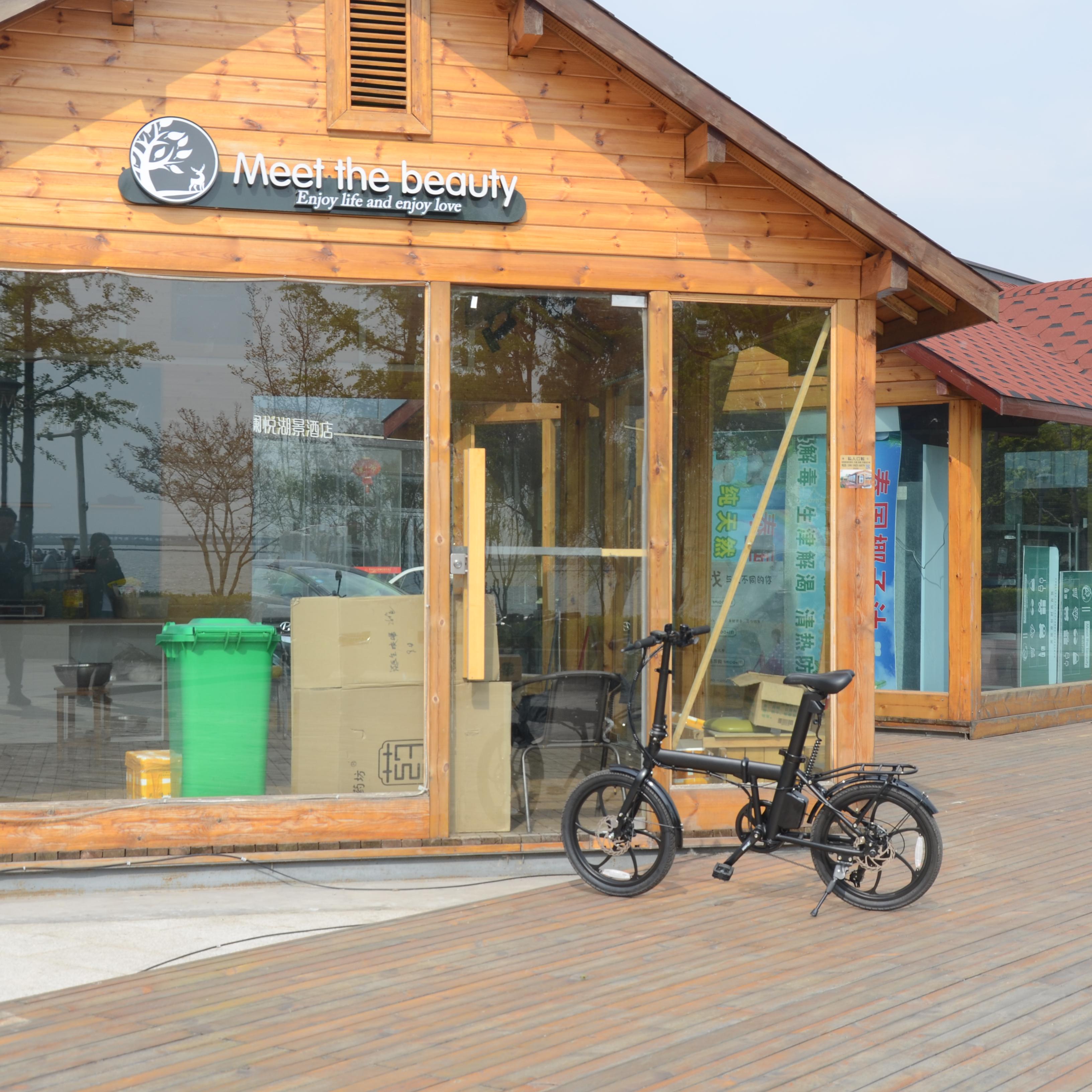
تُشهد وسائل النقل الحضرية تحولاً جذريًا مع معاناة المدن في جميع أنحاء العالم من الاختناقات المرورية والتلوث والحاجة الملحة إلى حلول تنقل مستدامة. ومن بين أبرز الابتكارات الواعدة التي تتصدى لهذه التحديات هي الدراجة الكهربائية للمدينة، وهي بديل متعدد الاستخدامات وصديق للبيئة، يُعيد تشكيل طريقة تنقل الأشخاص في المناطق الحضرية. وتجمع هذه الدراجات الكهربائية بين مزايا ركوب الدراجات التقليدية والتكنولوجيا الحديثة لتوفير خيار نقل فعّال ونظيف وعملي لكل من الركاب اليوميين والهواة على حد سواء.
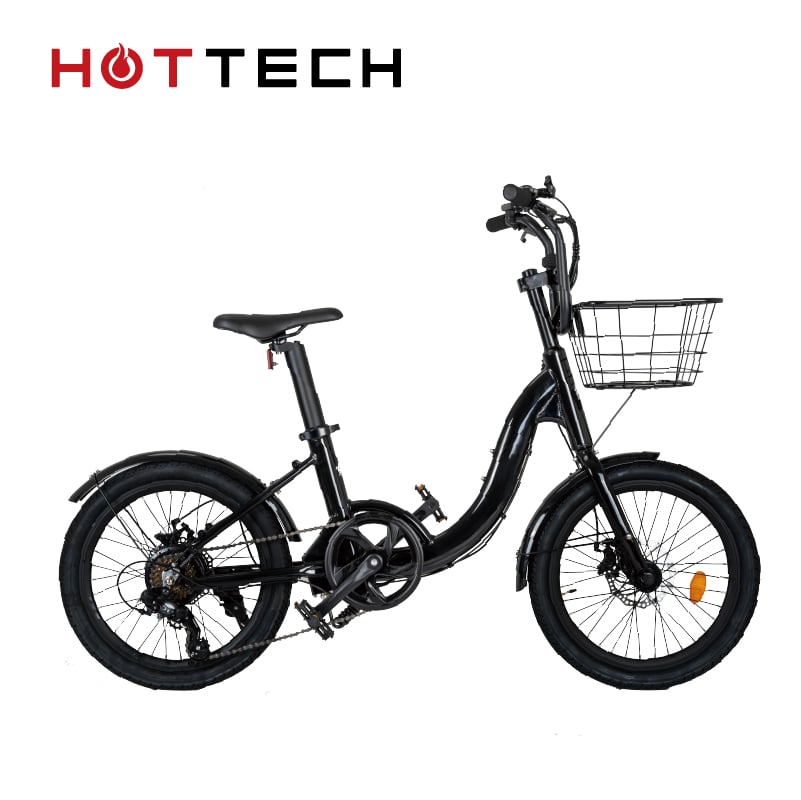
إن الزيادة في شعبية الدراجات الكهربائية في البيئات الحضرية تعكس تحولاً أوسع نحو خيارات النقل التي تراعي البيئة. ومع قيام البلديات باستثمار في بنية تحتية للدراجات وازدياد وعي المواطنين بآثارهم الكربونية، تبرز دراجة المدينة الكهربائية كحل جذاب يعالج تحديات متعددة في التنقل الحضري في آنٍ واحد. من تقليل انبعاثات الغازات الدفيئة إلى التخفيف من الاختناقات المرورية، تمثل هذه المركبات المبتكرة خطوة عملية نحو إقامة مدن أكثر قابلية للعيش واستدامة.
الفوائد البيئية للدراجات الكهربائية في المناطق الحضرية
وسيلة نقل خالية من الانبعاثات المباشرة
تُعد إحدى أهم مزايا اختيار دراجة كهربائية للمدينة مقارنة بالمركبات التقليدية هي القضاء على الانبعاثات الكربونية المباشرة أثناء التشغيل. وعلى عكس السيارات أو الدراجات النارية التي تعمل بالبنزين وتحرق الوقود الأحفوري وتطلق ملوثات في الجو، فإن الدراجات الكهربائية لا تنتج أي انبعاثات من العادم. وتجعل هذه السمة الدراجات الكهربائية قيمةً كبيرة خصوصًا في المناطق الحضرية المكتظة، حيث تكون مخاوف جودة الهواء بالغة الأهمية، وتقوم الحكومات المحلية بتطبيق لوائح بيئية أكثر صرامة.
تمتد الأثر البيئي لما بعد الرحلات الفردية لخلق فوائد تراكمية عبر المناطق الحضرية بأكملها. عندما يتحول عدد كبير من ركاب التنقل من السيارات إلى الدراجات الكهربائية، تشهد المدن تحسينات ملموسة في جودة الهواء، وانخفاضاً في تكون الضباب الدخاني، وتركيزات أقل للجسيمات الضارة. تُظهر الدراسات التي أُجريت في مدن أوروبية اعتمدت استخدام الدراجات الكهربائية انخفاضاً كبيراً في مستويات أكاسيد النيتروجين والجسيمات العالقة، بما يرتبط مباشرةً بزيادة معدلات استخدام الدراجات الكهربائية.
انخفاض البصمة الكربونية مقارنة بالمركبات التقليدية
البصمة الكربونية لدورة حياة دراجة المدينة الكهربائية منخفضة بشكل كبير مقارنة بالسيارات التقليدية، حتى عند احتساب إنتاج البطارية واستهلاك الكهرباء. تشير الأبحاث إلى أن الدراجات الكهربائية تُنتج حوالي 22 جرامًا من ثاني أكسيد الكربون المكافئ لكل كيلومتر تقطعه، مقابل 271 جرامًا للسيارات الركاب المتوسطة. ويصبح هذا الفرق الكبير أكثر وضوحًا عند النظر في رحلات المدينة النموذجية على مسافات قصيرة، حيث تتفوق الدراجات الكهربائية وتكون محركات السيارات أقل كفاءة.
تكشف اعتبارات التصنيع بشكل أكبر عن المزايا البيئية للدراجات الكهربائية. يتطلب إنتاج دراجة كهربائية للمدينة مواد خام أقل بكثير، وينتج نفايات صناعية أقل مقارنةً بتصنيع السيارات. إن أنظمة البطاريات الصغيرة المستخدمة في الدراجات الكهربائية تحتوي على جزء بسيط من الليثيوم والعناصر النادرة الموجودة في بطاريات السيارات الكهربائية، مما يقلل من الأثر البيئي المرتبط باستخراج ومعالجة هذه المواد.
المزایات الاقتصادیة للمسافرین الحضریین
تكاليف تشغيل أقل
تظهر الفوائد المالية لامتلاك دراجة كهربائية للمدينة عند مقارنة المصروفات التشغيلية بتكاليف امتلاك المركبات التقليدية. وعادةً ما تكلف شحن دراجة كهربائية أقل من دولار واحد لكل دورة شحن كاملة، مما يوفر مدى مساعداً يتراوح بين 40 و60 كيلومتراً حسب الطراز وظروف القيادة. وينتج عن ذلك تكاليف تشغيل تقدر بنحو 1 إلى 2 سنت لكل كيلومتر، وهي كسر بسيط من تكاليف الوقود المرتبطة بالمركبات التي تعمل بالبنزين أو حتى تذاكر وسائل النقل العام في العديد من المناطق الحضرية.
تُعد متطلبات الصيانة للدراجات الكهربائية ضئيلة مقارنة بالسيارات، مما يعزز جاذبيتها الاقتصادية بشكل أكبر. وتشمل الصيانة الدورية صيانة أساسية للدراجة مثل نفخ الإطارات، وضبط المكابح، وتشحيم السلسلة، إلى جانب العناية أحيانًا بالبطارية والتحقق من النظام الكهربائي. ويؤدي غياب محركات الاحتراق الداخلي المعقدة، وأنظمة التروس، والتغيرات الواسعة للسوائل إلى تقليل تكاليف الصيانة السنوية بشكل كبير لمالكي الدراجات الكهربائية في المدن.
انخفاض تكاليف البنية التحتية ووقوف السيارات
يمثل وقوف السيارات في المناطق الحضرية تحديًا مكلفًا بشكل متزايد لأصحاب السيارات، حيث تتجاوز رسوم وقوف السيارات الشهرية في المدن الكبرى في كثير من الأحيان مئات الدولارات. إن دراجة كهربائية للمدينة يُلغي هذه النفقات المتكررة من خلال الاستفادة من بنية وقوف الدراجات الحالية أو حلول التخزين المدمجة التي تتطلب مساحة ضئيلة. ويقوم العديد من أرباب العمل في البيئات الحضرية الآن بتوفير مرافق وقوف دراجات آمنة، مما يقلل أكثر من إجمالي تكلفة التنقل بالنسبة لمستخدمي الدراجات الكهربائية.
تمتد وفورات البنية التحتية إلى ما هو أبعد من المستخدمين الأفراد لتشمل المجتمعات الحضرية بأكملها. يمكن للمدن استيعاب عدد أكبر بكثير من الدراجات الهوائية في نفس المساحة المطلوبة لوقوف السيارات، مما يؤدي إلى استخدام أكثر كفاءة للأراضي ويقلل من الضغط الناتج عن بناء مواقف سيارات مكلفة. تتيح هذه الكفاءة للبلديات تخصيص الموارد نحو تحسينات أخرى في البنية التحتية تعود بالنفع على جميع السكان، مع دعم نمو شبكات النقل المستدامة.
فوائد الصحة والرفاهية
دمج النشاط البدني
على الرغم من وجود محرك مساعد، فإن قيادة دراجة كهربائية مدينة يوفر تمريناً بدنياً كبيراً يساهم في صحة القلب والأوعية الدموية واللياقة البدنية العامة. تشجع تقنية الدفع بالمساعدة على دواسات الركاب على الحفاظ على حركة نشطة للدواسات مع تقليل الجهد المرتبط بالتلال أو الرياح المعاكسة أو المسافات الطويلة. يجعل هذا الأسلوب المتوازن ركوب الدراجات في المتناول لدى الأفراد الذين قد يجدون أن الدراجات التقليدية تتطلب جهداً بدنياً كبيراً جداً للتنقل المنتظم.
تُظهر الأبحاث أن مستخدمي الدراجات الكهربائية عادةً ما يمارسون ركوب الدراجات بشكل أكثر تكرارًا ولفترات أطول مقارنةً براكبي الدراجات التقليدية. حيث يزيل الدعم الذي توفره المحركات الحواجز التي غالبًا ما تثني عن ركوب الدراجات بانتظام، مثل التعرق عند الوصول إلى مكان العمل أو الشعور بالإرهاق الشديد. ونتيجةً لذلك، فإن مستخدمي الدراجات الكهربائية في المدن يحققون عادةً وقتًا إجماليًا ومسافة أكبر في التمارين على مدى فترات أسبوعية وشهرية، مما يؤدي إلى نتائج أفضل في اللياقة البدنية والالتزام المحسن بالأنشطة البدنية المنتظمة.
الصحة النفسية وتقليل التوتر
تمتد الفوائد النفسية لركوب الدراجات في البيئات الحضرية لما هو أبعد من التمرين البدني، لتتضمن تقليل التوتر وتحسين الصحة العقلية. إذ يتيح التنقل باستخدام دراجة كهربائية حضرية للراكبين تفادي الإحباطات المرتبطة بازدحام المرور، وعملية البحث عن أماكن وقوف السيارات، ووسائل النقل العام المزدحمة. ويُسهم مزيج النشاط الخارجي والتعرض للهواء النقي والإحساس بالاستقلالية في خفض مستويات التوتر وتحسين المزاج على مدار اليوم.
يُبلغ العديد من مستخدمي الدراجات الكهربائية في المدن عن شعورهم بارتباط أقوى بمدينتهم ومجتمعهم من خلال ركوب الدراجات للتنقل. إذ يتيح لهم الإيقاع الأبطأ مقارنةً بالسفر بالسيارة فرصة أكبر لمراقبة الأحياء، والتفاعل مع راكبي الدراجات الآخرين والمشاة، واكتشاف طرق جديدة وشركات محلية. وغالبًا ما يؤدي هذا الوعي البيئي المتزايد والمشاركة المجتمعية إلى تحسين جودة الحياة وتعزيز الروابط الاجتماعية داخل المجتمعات الحضرية.
حلول عملية لتنقّل حضري
تجنب ازدحام المرور
تكاليف ازدحام حركة المرور في المدن تصل إلى مليارات الدولارات سنويًا بسبب فقدان الإنتاجية وزيادة استهلاك الوقود، فضلاً عن التسبب في إجهاد كبير للمسافرين. يمكن لمستخدمي الدراجات الكهربائية في المدينة تفادي جزء كبير من هذا الازدحام باستخدام ممرات الدراجات والطرق البديلة غير المتاحة للسيارات. خلال ساعات الذروة، غالبًا ما تكون أوقات السفر بالدراجة الكهربائية مماثلة أو تفوق سرعة السفر بالسيارة في المراكز الحضرية المزدحمة، مما يوفر بديلاً فعالاً من حيث الوقت للطرق التقليدية للنقل.
تتيح القدرة على الحفاظ على أوقات سفر ثابتة بغض النظر عن ظروف المرور، لمستخدمي الدراجات الكهربائية في المدن، توقع الجدول الزمني بشكل أكبر وتقليل القلق المرتبط بالتنقل. وعلى عكس مستخدمي السيارات الذين يجب أن يحسبوا تغير أنماط حركة المرور والتأخيرات المحتملة، يمكن لراكبي الدراجات الكهربائية تقدير أوقات السفر بشكل موثوق والتخطيط لجداولهم وفقاً لذلك. ويُثبت هذا التوقع أهمية خاصة للمهنيين في المناطق الحضرية الذين لديهم التزامات حساسة للوقت وجدول اجتماعات صارم.
خيارات المسارات المرنة وإمكانية الوصول
يُتيح الحجم الصغير وسهولة توجيه الدراجات الكهربائية العديد من إمكانيات المسارات التي تبقى غير متاحة للمركبات الأكبر حجمًا. يمكن لمستخدمي الدراجات الكهربائية في المدن الاستفادة من البنية التحتية المخصصة للدراجات، وطرق الحدائق، والمناطق المشاة، والمسارات المختصرة عبر المساحات الحضرية، والتي تقلل بشكل كبير من مسافات السفر والوقت المستغرق. تسمح هذه المرونة للراكبين بتخصيص مساراتهم بناءً على الظروف الجوية، أو قيود الوقت، أو التفضيلات الشخصية بالنسبة للطرق الجميلة أو الأكثر كفاءة.
تجعل المساعدة الكهربائية المناطق الحضرية التي كانت صعبة سابقًا في متناول مجموعة أوسع من الراكبين. أصبحت التلال والجسور والمسافات الطويلة، التي قد تثني البعض عن ركوب الدراجات التقليدية، قابلة للإدارة بفضل الدعم المحرك، مما يوسع النطاق العملي ويزيد من جدوى وسائل النقل بالدراجات. ويساعد هذا التيسير المتزايد المدن على تحقيق اعتماد أوسع لخيارات النقل المستدام بين شرائح متنوعة من السكان ذوي مستويات اللياقة المختلفة والقدرات الجسدية المتفاوتة.
تكامل التكنولوجيا والأنظمة الذكية للمدن
الاتصال والتكامل الرقمي
تدمج طرز الدراجات الكهربائية الحديثة في المدن بشكل متزايد ميزات تكنولوجية ذكية تعزز من تجربة التنقل الحضري. وتوفر أنظمة الملاحة عبر الأقمار الصناعية (GPS)، والاتصال بالهواتف الذكية، والتطبيقات المدمجة للركاب اقتراحات لتحسين الطرق في الوقت الفعلي، وتجنب الازدحام، وتتبع أداء الدراجة. وتساعد هذه التحسينات التكنولوجية المستخدمين على تحقيق أقصى قدر من الكفاءة والاستمتاع برحلاتهم اليومية بالدراجات الكهربائية، مع المساهمة في الوقت نفسه ببيانات تدعم مبادرات التخطيط الشاملة للنقل الحضري.
يتيح دمج الدراجات الكهربائية في نظم المدن الذكية فرصًا لتحسين إدارة حركة المرور الحضرية وتخطيط البنية التحتية. وتساعد بيانات الاستخدام المجهولة التي تُجمع من أنظمة الدراجات الكهربائية مخططي النقل على فهم أنماط ركوب الدراجات، وتحديد احتياجات البنية التحتية، وتحسين توقيت إشارات المرور لتلبية حركة الدراجات بشكل أفضل. ويدعم هذا النهج القائم على البيانات قرارات قائمة على الأدلة بشأن استثمارات البنية التحتية للدراجات والسياسات التطويرية التي تعود بالنفع على جميع مستخدمي وسائل النقل الحضرية.
تكنولوجيا البطاريات وبنية الشحن
تواصل التطورات في تقنية البطاريات تحسين أداء وراحة أنظمة الدراجات الكهربائية الحضرية. حيث توفر بطاريات الليثيوم أيون الحديثة مدىً أطول، وأوقات شحن أسرع، وعمرًا افتراضيًا أطول مقارنةً بالطرز السابقة من الدراجات الكهربائية. وتوفر العديد من الدراجات الكهربائية الحديثة حزم بطاريات قابلة للإزالة يمكن شحنها داخليًا في المنازل أو أماكن العمل، مما يقضي على قلق النطاق ويوسع من سهولة الشحن بالنسبة للمستخدمين في البيئة الحضرية.
تستثمر المدن في جميع أنحاء العالم في بنية تحتية للشحن العام لدعم اعتماد الدراجات الكهربائية ومعالجة مخاوف النطاق بالنسبة للرحلات الطويلة أو الرحلات الترفيهية. توفر محطات الشحن العامة، التي تعمل غالبًا بالطاقة الشمسية، فرص شحن إضافية مريحة خلال ساعات العمل أو التنقلات الحضرية الممتدة. يعزز هذا التوسع في شبكة البنية التحتية من جدوى امتلاك دراجة كهربائية ويدعم اعتماد المجتمعات بشكل أوسع لبدائل النقل المستدامة.
النظرة المستقبلية وتكامل التخطيط الحضري
الدعم السياسي والحوافز الحكومية
تعترف حكومات البلديات بشكل متزايد بدور اعتماد الدراجات الكهربائية في المدن لتحقيق الأهداف البيئية وتقليل التحديات المرتبطة بنقل الركاب داخل المدن. وتوفر العديد من المدن الآن حوافز شراء، أو ائتمانات ضريبية، أو برامج استرداد لتشجيع السكان والمسافرين على استخدام الدراجات الكهربائية. وتجسد هذه الحوافز المالية، إلى جانب الاستثمارات في البنية التحتية للدراجات الهوائية، التزام الحكومات بدعم الانتقال نحو وسائل النقل المستدامة وتقليل البصمة الكربونية للمجالس المحلية.
تُدرج السياسات التقدمية في التخطيط الحضري بشكل متزايد اعتبارات الدراجات الكهربائية في خطط النقل الشاملة ومشاريع تطوير البنية التحتية. وتُسهم ممرات الدراجات الكهربائية المخصصة، ومرافق وقوف السيارات الآمنة، والتكامل مع أنظمة النقل العام، في إنشاء شبكات نقل شاملة تدعم التنقل الحضري المتعدد الوسائط. ويساعد هذا النهج المنسق في تحقيق أقصى استفادة من اعتماد الدراجات الكهربائية في المدن، إلى جانب خلق بيئات حضرية أكثر قابلية للعيش واستدامة لجميع السكان.
توسيع الأثر والفوائد المجتمعية
تمتد الآثار التراكمية لاعتماد الدراجات الكهربائية في المدن على نطاق واسع لما هو أبعد من الفوائد الفردية للمستخدمين، وتحقق تحسينات شاملة في قابلية العيش الحضري على مستوى المجتمع. فالتقليل من كثافة حركة المرور، وتحسين جودة الهواء، والحد من التلوث الضوضائي تسهم جميعها في بيئة حضرية أكثر راحة، يستفيد منها جميع السكان بغض النظر عن خياراتهم الشخصية في التنقل. وغالبًا ما تؤدي هذه التحسينات إلى ارتفاع قيم العقارات، وتعزيز النشاط الاقتصادي، وزيادة مشاركة المجتمع المحلي في الأحياء المتأثرة.
مع تطور تقنية الدراجات الكهربائية واستمرار انخفاض التكاليف، يصبح الاعتماد الواسع عليها أكثر إمكانية عبر شرائح اجتماعية واقتصادية متنوعة من السكان الحضريين. ويساعد هذا التعميم لتكنولوجيا النقل النظيف في ضمان وصول فوائد حلول التنقّل المستدامة إلى المجتمعات بأكملها، بدل أن تظل مقتصرة على المُعتمدين المبكرين أو الفئات ذات الدخل المرتفع. وتدعم التحسينات الناتجة في العدالة في مجال النقل أنماط تنمية حضرية أكثر شمولاً واستدامة.
الأسئلة الشائعة
ما هو المدى النموذجي للدراجة الكهربائية للمدينة بشحنة واحدة؟
توفر معظم طرازات الدراجات الكهربائية الحضرية مدى يتراوح بين 40 و80 كيلومترًا بشحنة واحدة، ويعتمد ذلك على عوامل مثل سعة البطارية، والتضاريس، ووزن الراكب، ومستوى استخدام المساعدة، وظروف الطقس. يمكن للطرازات الأعلى مستوى مع بطاريات أكبر تحقيق مدى يتجاوز 100 كيلومتر في ظل الظروف المثالية. ويختلف المدى الفعلي بشكل كبير حسب كمية الدعم بالدواسة المستخدم، حيث تُطيل الإعدادات الأكثر تواضعًا في الدعم المسافة المتاحة بشكل كبير.
كم يستغرق شحن بطارية دراجة كهربائية حضرية؟
تتراوح أوقات الشحن لبطاريات الدراجات الكهربائية الحضرية عادةً بين 3 و6 ساعات للشحن الكامل من فارغ، ويعتمد ذلك على سعة البطارية ومواصفات الشاحن. تدعم العديد من الدراجات الكهربائية الحديثة إمكانية الشحن السريع التي يمكن أن توفر 80٪ من الشحن في غضون 2-3 ساعات، وهي غالبًا ما تكون كافية لاحتياجات التنقل اليومية. ويجدها معظم المستخدمين مناسبة عند الشحن طوال الليل، مما يضمن بطارية مشحونة بالكامل لنشاطات اليوم التالي.
هل تصلح الدراجات الكهربائية الحضرية لجميع الظروف الجوية؟
تم تصميم نماذج الدراجات الكهربائية الحضرية ذات الجودة العالية للتعامل مع مختلف الظروف الجوية التي قد تُصادف في البيئات الحضرية، بما في ذلك الأمطار الخفيفة ودرجات الحرارة المعتدلة. وتتميز معظم الدراجات الكهربائية بمكونات كهربائية مقاومة للعوامل الجوية، ويمكنها العمل بأمان في حالات الهطول الخفيف. ومع ذلك، ينبغي على الركاب اتخاذ الحيطة في الظروف الجوية القاسية، والنظر في استخدام معدات وملابس السلامة المناسبة لركوب دراجات مريحة على مدار السنة ضمن منطقتهم المناخية الخاصة.
ما الصيانة المطلوبة للدراجات الكهربائية الحضرية؟
تشمل صيانة الدراجات الكهربائية الحضرية الصيانة القياسية للدراجات، مثل فحص ضغط الإطارات بانتظام وتعديل المكابح وتزييت السلسلة وضبط التروس، بالإضافة إلى عناية إضافية بالمكونات الكهربائية وبattery. يُوصى بالصيانة الاحترافية السنوية لضمان الأداء الأمثل للأنظمة الميكانيكية والإلكترونية معًا. تكون معظم مهام الصيانة مباشرة ويمكن تنفيذها من قِبل المستخدمين ذوي المهارات الميكانيكية الأساسية، في حين ينبغي ترك المشكلات الكهربائية المعقدة للتقنيين المؤهلين.