
 EN
EN
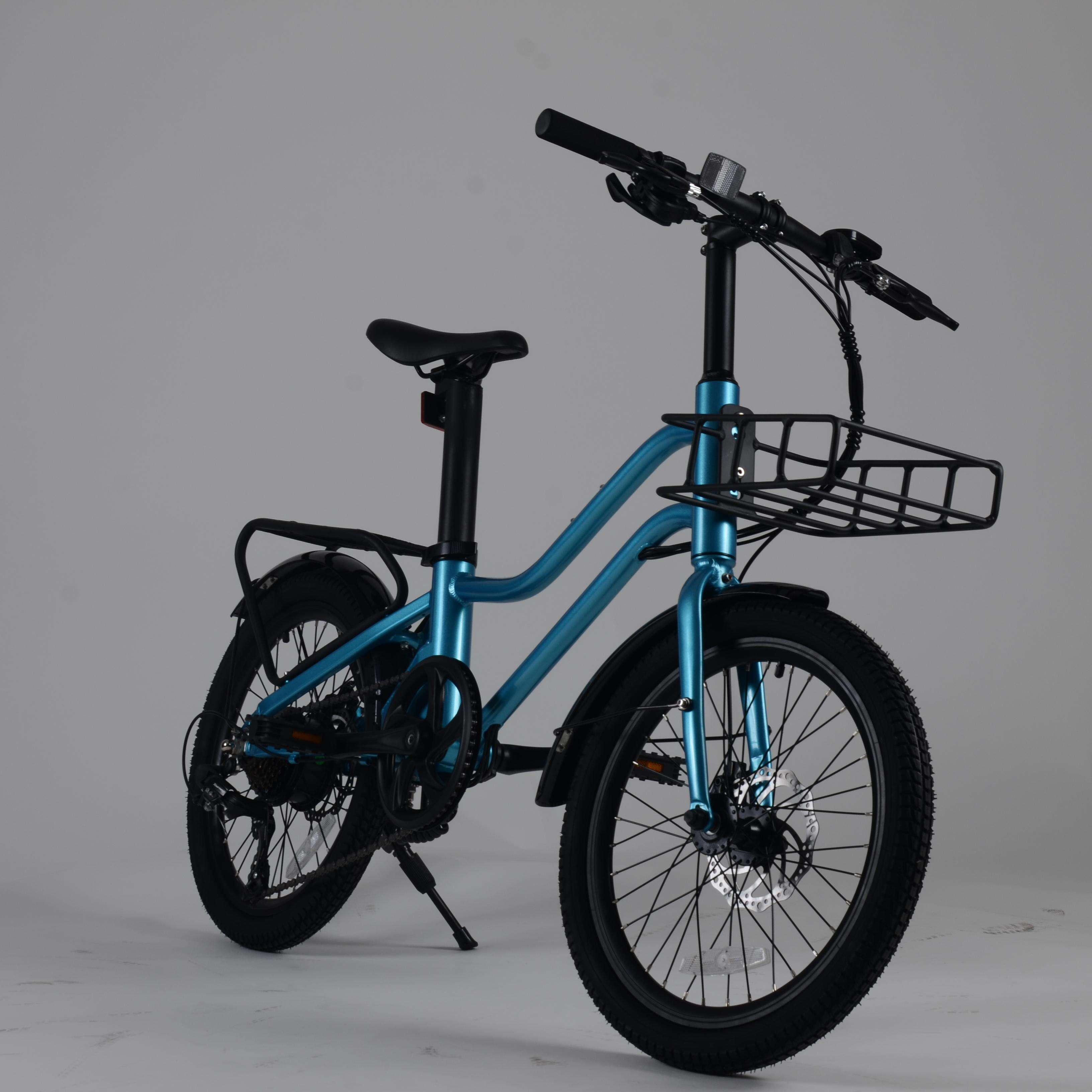
تواجه وسائل النقل الحضرية الحديثة تحديات متزايدة مع ازدحام المدن بشكل أكبر وبروز القضايا البيئية كأولوية قصوى. وتظهر دراجة المدينة الكهربائية كحل مبتكر يحوّل تجارب التنقّل اليومية مع التصدّي لأهداف الاستدامة. تجمع هذه الدراجات ثنائية العجلات المتطورة بين آليات ركوب الدراجات التقليدية وأنظمة الدفع الكهربائية، مما يوفر للمسافرين خيارًا فعالًا بديلًا عن السيارات ووسائط النقل العام. ويُسهل دمج المساعدة الكهربائية من الوصول إلى التنقّل داخل المدينة أمام راكبي مستويات لياقة وأعمار مختلفة، ما يزيل العديد من العوائق المرتبطة برحلات ركوب الدراجات التقليدية في البيئات الحضرية.
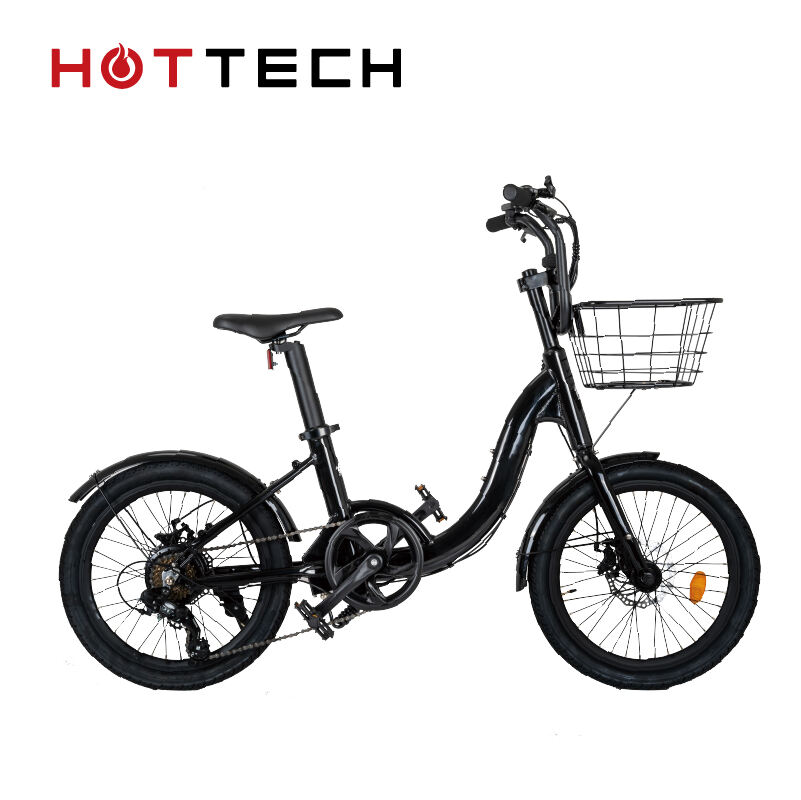
فهم تقنية الدراجة الكهربائية للتنقّل الحضري
المكونات الأساسية للدراجات الكهربائية الحديثة
تتمثل أساسيات أي دراجة كهربائية للمدينة في نظامها الكهربائي المتطور الذي يتكامل بسلاسة مع الميكانيكا التقليدية للدراجات. ويتمحور لب هذه التكنولوجيا حول حزمة بطاريات ليثيوم أيون قابلة لإعادة الشحن، وغالبًا ما تكون مثبتة على الإطار أو مدمجة ضمن التصميم لتحقيق توزيع مثالي للوزن. وتشغل هذه البطارية محركًا كهربائيًا هادئًا يوفر دعمًا عند الدواسة، مما يضاعف الجهد البشري دون استبداله تمامًا. وتتميز النماذج المتقدمة بأنظمة فرامل استرجاعية تقوم باستخلاص الطاقة أثناء التباطؤ، ما يُطيل عمر البطارية ويحسّن الكفاءة العامة.
تقدم أنظمة التحكم في الدراجات الكهربائية الحديثة مستويات مساعدة متعددة، تتيح للمستخدمين تخصيص تجربتهم وفقًا للتضاريس وشدة التمرين المطلوبة واحتياجات الحفاظ على البطارية. تقوم هذه الأنظمة الذكية برصد تردد الدواسات، وعزم الدوران، والسرعة لتوفير دعم قوي سلس وطبيعي الإحساس. كما يُمكّن دمج شاشات العرض الضوئية الثنائية (LED) من الحصول على معلومات فورية حول حالة البطارية والسرعة والمسافة المقطوعة ومستوى المساعدة، مما يسمح باتخاذ قرارات مدروسة أثناء التنقّل.
تقنيات البطاريات واعتبارات المدى
تستخدم طرازات الدراجات الكهربائية الحضرية الحديثة تقنية بطاريات ليثيوم أيون متقدمة توازن بين الوزن والسعة وطول العمر الافتراضي. وعادةً ما توفر هذه البطاريات نطاقات تتراوح بين 20 إلى 60 ميلًا بشحنة واحدة، حسب عوامل مثل وزن الراكب والتضاريس ومستوى المساعدة والظروف الجوية. وتتيح إمكانية الشحن السريع شحن معظم البطاريات حتى 80% من سعتها خلال ساعتين إلى أربع ساعات، مما يجعلها عملية لجداول التنقل اليومية.
تدمج أنظمة إدارة البطاريات خوارزميات متطورة تُحسّن دورات الشحن وتمنع الشحن الزائد، مما يطيل العمر الافتراضي الإجمالي للبطارية. كما تسمح التصاميم القابلة للفك بسهولة شحن البطاريات في المنزل أو المكتب، مما يزيل قلق النطاق ويمنح مرونة في الرحلات الطويلة. وتحمي أنظمة إدارة درجة الحرارة البطاريات من الظروف الجوية القاسية، مما يضمن أداءً ثابتًا عبر الفصول المختلفة والمناخات المتغيرة.
مزايا السرعة والكفاءة في البيئات الحضرية
الملاحة المرورية وتحسين المسارات
يوفر التنقل بالدراجة الكهربائية في المدينة مزايا سرعة كبيرة مقارنةً بوسائل النقل التقليدية، لا سيما خلال ساعات الذروة المرورية. إذ يمكن للدراجات الكهربائية استخدام مسارات الدراجات، والممرات المشتركة، والطرق البديلة التي لا يمكن للسيارات الوصول إليها، مما يتيح تجاوز الطرق المزدحمة بكفاءة. وتتيح هذه المرونة أوقات سفر ثابتة بغض النظر عن حالة المرور، مما يوفر جداول تنقل منتظمة تدعم الالتزامات المهنية والشخصية.
القدرة على الحفاظ على سرعات متوسطة أعلى مقارنة بالدراجات التقليدية تجعل الرحلات الطويلة أكثر إمكانية وأقل إجهادًا بدنيًا. حيث تتيح الميزة الكهربائية للراكبين التغلب على التلال ورياح معاكسة والأراضي الوعرة دون إرهاق شديد، ما يوسع النطاق العملي لاستخدام الدراجة في التنقل. وتشير الدراسات إلى أن مستخدمي الدراجات الكهربائية غالبًا ما يحققون أوقات سفر من الباب إلى الباب مماثلة أو أسرع من السفر بالسيارة في المناطق الحضرية المزدحمة، خاصة عند أخذ وقت الوقوف والمسافات التي يجب قطعها مشيًا في الاعتبار.
التكامل مع تطبيقات الهواتف الذكية وأنظمة الملاحة عبر الأقمار الصناعية يُحسّن تخطيط المسار دراجة كهربائية للمدينة للمسافرين، ويحدد الطرق المناسبة للدراجات ويجنبهم المناطق ذات الكثافة المرورية العالية. وتساعد بيانات المرور الفعلية واقتراحات المسارات التي يولدها المجتمع الراكبين في اكتشاف بدائل فعالة والتكيف مع الظروف الحضرية المتغيرة.
إدارة الوقت والمواعيد بشكل موثوق
تُلغي الاتساقية التي يوفرها التنقل بواسطة الدراجة الكهربائية العديد من العوامل المتغيرة التي تؤثر على طرق النقل التقليدية. وعلى عكس وسائل النقل العامة التي تتعرض للتأخير أو الأعطال الميكانيكية أو التغييرات في الجداول الزمنية، توفر الدراجة الكهربائية في المدينة تحكمًا كاملاً بأوقات الانطلاق وخيارات المسار. ويتيح هذا الاستقلال إدارة دقيقة للوقت ويقلل من التوتر المرتبط بتجارب التنقل غير المتوقعة.
تمتد ميزات مقاومة الطقس في الدراجات الكهربائية عالية الجودة لتشمل عددًا أكبر من أيام التنقل المستخدمة على مدار العام. وتضمن أنظمة الإضاءة المدمجة والواقيات الجانبية والمكونات المقاومة للطقس تشغيلًا آمنًا في مختلف الظروف. كما تتيح القدرة على تعديل مستويات الدعم الحفاظ على أوقات سفر ثابتة حتى في مواجهة الرياح القوية أو هطول الأمطار.
الراحة والفوائد العملية للاستخدام اليومي
حلول وقوف وتخزين المركبات
تُعد إحدى أهم مزايا الراحة التي يوفرها امتلاك دراجة كهربائية في المدينة هي التخلص من تحديات وقوف السيارات الشائعة في البيئات الحضرية. فالدراجات الكهربائية لا تحتاج سوى إلى مساحة صغيرة ويمكن تأمينها في أماكن وقوف الدراجات المخصصة، أو غرف تخزين المباني، أو حتى داخل المساحات المكتبية عند السماح بذلك. ويقلل هذا الإمكانية على الوصول من ضغوط التنقّل، كما يستبعد رسوم وقوف السيارات التي قد تتراكم لتصبح نفقات شهرية كبيرة بالنسبة لمالكي السيارات.
توفر تصاميم الدراجات الكهربائية القابلة للطي راحة إضافية للمسافرين الذين يعانون من نقص في مساحات التخزين، أو أولئك الذين يحتاجون إلى الجمع بين ركوب الدراجة ووسائل النقل الأخرى. إذ يمكن حفظ هذه النماذج المدمجة تحت الطاولات، أو في الشقق الصغيرة، أو نقلها عبر وسائل النقل العام خلال أجزاء من الرحلات المتعددة الوسائط. وتتيح آليات الطي السريع انتقالًا سلسًا بين مراحل النقل المختلفة.
تشمل ميزات الأمان المدمجة في تصميمات الدراجات الكهربائية الحديثة للCities أنظمة قفل متقدمة، وقدرات تتبع عبر نظام تحديد المواقع (GPS)، وصفارات إنذار تثني عن السرقة. توفر هذه التقنيات راحة البال عند ترك الدراجات دون رقابة خلال ساعات العمل أو الأنشطة الاجتماعية. كما تقدم خيارات التأمين المصممة خصيصًا للدراجات الكهربائية حماية إضافية ضد السرقة والأضرار.
متطلبات صيانة منخفضة
تتطلب الدراجات الكهربائية صيانة أقل بكثير مقارنة بالمركبات ذات المحركات، مع تقديمها موثوقية أكبر من الدراجات التقليدية في الظروف الحضرية الصعبة. يقلل الدفع الكهربائي من استهلاك المكونات الميكانيكية من خلال توفير توصيل طاقة ثابت وتقليل الضغط على السلاسل والترس والف brakes. كما تمدد أنظمة الفرامل الاسترجاعية عمر بطانات الفرامل، في حين تلغي أنظمة الدفع بالحزام الحاجة إلى صيانة السلسلة تمامًا.
تشمل مهام الصيانة الروتينية للدراجة الكهربائية الحضرية عادةً العناية بالبطارية ومراقبة ضغط الإطارات وضبط الدراجة بشكل دوري لدى فني متخصص. ويُبسط غياب الأنظمة المعقدة مثل محركات الاحتراق، وأنظمة الوقود، ومكونات التحكم في الانبعاثات من متطلبات الصيانة، مما يقلل من تكاليف الملكية على المدى الطويل. صُممت العديد من مكونات الدراجات الكهربائية لتكون قابلة للصيانة من قبل المستخدم، ما يمكنه من إجراء مهام الصيانة الأساسية في المنزل.
اعتبارات تأثير الصحة والبيئة
اللياقة البدنية والتنقل النشط
يشجع استخدام الدراجة الكهربائية الحضرية في التنقل على وسائل النقل النشطة مع مراعاة مستويات لياقة بدنية مختلفة وقدرات جسدية متفاوتة. وتتيح مستويات المساعدة القابلة للتعديل تحسين اللياقة تدريجيًا، حيث يمكن للمستخدمين زيادة الجهد البدني مع مرور الوقت مع الحفاظ على جداول تنقّل منتظمة. وتجعل هذه المرونة الدراجات الكهربائية في متناول الأفراد الذين قد يجدون ركوب الدراجات التقليدية مجهدًا جسديًا أكثر من اللازم بالنسبة لمسافات التنقل اليومية.
تشير الأبحاث إلى أن مستخدمي الدراجات الكهربائية يحققون فوائد قلبية وعائية كبيرة بالرغم من وجود مساعدة محرك، حيث يميلون إلى قطع مسافات أطول وبشكل أكثر تكرارًا مقارنةً بمستخدمي الدراجات التقليدية. ويُشجّع هذا الانخفاض في العائق البدني على النشاط اليومي المنتظم الذي يساهم في تحسين الصحة العامة. كما توفر طبيعة التنقل بالدراجة في الهواء الطلق فوائد نفسية من خلال التعرض للضوء الطبيعي والهواء النقي.
الاستدامة والفوائد البيئية
يمثل الأثر البيئي لوسيلة النقل الحضرية باستخدام الدراجات الكهربائية تحسنًا كبيرًا مقارنةً بالتنقل باستخدام السيارات، خاصة عند النظر في انبعاثات الكربون طوال دورة الاستخدام. تستهلك الدراجات الكهربائية حوالي 1% من الطاقة المطلوبة لتشغيل السيارة الكهربائية لكل ميل يتم قطعه، مع عدم إنتاج أي انبعاثات مباشرة أثناء التشغيل. وعند شحنها بمصادر طاقة متجددة، يقترب الأثر البيئي من الحياد الكربوني لتلبية احتياجات النقل اليومية.
تظل البصمة التصنيعية للدراجات الكهربائية أصغر بكثير مقارنة بالسيارات، حيث تتطلب مواد خام أقل وعمليات إنتاج أقل استهلاكًا للطاقة. ويُطيل عمر أنظمة الدراجات الكهربائية الحضرية المُحافظ عليها جيدًا فترة استهلاك الآثار التصنيعية، مع توفير خدمة نقل نظيف لسنوات. كما تضمن برامج إعادة تدوير البطاريات التخلص المسؤول من مكونات البطارية في نهاية عمرها الافتراضي.
الفعالية من حيث التكلفة والمزايا الاقتصادية
الاستثمار الأولي والادخار على المدى الطويل
رغم أن السعر الأولي لشراء دراجة كهربائية حضرية جيدة يتطلب استثمارًا كبيرًا مقدمًا، إلا أن الفوائد الاقتصادية طويلة الأجل تظهر بوضوح من خلال تقليل تكاليف النقل بمرور الوقت. إذ يؤدي القضاء على نفقات الوقود وأتعاب stationing والتأمين ومصاريف الصيانة المرتبطة بملكية السيارات إلى توفير شهري كبير، مما يُسدد تكلفة الشراء الأولية خلال سنة إلى ثلاث سنوات من الاستخدام المنتظم للتنقل.
تُشكل تكاليف التشغيل للتنقل بالدراجة الكهربائية بشكل أساسي من تكلفة الكهرباء المستخدمة في الشحن والمصاريف الدورية للصيانة. تتراوح تكلفة التشغيل لكل ميل بالنسبة للدراجة الكهربائية عادةً بين سنتين وخمسة سنتات، مقارنة بـ 25 إلى 50 سنتًا لكل ميل لتشغيل السيارات عند احتساب جميع تكاليف الملكية. تتراكم هذه التوفيرات بشكل كبير بالنسبة للمستخدمين اليوميين الذين يقطعون مسافات سنوية كبيرة.
خيارات التأمين والتمويل
تقدم العديد من المناطق منتجات تأمين متخصصة مصممة خصيصًا لأصحاب الدراجات الكهربائية الحضرية، وتُوفر تغطية ضد السرقة والأضرار والمسؤولية القانونية بأسعار أقل بكثير من تأمين السيارات. تشمل بعض الوثائق برامج المساعدة على الطريق واستبدال الدراجة لضمان استمرارية القدرة على التنقل. ويؤدي انخفاض مستوى المخاطر المرتبطة باستخدام الدراجة مقارنة بالسيارة إلى تقليل أقساط التأمين.
تجعل برامج التمويل وخطط شراء الدراجات التي يرعاها أصحاب العمل اقتناء الدراجات الكهربائية أكثر سهولة من خلال دفعات شهرية يمكن إدارتها. كما تُقلل الحوافز الضريبية وبرامج الاسترداد في العديد من الولايات القضائية السعر الفعلي للشراء، وتشجع في الوقت نفسه على تبني وسائل النقل المستدامة. وتتضمن برامج المزايا التي يقدمها أصحاب العمل بشكل متزايد تسهيلات لمواصلات العاملين بالدراجات وأماكن وقوف آمنة.
التكامل مع البنية التحتية للمدن الذكية
التقنية المتصلة والميزات الذكية
تدمج أنظمة الدراجات الكهربائية الحديثة للمدن ميزات تواصل متطورة تتكامل مع البنية التحتية الذكية في المدن ومع نظم التكنولوجيا الشخصية. وتتيح تقنيات الاتصال عبر بلوتوث والشبكات الخلوية التكامل مع تطبيقات الهواتف الذكية التي تتبع أنماط الركوب، وتحسّن المسارات، وتوفر تنبيهات الصيانة. وتُحسّن هذه الميزات المتصلة تجربة التنقل بشكل عام، فضلاً عن توفير بيانات قيمة لمبادرات التخطيط الحضري.
تشمل التكامل مع بنية المدن الذكية التوافق مع أنظمة الطرق الإلكترونية، وتقديم أولوية إشارات المرور لمسارات الدراجات، ومشاركة معلومات المرور والطقس في الوقت الفعلي. تشارك بعض الأنظمة المتقدمة في شبكات اتصالات من المركبة إلى البنية التحتية التي تحسن السلامة وتحسين تدفق حركة المرور. تسهم البيانات التي تولدها الدراجات الكهربائية المتصلة في أبحاث التنقّل الحضري ومبادرات تحسين البنية التحتية.
اتجاهات مستقبلية لتنقّل المدن
يتماشى التبني المتزايد للدراجات الكهربائية في المدن مع الاتجاهات الأوسع في التنقل الحضري نحو شبكات النقل متعددة الوسائط والحد من الاعتماد على السيارات. ودمج هذه الدراجات مع برامج مشاركة الدراجات، وأنظمة النقل العام، وخيارات التنقّل الصغيرة يُشكّل نُظُمَ نقل شاملة تلبّي احتياجات التنقّل الحضري المتنوعة. وتوفّر هذه الأنظمة المتكاملة انتقالات سلسة بين وسائل النقل المختلفة وفقًا لمتطلبات الرحلة والتفضيلات الشخصية.
تُعطي مبادرات التخطيط الحضري أولوية متزايدة لتطوير بنية تحتية للدراجات الهوائية، من خلال إنشاء ممرات دراجات محمية، ومرافق وقوف آمنة، ومحطات شحن تدعم تبني الدراجات الكهربائية. ويعكس الاستثمار في البنية التحتية الصديقة للدراجات الإدراك المتزايد لدور الدراجات الكهربائية الحضرية في معالجة تحديات الازدحام الحضري، وجودة الهواء، والصحة العامة.
الأسئلة الشائعة
ما المسافة التي يمكنني قطعها بشحنة واحدة على دراجة كهربائية حضرية
تتراوح مدى الدراجة الكهربائية للمدينة عادةً بين 20 إلى 60 ميلًا لكل شحنة، ويعتمد ذلك على عدة عوامل تشمل سعة البطارية وكفاءة المحرك ووزن الراكب وظروف التضاريس ومستوى المساعدة المستخدم وظروف الطقس. يجد معظم ركاب التنقل أن دراجة كهربائية حضرية جيدة النوعية يمكنها بسهولة التعامل مع رحلات الذهاب والإياب اليومية التي تتراوح بين 10 و30 ميلًا مع الحفاظ على احتياطي للبطارية. بالنسبة للمسافات الأطول، يمكن استبدال البطاريات القابلة للإزالة أو شحنها في مواقع الوجهة.
ما الصيانة المطلوبة للدراجة الكهربائية الحضرية مقارنة بالدراجة العادية
تتطلب الدراجة الكهربائية الحضرية صيانةً أساسية مشابهة للدراجة العادية، بما في ذلك نفخ الإطارات وضبط الفرامل وتزييت السلسلة، بالإضافة إلى عناية إضافية بالمكونات الكهربائية. وتشمل صيانة البطارية دورات شحن منتظمة وظروف تخزين مناسبة، في حين أن أنظمة المحرك تحتاج عادةً إلى تدخل بسيط جداً. يُوصى بالصيانة الاحترافية مرة واحدة سنوياً لضمان الأداء الأمثل لكل من المكونات الميكانيكية والكهربائية، على الرغم من أن الأنظمة الكهربائية غالباً ما تقلل من تآكل أجزاء الدراجة التقليدية من خلال توفير طاقة ثابتة.
هل يمكنني قيادة دراجة كهربائية حضرية تحت المطر وفي ظروف الطقس السيء
تُصمم معظم طرازات الدراجات الكهربائية الحضرية عالية الجودة بمكونات مقاومة للعوامل الجوية، مما يسمح بالتشغيل الآمن في ظروف المطر الخفيف إلى المتوسط. وعادةً ما تكون الأنظمة الكهربائية مزودة بتصنيفات ضد الماء تحميها من دخول الرطوبة أثناء الظروف العادية للقيادة. ومع ذلك، تتطلب الظروف الجوية القاسية مثل العواصف الشديدة أو الفيضانات أو الظروف الجليدية نفس اشتراطات السلامة المطبقة على أي دراجة عادية. ويصبح الصيانة السليمة لنظام الفرامل وحالة الإطارات مهمة بشكل خاص عند القيادة في الأجواء الممطرة.
كيف تقارن تكلفة التنقل باستخدام دراجة كهربائية حضرية مع خيارات النقل الأخرى
تكاليف امتلاك دراجة كهربائية للمدينة أقل بكثير مقارنة بالتنقل باستخدام السيارات، عند أخذ سعر الشراء والوقود والتأمين وتكاليف الصيانة والركن في الاعتبار على المدى الطويل. وتتراوح تكاليف التشغيل عادةً بين 2 إلى 5 سنتات لكل ميل، مقارنة بـ 25 إلى 50 سنتاً لكل ميل بالنسبة للسيارات. وعلى الرغم من أن الاستثمار الأولي أعلى من الدراجة التقليدية، فإن القدرة على التنقل لمسافات أطول براحة أكبر غالباً ما تغني عن الحاجة لوسائل نقل أخرى، مما يوفر وفورات كبيرة على المدى الطويل للمسافرين المنتظمين.